
Most gardens fade into irrelevance once autumn ends.
Bare stems, brown patches, and muddy borders dominate the view from your kitchen window for four months. Here at The Southwest London Gardener, we think your garden doesn’t need to hibernate just because the weather’s turned cold, and we’ve created this article to tell you more.
Let’s take a look.
Why Winter Garden Design Matters
You’ll spend more time looking at your garden in winter than working in it. Those views from indoors matter when grey days stretch on. A garden designed for winter interest transforms bleak months into something worth observing. Structure, texture, and strategic plant choices create scenes that hold your attention even when growth has stopped.
Winter design isn’t about cramming in winter-flowering plants. It’s about understanding how light, form, and colour work differently in cold months. Low winter sun creates long shadows that highlight the structure. Frost transforms ordinary seed heads into architectural features. Rain makes bark colours more intense.
The benefits extend beyond aesthetics. Gardens with winter interest encourage you to be outside during months when you might otherwise avoid the space entirely. Brief visits to check on overwintering wildlife or observe frost patterns maintain your connection to the garden through dormant months.
Structure: The Foundation of Winter Gardens
Evergreen Plants Create the Backbone
Deciduous plants disappear in winter, leaving gaps that feel chaotic without structural anchors. Evergreens provide continuity when everything else retreats. They don’t need to dominate; strategic placement creates impact without overwhelming the space.
Box and yew offer formal structure through clipped shapes. Use them to define borders or create focal points that remain visible year-round. Holly provides a similar structure with the bonus of winter berries. Choose varieties suited to your space, such as compact forms for small gardens, larger specimens where room allows.
Ivy often gets dismissed as problematic, but it provides valuable winter cover on fences and walls. It flowers late in autumn when little else does, then produces berries through winter. The evergreen foliage looks respectable year-round whilst supporting overwintering insects.
Architectural Plants With Winter Presence
Some deciduous plants earn their place through strong winter structure. Dogwoods stripped of leaves reveal coloured stems of deep burgundy, bright coral, or lime green, depending on variety. Cut them back hard in late winter to maintain compact size and encourage vibrant stem colour for next year. Group them for impact rather than dotting single specimens around.
Hydrangeas hold their flower heads through winter if you resist autumn tidying urges. Dried blooms catch frost beautifully and provide seed for birds. Leave them standing until new growth appears in spring. This contradicts conventional advice about autumn clearance, but winter interest outweighs tidy borders.
Ornamental grasses maintain form through winter. Their seed heads persist until strong winds or heavy snow finally flatten them. Position them where the morning or evening sun will illuminate them from behind.
Hard Landscaping Becomes More Visible
Winter reveals your garden’s bones. Paths, walls, and structural elements dominate the view when plants recede. This makes winter the ideal time to assess whether your hard landscaping works. Wonky paths and poorly positioned features become obvious without summer growth disguising them.
Use this visibility strategically. Well-designed paths draw the eye through the garden even when borders are dormant. Natural stone weathers beautifully and looks better in winter light than artificial alternatives. Gravel paths provide textural interest and allow winter rain to drain naturally rather than creating muddy puddles.

Colour in the Winter Garden
Bark and Stems Provide Unexpected Interest
Bark becomes more prominent once leaves fall. Some species offer remarkable winter colour that’s visible from indoors. Silver birch displays white bark that almost glows on grey days. The papery bark catches light even on overcast afternoons. Plant them where you’ll see them from kitchen or living room windows.
Cherry trees offer polished bark in shades from copper to deep mahogany. The glossy surface reflects the winter sun beautifully. These trees justify their space through year-round interest, providing spring blossom, summer shade, and winter structure.
Berries and Hips Feed Birds and Your Eyes
Berry-bearing plants serve dual purposes. They provide winter food for birds whilst adding colour to dormant gardens. Choose species that hold their fruit through winter rather than those stripped clean by autumn birds.
Cotoneaster produces masses of red berries that persist well into winter. Birds eventually take them, but usually not until other food sources are exhausted.
Pyracantha covers itself in orange, red, or yellow berries, depending on the variety. The thorny growth provides excellent nesting sites for birds, whilst berries feed them through winter. Train it against walls or fences where its evergreen foliage provides year-round structure.
Holly berries provide classic winter colour. You’ll need both male and female plants for berry production, so make sure you check the labels when purchasing. Native holly supports British wildlife better than exotic varieties whilst providing traditional winter interest.
Unexpected Winter Flowers
Some plants flower during winter months, providing genuine blooms when you’d least expect them. Hellebores push through frozen ground from January onwards. Their nodding flowers last for weeks and cope with frost that would destroy more delicate blooms. Plant them where you’ll see them from paths, as their downward-facing flowers need close viewing.
Winter-flowering heathers carpet the ground with purple, pink, and white when little else shows colour. They tolerate poor soil and provide valuable early nectar for any bees active on mild days. Mass them for impact rather than scattering individual plants.
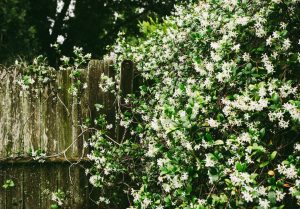
Winter jasmine scrambles over walls and fences, producing bright yellow flowers through the darkest months. It’s easy to grow and flowers reliably even in shaded positions. The bare green stems look decent between flowering periods.
Texture and Form Through Winter
Grasses Add Movement
Winter gardens can feel static without plants that move in the breeze. Grasses maintain this dynamic quality when other plants stand rigid. Even common varieties create interest through movement and sound.
Choose grasses that bleach to attractive colours rather than collapsing into brown mush. Many maintain upright form through the worst winter weather, turning from green through burgundy to buff as winter progresses.
Position grasses where winter light will illuminate them. Morning sun from behind creates glowing effects. Late afternoon light catches seed heads beautifully. Consider these angles when planting rather than just thinking about summer views.
Frost Magnifies Texture
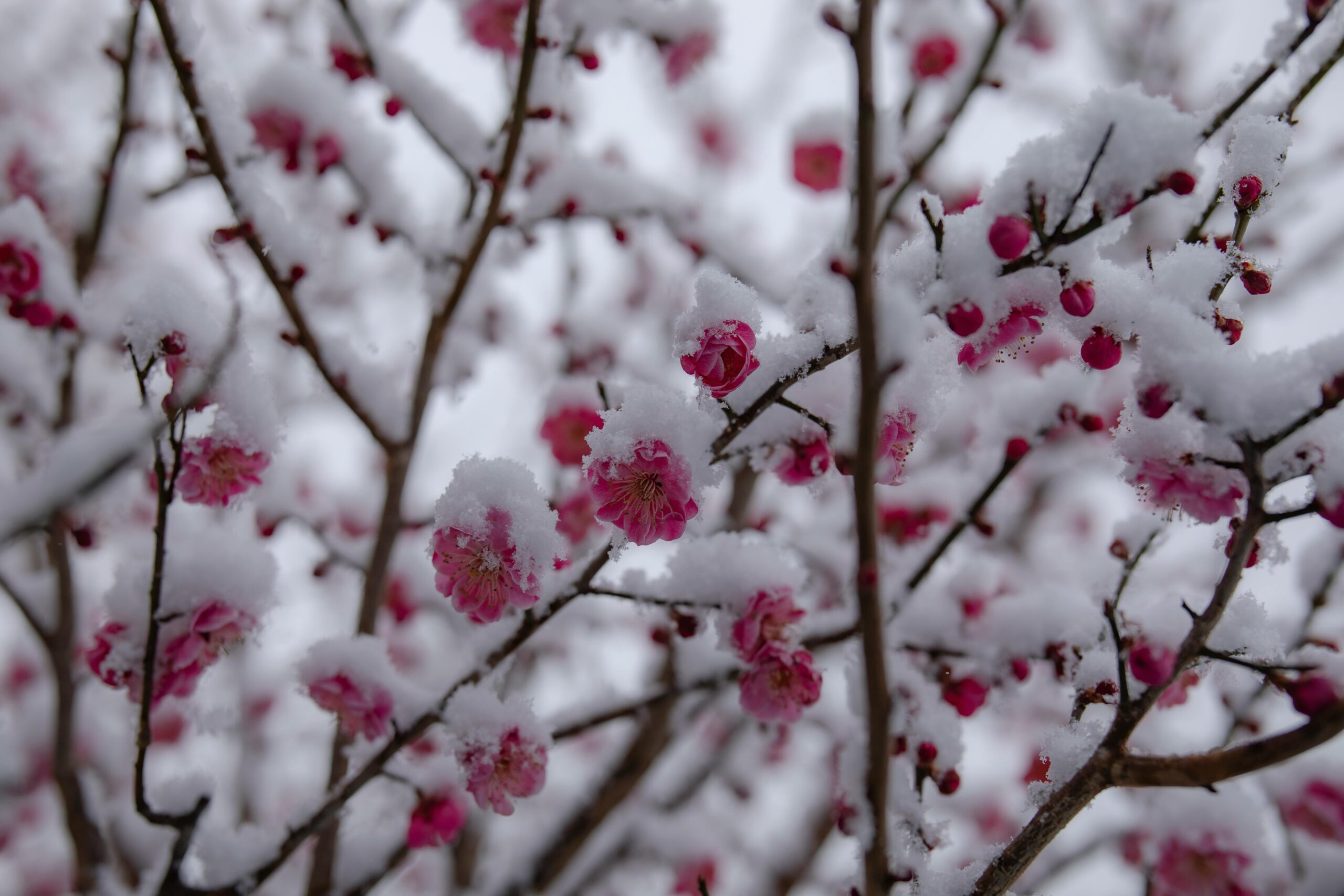
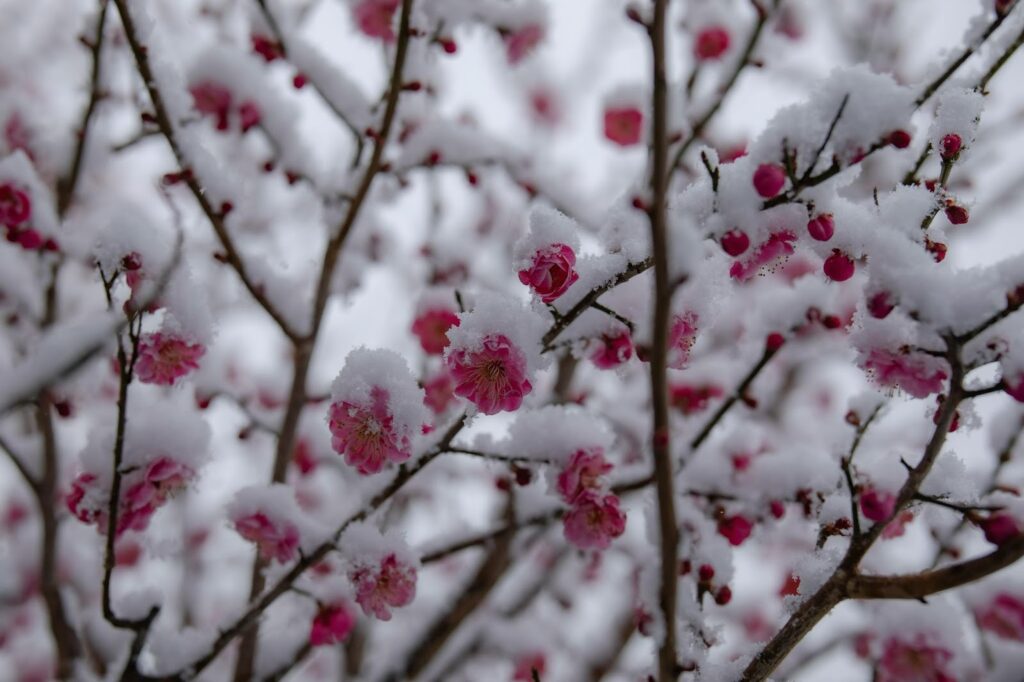
Frost transforms ordinary plants into extraordinary displays. Feathery foliage becomes intricate ice sculptures. Frost highlights textures you barely notice in warmer months. Even common plants look remarkable when rimmed with ice crystals.
Design with frost in mind. Plants with complex structures, such as ferns, grasses, and architectural perennials, create the best frost displays. Group them where you’ll see them first thing on frosty mornings. Position them near windows you look through at breakfast.
Lavender holds its form through winter and looks spectacular when frosted. The grey-green foliage provides year-round structure whilst flower spikes persist if you leave them uncut. The architectural mounds work well in formal or informal settings.
Practical Design Strategies
Create Viewing Points
Position winter interest where you’ll actually see it. That beautiful bark on a tree hidden at the garden’s far end provides little benefit during months when you rarely venture outside. Place winter features near the house where they’re visible from windows.
Design sight lines that draw attention to winter highlights. Frame views with an evergreen structure. Use paths to guide eyes toward focal points. Consider which windows you look through most frequently and position your interesting features accordingly.
Layer Your Planting
Winter gardens need depth to remain interesting. Flat borders look particularly bleak when dormant. Create layers, such as low ground cover, medium height perennials, tall grasses, structural shrubs, and specimen trees. This layering maintains visual complexity when individual plants lose their impact.
Position plants with winter interest throughout the layers. Ground-level hellebores, mid-height seed heads, tall grasses, and architectural shrubs create varied heights that prevent winter monotony.
Plan for Succession
Different elements peak at different times throughout winter. Early displays might feature berries and autumn foliage remnants. Mid-winter highlights structural plants and bark. Late winter brings early bulbs and winter flowers. Plan for this succession rather than expecting constant peak interest.
Accept that winter gardens change character as the season progresses. Enjoy each phase rather than trying to maintain static displays. The evolution provides interest through months that would otherwise feel unchanging.
Common Winter Garden Mistakes
Don’t over-tidy in autumn. That urge to cut everything back creates bare earth that looks terrible through winter. Resist it. Leave structural plants standing and only clear genuinely messy growth that’s collapsed into slimy piles.
Avoid relying solely on evergreens. All-evergreen gardens feel heavy and static. Mix evergreen structure with deciduous plants offering winter interest. The contrast between solid forms and delicate dried stems creates more engaging compositions.
Don’t neglect winter maintenance completely. Brief visits to remove genuinely collapsed growth, check for wind damage, and clear leaves from evergreens keep the garden looking intentional rather than abandoned. Ten minutes monthly maintains winter presentation without excessive intervention.
When Professional Input Helps
Creating winter interest requires understanding plant characteristics through seasons you can’t observe when making purchase decisions. Summer nursery visits reveal little about winter performance. Professional garden designers know which plants deliver winter impact in London gardens because we’ve observed them through multiple winters.
At The Southwest London Gardener, we select plants based on year-round contribution rather than just peak season appeal. We understand which combinations create winter interest whilst functioning well through other seasons. Our experience in soft landscaping in London prevents costly mistakes, such as purchasing plants that disappoint in winter or that fail to establish in your specific conditions.
We’ll help you create a garden that earns its space through all twelve months. Winter shouldn’t mean closing the curtains on your outdoor space for a third of the year. With thoughtful design, those cold months become something worth observing rather than enduring.
Ready to transform your garden’s winter appearance? Our team brings decades of combined experience creating natural, sustainable spaces across Southwest London that look good year-round.
Contact us today to discuss how we can help your garden shine through the winter months.