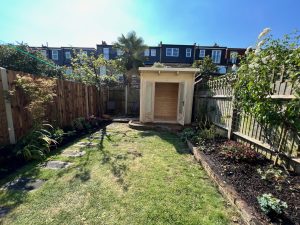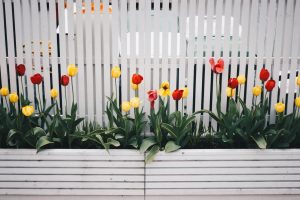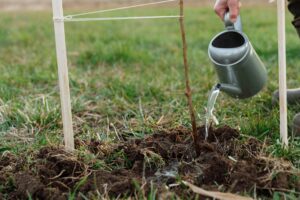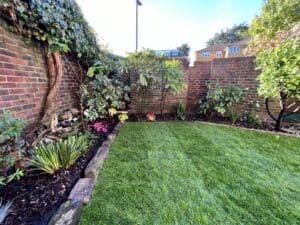

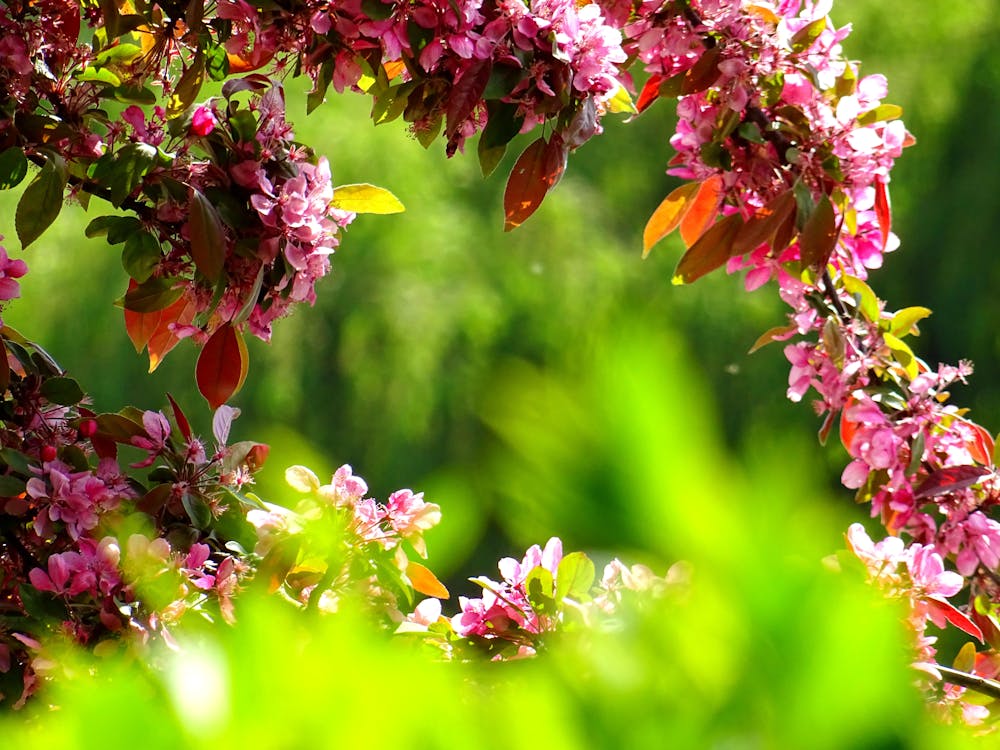
Breaking ground on your first flower garden can feel overwhelming.
You’re faced with endless plant varieties, confusing care instructions, and the nagging worry that you’re not getting it right. But here’s the thing—gardening isn’t about perfection from day one. It’s about working with nature rather than against it.
Here at The Southwest London Gardener Ltd. we have years of experience providing stunning soft landscaping across London, and we’ve created this guide to help anyone looking to bring a burst of colour and life to their garden.
Let’s take a look.
7 Tips for Beginner Flower Gardeners
1. Understand Your Garden’s Natural Conditions
That patch of ground you’re eyeing for your flower display isn’t just dirt—it’s a complex ecosystem with its own microclimate. Before spending a penny at the garden centre, spend time watching how sunlight moves across your space throughout the day. Note where water collects after rain and which areas dry out first.
Most flowering plants need at least six hours of sunlight daily, but don’t despair if your garden is shadier. Woodland flowers like foxgloves thrive with less direct light. Your soil type matters enormously too—London gardens vary from heavy clay to sandy loam, sometimes within metres of each other.
A good practice is to dig a small hole, grab a handful and squeeze. If it holds shape but crumbles when poked, you’ve hit the jackpot with loamy soil. Clay soil compacts into a ball, while sandy soil falls apart entirely.
Each can grow beautiful flowers, but your plant selection should match what you’ve got rather than fighting it.
2. Start with a Proper Soil Foundation
The secret to spectacular flowers isn’t found in bottles of fertiliser—it’s right beneath your feet. Poor soil produces poor results, no matter how meticulously you water or how premium your plants are.
Start by incorporating quality peat-free compost into your existing soil. This improves both drainage in heavy soils and water retention in sandy ones while feeding beneficial microorganisms.
Your own kitchen scraps and garden trimmings can follow the same cycle. Mulching around (not against) plant stems with composted bark or leaves suppresses weeds while gradually feeding the soil as it breaks down.
3. Implement Smart Watering Practices
New gardeners often obsess over watering schedules, yet both overwatering and underwatering kill more flowers than any pest.
Establishing an effective watering routine doesn’t mean daily sprinkling—it means providing deep, thorough moisture when plants truly need it.
A good rule of thumb is to stick your finger two inches into the soil—if it’s dry at that depth, it’s time to water.
Collecting rainwater isn’t just environmentally responsible—it’s actually better for your plants than treated tap water. Simple water butts connected to downpipes can capture significant amounts even in modest gardens.
4. Group Plants with Similar Needs
One of the most common mistakes is placing plants with vastly different requirements side by side.
That sun-loving lavender will struggle beneath your thirsty hydrangea, for example.
Create planting zones based on water and light requirements. This makes maintenance more logical and efficient while ensuring each plant thrives in conditions that suit it. The time you spend planning these groupings pays dividends in reduced plant losses and maintenance headaches later.
Consider height and spread too—taller plants generally belong at the back of borders (or centre of island beds) so they don’t shade shorter species. Allow adequate spacing between plants to accommodate their mature size and ensure good air circulation, which helps prevent fungal problems.
5. Manage Pests and Problems Naturally
That moment when you spot holes in your prized flower’s leaves can trigger panic and a rush for chemical solutions. But reaching immediately for pesticides disrupts the natural balance of your garden, often creating bigger problems down the line. A naturally balanced garden develops its own pest management system.
Accept that some insect damage is inevitable and actually signals a healthy ecosystem. When intervention becomes necessary, start with the gentlest approaches—a strong water spray dislodges aphids, while hand-picking larger pests during evening garden strolls can also be effective.
6. Plan for Succession Planting
A common beginner mistake is creating a garden that explodes into colour for a few weeks before fading to green for the remainder of the year.
True gardening satisfaction comes from extending the flowering season across as many months as possible.
Plan your flower selection to include early bloomers like snowdrops and crocuses, summer stunners such as salvias and geraniums, and autumn performers including asters and Japanese anemones. This succession approach means always having something reaching its peak while something else is preparing for its moment.
The trick isn’t packing in more plants—it’s selecting ones that complement each other across seasons.
7. Make Time to Enjoy Your Garden
After all the digging, planting and nurturing, don’t forget the most important aspect of flower gardening—taking time to actually enjoy it. Too many new gardeners get caught in an endless cycle of chores without pausing to appreciate what they’ve created.
Create a comfortable seating area with a view of your favourite plants. Make a habit of morning or evening garden strolls with no agenda beyond observation and appreciation. Notice which flowers attract the most pollinators, how light plays across petals at different times of day, and how your garden changes through the seasons.
These moments of connection with your created ecosystem bring significant wellbeing benefits. Gardens provide something unique—a direct relationship with natural cycles that humans instinctively respond to. People who maintain gardens consistently report lower anxiety and stress levels.
Flowers Perfect for Beginners
Lavender
This Mediterranean native thrives in our London climate with minimal intervention. Its silvery foliage remains attractive year-round, while its fragrant purple blooms attract bees and butterflies all summer long.
Lavender asks little beyond well-draining soil and a sunny position. Once established, it’s remarkably drought-tolerant—perfect for gardeners who occasionally forget to water.
Few plants offer such a high return on such minimal investment.
Geranium
Hardy geraniums are perennial workhorses that return reliably year after year. These adaptable plants offer something for almost any garden situation—shade or sun, dry or moist soil.
Certain varieties flower for months with minimal deadheading, covering themselves in purple-blue blooms from June until the first frosts.
Their only fault might be their enthusiasm—some varieties spread vigorously, but even this is easily managed by dividing plants every few years.
Echinacea
These North American natives bring architectural interest and long-lasting blooms to any sunny border. Their distinctive cone-shaped centres surrounded by colourful petals create focal points that draw both human eyes and pollinating insects.
Echinacea purpurea, with its purple-pink flowers, is the most reliable for beginners. Plant in well-draining soil in full sun, water until established, then largely leave them to their own devices.
Their sturdy stems rarely need staking, and their seed heads provide winter interest and food for birds. For maximum impact, plant in groups of three or five rather than as isolated specimens.
Japanese Anemone
When many summer flowers are fading, Japanese anemones step in with their elegant blooms on tall, wiry stems. These late-season stars thrive in the shade that many other flowering plants reject.
Once established, they form slowly expanding clumps that need virtually no attention beyond occasional watering during drought.
They combine particularly well with ornamental grasses and late-flowering sedums. Their only significant demand is patience—they often take a year or two to settle in before flowering abundantly.
Rudbeckia (Black-Eyed Susan)
These cheerful daisy-like flowers with their distinctive dark centres bring reliable late-summer colour when many other plants have finished. Rudbeckia fulgida var. sullivantii ‘Goldsturm’ is the gold standard for beginners—a tough perennial that returns year after year with minimal care.
Plant in moderately fertile soil in full sun or partial shade, water until established, and then step back to enjoy the show.
Other Great Flower Choices
Best All-Year-Round Flower: Hellebore
When seeking plants that provide interest across all seasons, hellebores stand in a class of their own. These woodland natives offer evergreen foliage year-round, complemented by elegant flowers from midwinter through early spring when little else dares to bloom.
Their modest care requirements are vastly outweighed by their long-lasting presence. If you’re planning a garden with year-round interest, hellebores deserve a prime position, particularly beneath deciduous trees or shrubs that allow winter sun to reach them.
Best Fast-Growing Flower: Cosmos
When impatience meets gardening, cosmos provides the perfect solution. These annual flowers grow from seed to blooming plants in as little as 7-8 weeks, instantly transforming bare spaces into billowing clouds of daisy-like blooms.
Cosmos thrives in average to poor soil—in fact, rich soil produces fewer flowers and more foliage. Sow seeds directly where they’re to flower after all danger of frost has passed, or start them indoors 4-6 weeks earlier.
And don’t worry if your first attempt isn’t perfect—cosmos self-seeds readily, offering free plants for next year.
Best Low-Maintenance Flower: Sedum
If your ideal gardening approach involves more admiring than tending, sedums should top your planting list.
These succulent perennials store water in their fleshy leaves, making them exceptionally drought-tolerant once established.
Their sturdy stems rarely need staking, and their flowers persist well into winter, providing structural interest during the garden’s dormant period. Few plants offer such prolonged interest for so little intervention.
Getting Help with Your Flower Garden
Even experienced gardeners sometimes find themselves stumped by unexpected challenges or seeking fresh inspiration. Knowing when and where to seek guidance saves time and prevents costly mistakes.
The Royal Horticultural Society’s website provides authoritative information specifically relevant to UK growing conditions. Local gardening groups offer knowledge tailored to your immediate area—invaluable because London’s microclimate varies significantly between postcodes. Garden centres often employ staff who can provide specific advice about plant selection and care, though it’s wise to visit independent nurseries where staff typically have deeper specialist knowledge than chain stores.
For more personalised guidance, professional services like our natural gardening at The Southwest London Gardener Ltd. can provide anything from occasional advice to complete garden creation and maintenance.
With over 50 years of combined hands-on experience, we’ve seen which approaches deliver lasting results in London’s specific conditions. Whether you need a complete transformation or ongoing maintenance, we bring practical expertise rather than just theoretical knowledge.

Conclusion
Creating a thriving flower garden isn’t about following rigid rules or achieving instant perfection. It’s about working with nature rather than against it, learning through observation and experience, and finding joy in the process as much as the result.
Remember that gardens evolve rather than arrive fully formed. Each season brings new insights and possibilities. Your flower garden will develop alongside your growing knowledge, becoming increasingly beautiful and resilient with each passing year. The most successful gardeners aren’t those with innate talent but rather those who observe closely, learn continuously, and partner with nature’s own processes.
So grab your trowel, select a few reliable starter plants, and begin. Your journey into flower gardening starts with a single bloom. And we at The Southwest London Gardener are here to support you every step of the way.
Get in touch to find out how we can help transform your outside space.