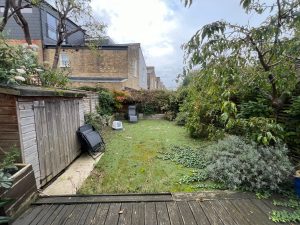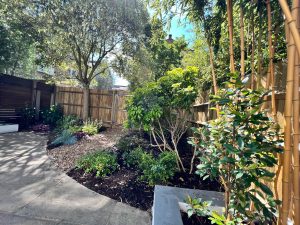

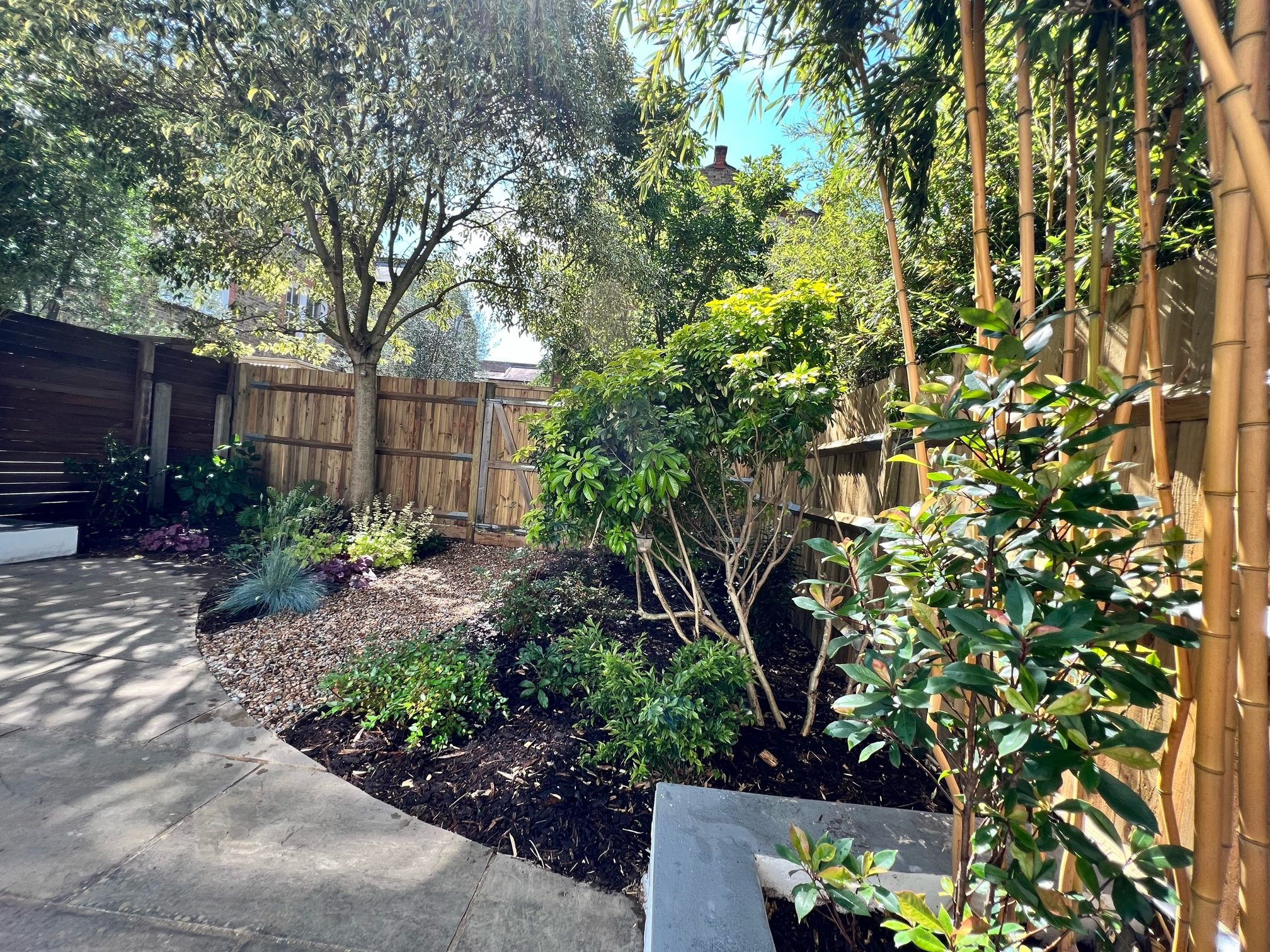
Standing in a garden filled with patios, walls, and decking, you might wonder why something feels missing despite the investment. The answer lies in what’s absent rather than what’s present – the living, breathing elements that transform outdoor spaces from functional areas into genuine havens.
At The Southwest London Gardener, we’ve watched countless clients discover how soft landscaping changes everything. It’s the difference between a garden that impresses visitors and one that draws you outside every morning with your coffee. The transformation isn’t just visual – it’s sensory, environmental, and surprisingly practical.
After 50 years of combined experience creating natural London gardens, we’ve seen which soft landscaping approaches deliver lasting benefits in our specific conditions. The results speak for themselves: gardens that enhance property values whilst reducing maintenance costs, outdoor spaces that support local wildlife whilst providing year-round interest.
We’ve created this blog to run through some key benefits, so let’s take a look.
Creating Natural Boundaries and Privacy
London’s compact gardens often suffer from overlooked spaces and harsh boundary lines that feel more like outdoor rooms than natural retreats. Soft landscaping solves privacy issues that fencing and walls simply cannot address whilst creating visual interest throughout the seasons.
Strategic planting provides natural screening that improves rather than deteriorates over time. A mixed hedge of native species creates effective boundaries whilst supporting local wildlife. Unlike panel fencing that requires replacement every few years, these living boundaries strengthen annually whilst providing habitat for birds and beneficial insects.
The layered approach works particularly well in London gardens. Plant tall shrubs as backdrop screening, mid-height perennials like hardy geraniums for seasonal colour, and ground-cover plants to complete the natural transition. This creates privacy that feels organic rather than imposed, whilst requiring minimal ongoing intervention once established.
Climbing plants offer vertical solutions for immediate impact. Native honeysuckle or clematis quickly transforms stark walls into green backdrops, whilst providing nectar sources for pollinators and nesting sites for garden birds.
Environmental Benefits That Matter
Soft landscaping delivers environmental benefits that extend far beyond your garden boundaries.
Key Environmental Advantages:
- Air purification – Plants filter pollutants and produce oxygen, improving local air quality
- Temperature regulation – Vegetation can reduce local temperatures by several degrees during hot weather
- Water management – Plant roots reduce surface runoff and improve soil drainage
- Carbon storage – Gardens actively sequester carbon whilst producing oxygen for urban environments
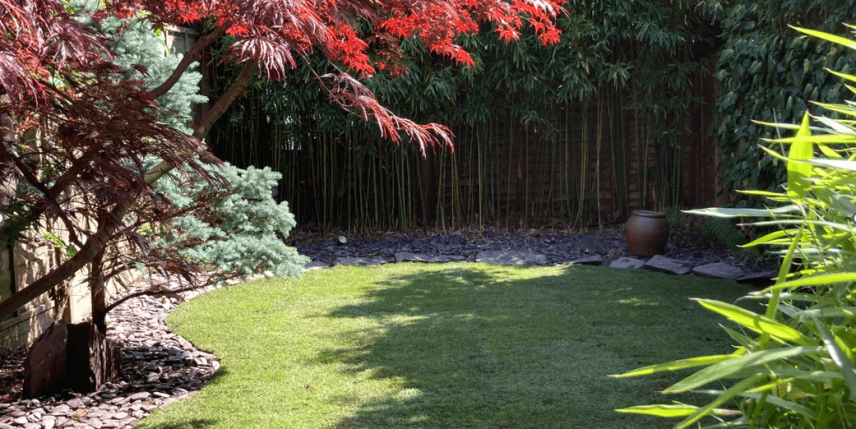
Supporting Wildlife and Biodiversity
Creating Wildlife Corridors
Your garden becomes part of London’s green corridor network when designed with wildlife in mind. Native plants provide food sources that exotic species simply cannot match – a single oak tree supports over 500 species of insects, whilst many imported ornamentals support virtually none.
Building Habitat Layers
Creating habitat layers attracts different wildlife species whilst providing year-round interest:
- Ground level – Native wildflowers and low-growing plants shelter beneficial insects and small mammals
- Shrub layer – Medium-height plantings provide nesting sites for birds and cover for wildlife movement
- Canopy level – Trees support everything from bats to breeding birds whilst providing roosting sites
Water Features for Wildlife
Water features enhance wildlife value exponentially. A simple wildlife pond supports amphibians, provides drinking water for mammals, and creates breeding habitat for beneficial insects. Even a shallow dish refreshed regularly attracts garden visitors you never knew existed.
Aesthetic and Sensory Benefits
Soft landscaping provides visual interest that changes throughout seasons, offering something new to discover year-round. Spring bulbs give way to summer perennials, followed by autumn colour and winter structure – a constantly evolving display that keeps gardens engaging.
The sensory experience extends far beyond visual appeal. Aromatic plants like lavender, rosemary, and native honeysuckle provide fragrance that enhances outdoor living whilst attracting beneficial insects.
Sound plays an underappreciated role in garden enjoyment. Ornamental grasses rustle in breezes, whilst dense plantings buffer traffic noise. The wildlife that soft landscaping attracts provides natural soundscapes – bird song, bee humming, and leaf rustle that mask urban noise pollution.
Movement adds life to static spaces. Grasses sway, flowers turn to follow the sun, and seasonal growth creates ever-changing compositions. This natural animation makes gardens feel alive rather than merely decorative.
Property Value and Market Appeal
Estate agents consistently report that well-established gardens significantly enhance property values, with mature soft landscaping being particularly valuable. Buyers recognise the time and expense required to establish gardens, making properties with developed plantings more attractive than those requiring complete landscaping.
The return on investment for quality soft landscaping often exceeds that of many indoor improvements. Kitchen renovations may date, but established gardens appreciate continuously. Mature trees and well-designed planting schemes can add thousands to property values whilst providing immediate enjoyment.
Health and Wellbeing Advantages
Physical Health Benefits
Regular contact with plants and natural environments provides measurable health benefits that go far beyond casual enjoyment:
- Exercise benefits – Gardening provides gentle cardiovascular exercise and improves flexibility
- Air quality improvement – Plants filter pollutants, directly benefiting respiratory health
- Stress hormone reduction – Contact with nature measurably reduces cortisol levels
- Vitamin D production – Outdoor gardening activities increase natural vitamin D synthesis
Mental Health Support
The psychological benefits include improved focus, reduced anxiety, and enhanced mood stability. Children particularly benefit from regular nature contact, showing improved attention spans and reduced behavioural issues when gardens form part of their daily environment.
Gardening activities reduce stress hormones whilst increasing serotonin levels – nature’s own antidepressant effect that costs nothing to access. The physical activity involved in garden maintenance provides gentle exercise that improves flexibility, strength, and cardiovascular health without expensive gym memberships.
Practical Maintenance Considerations
Contrary to popular belief, well-designed soft landscaping often requires less maintenance than hard landscaping alternatives. Native plants establish quickly and largely care for themselves once settled, whilst exotic species demand constant attention to survive London’s changeable conditions.
Seasonal maintenance follows natural rhythms rather than demanding year-round intervention. Spring preparation, summer watering during dry spells, autumn cleanup, and winter protection create manageable seasonal tasks rather than constant upkeep pressure.
The self-sustaining nature of mature plantings reduces long-term costs significantly. Established perennials return annually without replanting costs, whilst trees and shrubs provide decades of value from single installations. Compare this to decking, fencing, or paving that requires regular replacement and repair.
Educational and Social Benefits
Gardens become outdoor classrooms where children learn fundamental life skills through direct observation and hands-on experience. Watching seeds germinate, understanding seasonal cycles, and caring for living things provides education that screens cannot deliver.
Community connections often develop around shared gardening interests, with plant swaps, advice sharing, and seasonal celebrations creating neighbourhood bonds.
The skills developed through garden management transfer to other areas of life – patience, planning, problem-solving, and long-term thinking all strengthen through regular plant care. These capabilities prove valuable in professional and personal contexts far beyond gardening.
Intergenerational knowledge sharing happens naturally in garden settings, with experienced gardeners mentoring newcomers whilst learning about contemporary approaches. This knowledge exchange preserves traditional skills whilst encouraging innovation.

Natural Pest and Disease Management
Soft landscaping creates natural pest control systems that prove more effective and environmentally sound than chemical treatments. Beneficial insect habitat throughout gardens means pest problems get addressed before they become serious issues.
Companion planting uses natural plant relationships to deter harmful insects whilst attracting beneficial ones. Marigolds near tomatoes, lavender around roses, and herbs throughout borders create natural protection systems that strengthen rather than degrade soil health.
Disease resistance improves when plants grow in optimal conditions with good air circulation, appropriate spacing, and healthy soil. Native species particularly excel here, having evolved alongside local pest and disease pressures whilst developing natural resistance mechanisms.
The biodiversity that soft landscaping supports creates ecosystem balance where no single pest species can dominate. Natural predator-prey relationships control population levels without human intervention, creating stable growing conditions for all garden plants.
Water Management and Conservation
Soft landscaping transforms gardens into natural water management systems that address London’s increasing flood risks whilst reducing municipal water consumption. Plant roots create natural drainage that prevents waterlogging during heavy rainfall whilst storing moisture for dry periods.
Rain gardens and planted swales channel surface water runoff through planted areas where it infiltrates naturally rather than overwhelming drainage systems. These features prove particularly valuable in London’s increasingly built-up environment where traditional drainage struggles with extreme weather events.
Native plants require minimal irrigation once established, having adapted to local rainfall patterns over millennia. This natural water efficiency becomes increasingly valuable as water restrictions become more common during drought periods.
Seasonal Interest and Year-Round Value
Well-designed soft landscaping provides something noteworthy throughout every season, creating gardens that reward attention year-round rather than looking attractive only during summer months. This continuous interest maximises the return on landscaping investment whilst maintaining engagement with outdoor spaces.
Spring emergence offers hope and renewal after winter dormancy, with bulbs, fresh growth, and early flowers providing psychological lift during challenging months. The progression from bare branches to full foliage creates daily changes that mark time’s passage naturally.
Summer abundance provides peak display periods when outdoor living reaches its height. Strategic plant selection ensures continuous flowering from early summer through autumn, with different species taking centre stage as seasons progress.
Autumn colour and berry production create spectacular displays that rival any spring show, whilst providing valuable wildlife resources during preparation for winter. The structural elements that remain after leaf fall provide winter interest through form, bark, and persistent fruits.
Winter architecture reveals garden bones that remain hidden during growing season, with evergreen structure, interesting bark, and seed heads providing visual interest during months when outdoor time feels most precious.
Soft Landscaping with The Southwest London Gardener
The benefits of soft landscaping compound over time, creating outdoor spaces that improve annually whilst requiring decreasing intervention. From climate adaptation and soil health to mental wellbeing and cultural connections, these living systems provide value that hard landscaping alternatives simply cannot match.
Whether you’re starting with a blank canvas or enhancing existing gardens, the key lies in selecting appropriate plants for your specific conditions whilst designing for long-term sustainability. The initial investment in quality soft landscaping pays dividends for decades through reduced maintenance costs, improved property values, enhanced quality of life, and positive environmental impact.
With over 50 years of combined experience creating natural London gardens, we understand which soft landscaping approaches deliver lasting results in our specific urban environment. From native plant selection to wildlife-friendly design, we bring practical expertise that transforms outdoor spaces into genuine assets that benefit both homeowners and the wider community.
Get in touch today to discuss how we can work together to bring your garden to life.