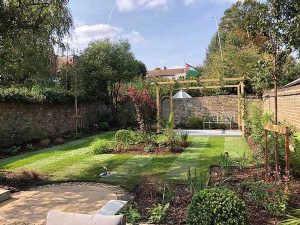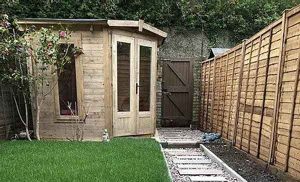


If you book a gardener or landscape designer in winter, you get ahead of the spring rush. You’ll have more choice of dates and more time to plan. You also get the chance to do the jobs that work best while your plants are asleep. When the first warm weekend comes round, the hard work is already done and your garden is ready to go.
We know winter doesn’t feel like garden weather. The borders look a bit sorry for themselves, the lawn squelches when you walk across it, and it’s dark before the kids are home from school. You’re probably thinking about Christmas presents rather than compost. Still, after years of looking after gardens across Putney, Wandsworth and Twickenham, our team has noticed something. The gardens that look wonderful in April are usually the ones somebody was working on in January.
In this guide, we’ll explain why winter is such a good time to get a gardener booked in, which jobs suit the colder months, and what tends to happen if you leave it until spring.
Why Is Winter the Best Time to Book a Gardener for Spring?
Winter gives you three things that are hard to come by in spring: time, choice and a clear view of your garden.
Think about when you last caught yourself planning the garden. For most of us, it’s the first sunny Saturday in March, cup of coffee in hand, looking out at the mess left by winter. Thousands of people across London have the same thought that same weekend. Phones start ringing, diaries fill up, and anyone booking then joins a queue. Get in touch in December or January instead, and you can pick who you work with and when they start.
You also have room to plan without feeling rushed. A garden design project has quite a few steps. There are early chats and a site visit, then drawings to look over, plants and materials to choose, and a quote to agree. Squeeze all that into April and there’s very little time to change your mind. Our guide on why winter is best for garden planning goes into the design side in more detail.
Your plants need time too. A bare-root hedge planted in January spends months settling its roots before it grows a single leaf. Compost spread over the beds in winter has broken down by spring. Book in April and you lose that head start.
What Are the Main Benefits of Booking a Gardener in Winter?
You get ahead of the queue, and you can see exactly what your garden needs.
Beat the Spring Rush and Avoid Long Waiting Lists
Plenty of families want a new patio or fresh planting ready for Easter, and most of them decide that in the same few weeks. Good gardeners and landscaping teams across London book up quickly once the weather turns. If you book in winter, you have those conversations while everyone else is still tangled up in fairy lights. That gives you a much better chance of the start date you’d like.
Identify Garden Problems More Easily
Once the leaves have fallen, you can see your garden properly for the first time in months. You’ll spot the shrub that has slowly taken over half the border, the tree leaning on the fence, and the gaps in the hedge that summer growth was hiding. Winter rain shows you where water sits too. That matters a lot on the heavy clay under so many south west London gardens. When one of our team walks round a garden in January, they can see problems that would stay hidden until July.
Scheduling and Cost Advantages of Winter Landscaping
Booking early also makes materials, budgets and disruption easier to manage.
Avoid Delays in Landscaping Materials
Paving, turf, timber and nursery plants can all take longer to arrive once spring demand starts. Every so often a popular porcelain tile or a lovely mature tree sells out, and you end up waiting or settling for your second choice. If you agree your design in winter, there’s time to order everything before the rush. Our plant sourcing service is there for exactly this.
Take Advantage of Potential Off-Peak Rates
Some landscaping companies offer lower rates or more flexible dates in the quieter months, and some charge the same all year round. Everyone prices differently, so it’s always worth asking when you get a quote. Even without a discount, booking early means you can compare quotes calmly. You won’t feel pushed into taking whichever team can fit you in. Want to know how much a job would cost with our team? Why not use our garden project pricing estimator tool?
Complete Disruptive Garden Work Before Spring
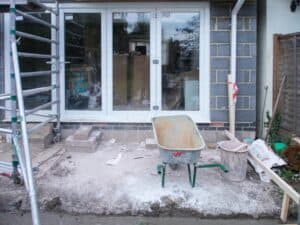
A lot of hard landscaping carries on happily through winter. Laying a patio, building raised beds or putting up a new fence can all go ahead as long as the ground isn’t frozen or waterlogged. Get the noisy, muddy part done before spring, and you can enjoy your garden as soon as the weather turns. You won’t spend the first sunny weekends looking at a building site. Our hard landscaping page tells you more about this kind of work.

What Gardening and Landscaping Tasks Should Be Completed During Winter?
Winter is the season for pruning, feeding the soil, bare-root planting, a careful tidy and checking your drainage. Each of these jobs gives your plants a better start in spring.
Pruning Deciduous Trees and Shrubs
With the leaves gone, you can see the whole shape of a plant and make every cut count. Apple and pear trees, lots of deciduous shrubs and the February prune of wisteria all suit this time of year. Roses usually get their main prune in late winter. Pruning while plants are dormant encourages strong new shoots in spring and sends the tree’s energy where you want it.
A few plants need a different approach. Cherries and plums are better pruned in summer, because winter cuts leave them open to silver leaf disease. Spring flowering shrubs like forsythia should wait until after they’ve flowered, or you’ll cut off this year’s display. A good gardener will know which plants to leave well alone.
Preparing Soil with Compost and Mulch
Spreading compost or well-rotted manure over your beds in winter is one of the kindest things you can do for your garden. Worms do most of the work for you, pulling it down into the ground over the next few months. By spring, you’ll have darker, crumblier soil that holds moisture in summer and drains better when it rains. A thick layer of mulch also tucks plant roots in against hard frosts and keeps weeds down. Lay it on damp soil, never frozen ground, so it holds in the warmth and moisture.
Planting Bare-Root Trees and Hedges
Bare-root season runs from around November to March, and it’s one of our favourite times of year. Bare-root plants grow in open fields and are lifted while dormant, then sold without a pot. They usually cost less than potted plants, and you get a much wider choice of hedging. Plant them in winter, and they’ll put down roots before they grow leaves, so they’re well settled before the first dry spell. Beech, hornbeam and native mixed hedges all do beautifully planted this way.
Clearing Dead Plant Material and Garden Debris
A gentle winter tidy clears away diseased leaves, rotting stems and soggy piles where slugs and fungal problems hide until spring. Picking up fallen rose leaves, for example, helps keep black spot down next year. As natural gardeners, we’d also ask you to leave a few corners messy on purpose. Hollow stems and a small log pile give ladybirds, beetles and hedgehogs somewhere to spend the winter. For bigger jobs, our garden clearance team can deal with the overgrowth and take the waste away.
Identifying Drainage and Structural Problems
A wet week in January will show you exactly where your garden struggles. You might find puddles sitting on the lawn for days, a boggy patch by the back fence, or a patio that sends rainwater towards the house. Leaning fence posts, cracked walls and crumbling edging are much easier to spot without summer growth in the way. It’s far better to sort these out before you plant anything new.
Planning Garden Design and Landscaping Improvements
If you’re dreaming of something bigger, winter gives you and your designer time to get the brief right. Have a think about how your family uses the garden, what you love about it, and what drives you mad. Our guide to creating a garden design brief is a lovely starting point before your first meeting.
How Does Winter Booking Make Spring Garden Maintenance Easier?
With the clearing, pruning and soil work done in winter, spring becomes the fun part. Your gardener can put their time into the lawn, the weeding and new planting, the jobs you’ll notice most as everything wakes up. If you’d like that help to carry on through the year, our regular garden maintenance team can pick up where the winter work leaves off.
It can help your budget too. You can split a bigger project into stages, with clearance and groundwork in winter and planting in spring, so the cost doesn’t all land at once. Our tips on budgeting for a garden transformation explain how to plan it out.
What Happens If You Wait Until Spring to Book a Gardener?
You can still book in spring, of course, but you’ll usually have fewer options. Popular gardeners and landscaping teams may already be booked for weeks or months ahead, so your project might start later than you’d hoped. A garden you pictured finished by May could still be underway in midsummer. If the paving or plants you’d set your heart on have sold out, there may be more waiting.
You’ll also have missed the winter window. Bare-root season will be over, the dormant pruning will have to wait another year, and new borders planted just before a dry spell need far more watering while they settle.
When Should You Book a Gardener or Landscape Designer for Spring?
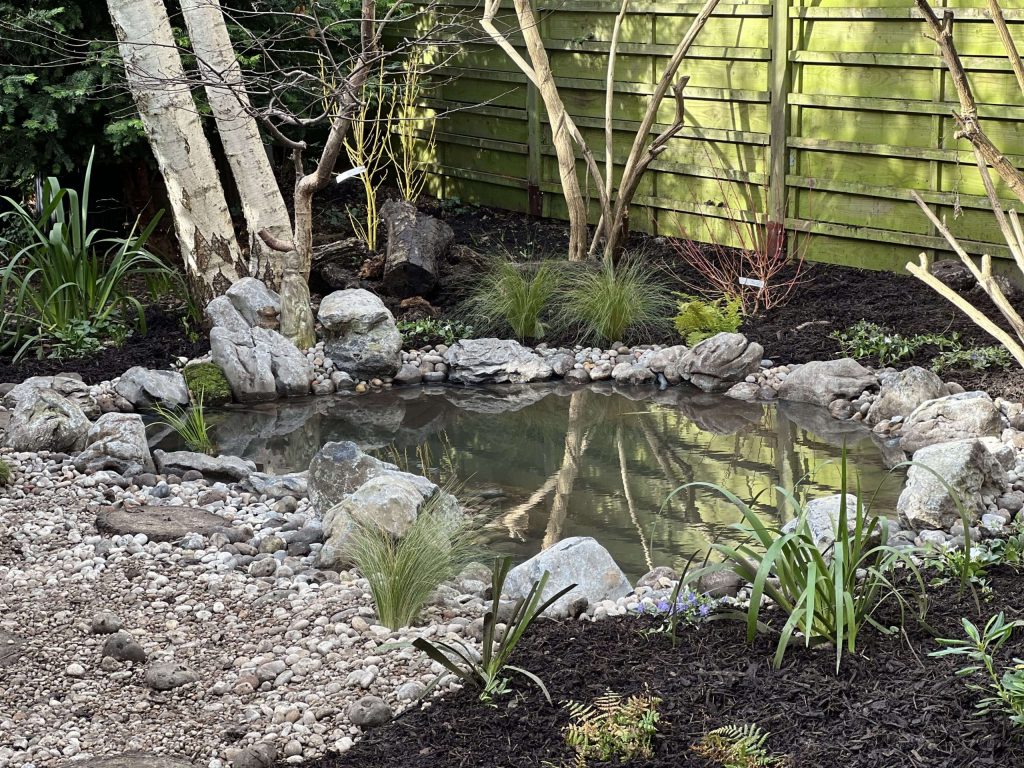
For a bigger landscaping or design project, we’d suggest getting in touch between November and January. For regular maintenance or a spring tidy, booking by late January usually leaves you plenty of choice.
When you first get in touch, tell your gardener how you use the garden and what you’d love it to do for you. Let them know if you’re after a one-off job, regular help or a complete redesign. A few photos and rough measurements make it much easier to give you an early idea of cost.
Once you’ve agreed the work, plan out what happens in winter and what waits for spring. Pruning, clearance, soil preparation and hard landscaping usually come first. Planting, lawn work and the finishing touches follow as the days warm up.
Book Your Gardener in Winter for a Garden Ready for Spring
A little planning in the darker months goes a long way by April. If you book in winter, you get more choice of gardener and time to shape your ideas. You also catch the dormant season jobs that help your plants grow strong in spring.
If you’re already picturing next year’s garden, send us a few photos, rough measurements and a short note on what you have in mind. We’ll come back to you with a rough idea of cost, then pop round to talk it through and give you a clear, itemised quote.
We’d love to help you step into spring with a garden that’s ready and waiting. Get in touch with The South West London Gardener to start planning.