
You’ve probably been ignoring your garden since October, telling yourself you’ll sort it out when spring arrives. By then, every decent gardener in London is booked solid until September. Here’s the thing: winter is actually when you should be planning your garden makeover, and there are some pretty compelling reasons why.
You Can Actually See What You’re Working With
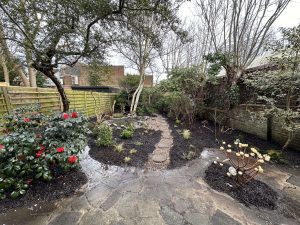
When all the leaves have dropped, and everything’s died back, your garden can’t hide its problems anymore. That dodgy corner that floods every time it rains? You’ll spot it immediately. The path that seemed fine in summer but turns into a mud pit? Winter makes it obvious.
We walk clients through their bare gardens all winter, and it’s always an eye-opener. Summer greenery is brilliant at disguising structural issues. Winter strips all that away and shows you the truth – the good bits and the problematic bits. You can’t fix problems you can’t see properly, and winter reveals everything.
It’s Easier to Get a Quick Slot
Ring a landscaper in April asking for a quote, and you’ll be lucky to get a call back before June. Everyone suddenly remembers they’ve got a garden when the weather warms up, and contractors are swamped. Winter is completely different. Our diary has breathing room, we can meet you properly, and we’re not rushing off to the next job.
This matters more than you’d think. We can visit a few times, really understand what you want, adjust the design without pressure, and source the right materials. Your project gets proper attention instead of being squeezed in between more urgent work. You get a better result when nobody’s rushed.
London’s Ground Doesn’t Freeze
Unlike up north, where everything turns solid from November to March, London stays workable through winter. We can still dig, lay foundations, install drainage, and do all the heavy groundwork without fighting frozen ground. The real advantage? Your soil settles over winter, so when spring arrives, everything’s already stable and ready to grow.
Heavy construction work actually makes more sense now. You’re not trampling growing plants or tearing up the grass that you’re actually using. Any mess from building gets washed away by winter rain before you want to sit outside. The disruption happens when you’re indoors anyway, watching telly rather than trying to enjoy your garden.
Plants Establish Better in Winter
Bare-root plants and dormant specimens go in during winter for good reason – they establish better. The plants aren’t stressed, trying to support leaves and flowers while growing new roots. They’ve got months to settle in properly before facing summer heat and drought.
Many of the native plants we use – the ones that actually thrive in Southwest London rather than just surviving – prefer winter planting. It’s when nature intends them to go in. You’re working with their natural cycle instead of forcing them to establish in the middle of their growing season. We consistently see better survival rates and faster establishment from winter planting.
You Think About Function, Not Just Flowers
Summer gardens are seductive. Everything’s blooming, it all looks lovely, and you make decisions based on how things look right now. Winter forces you to think about whether your garden actually works. Not just whether it’s pretty, but whether it’s practical.
Where does the rain go? Which areas get winter sun? Can you actually access the shed without trudging through mud? These are questions you need honest answers to, and winter provides them. Design your garden in winter, and you’re planning for year-round usability, not just three months of sunshine.
Materials Are Available and Often Cheaper
Suppliers aren’t flat-out busy in winter. Prices for stone, timber, and other materials often drop when demand softens, and you get first pick of what’s in stock. We’ve built relationships with local suppliers who appreciate winter orders – they’re not scrambling to fulfil urgent spring requests, so you get better service and more reliable delivery.
The FSC-certified wood and natural stone we prefer for sustainable projects often have better availability now, too. You’re not accepting whatever’s left after everyone else has grabbed the good stuff in spring. You get a proper choice.

You’ll Actually Enjoy Your Garden This Year
Plan now, get the work done in early spring, and you’ll be using your garden by May instead of staring at a building site all summer. We see this every year – people who wait until spring to start planning and end up watching the entire summer disappear while their garden’s torn up. They’re lucky if it’s finished by autumn.
Do it our way, and your garden matures through the growing season. Plants establish, new features weather in naturally, and you actually get a proper summer in your garden. That’s the difference between enjoying this year and writing it off entirely and hoping for next year.
Southwest London Has Its Own Rules
Every area around here has its quirks. Wandsworth gardens behave differently from Richmond ones. Putney has different drainage patterns from Twickenham. You only discover these things when winter weather tests your garden properly. We’ve worked throughout SW London long enough to know that postcodes matter.
Your garden might hold water completely differently from next door, or catch wind that doesn’t affect properties three houses down. Winter shows you these realities without guesswork. Make design decisions based on what winter reveals, and you avoid expensive corrections later when things go wrong.
Getting Started
Walk around your garden after it’s rained heavily. Note where water sits, where you’d actually want to go despite the weather, and which bits are currently useless. Be honest about what’s not working.
We’ve been doing this in Southwest London for decades, and the pattern never changes. People who sort their plans in winter enjoy transformed gardens in summer. Everyone else is still on waiting lists or dealing with delayed projects. Your garden won’t improve by waiting. It improves when you plan it during the season that actually suits planning.
Winter isn’t a dead time for gardens. It’s preparation time. And preparation makes all the difference.