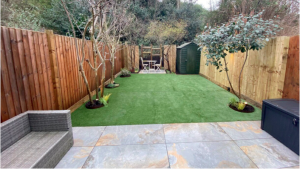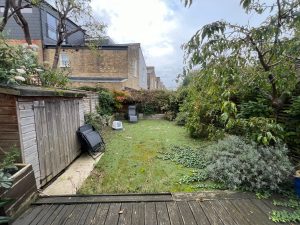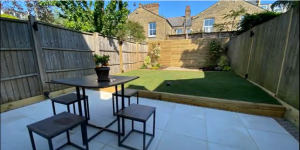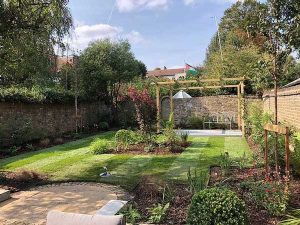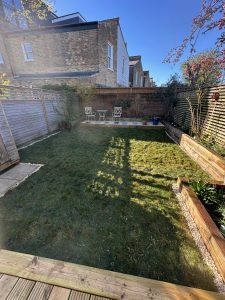

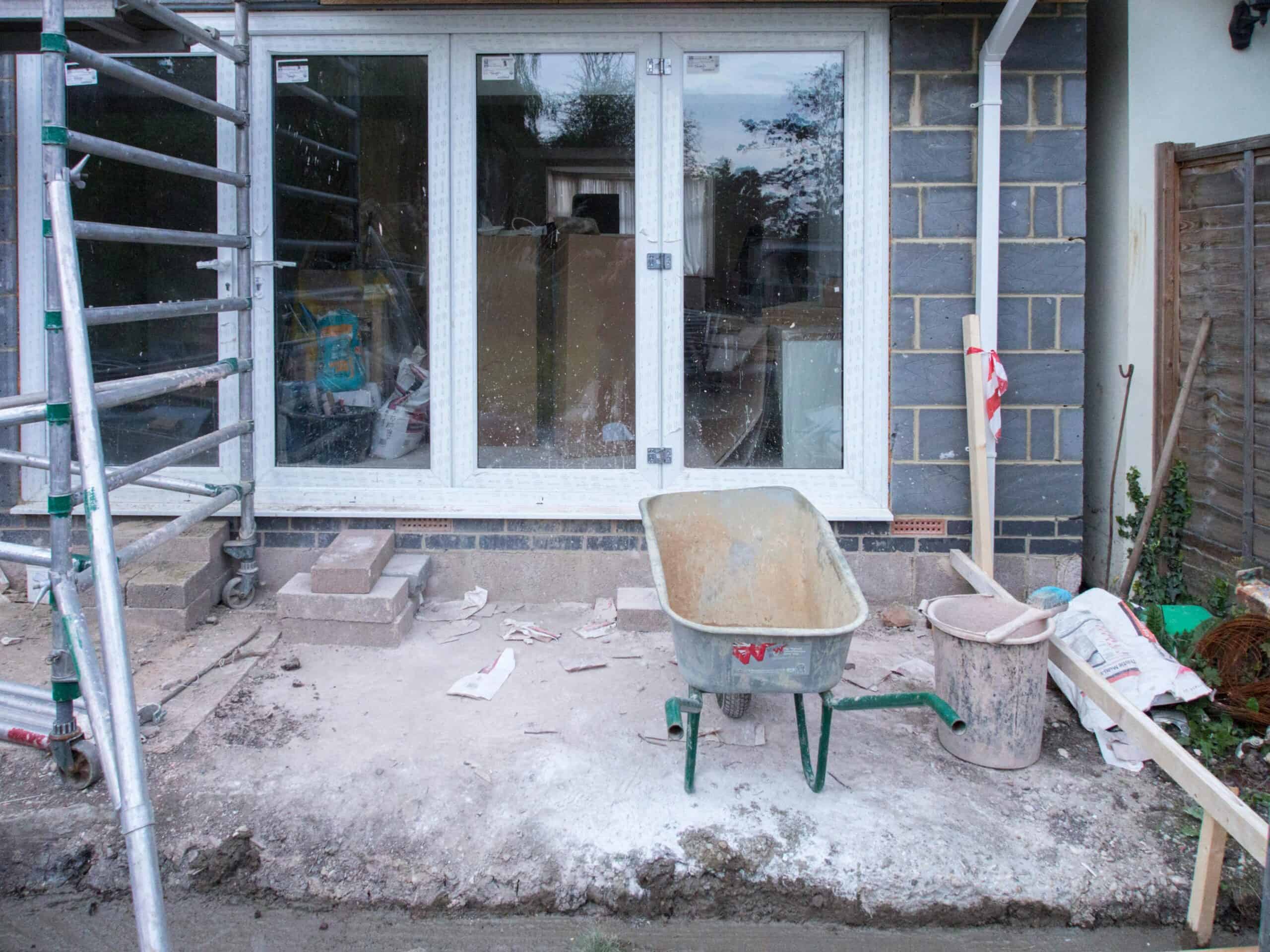
Building work has a habit of leaving gardens looking sorry for themselves. The extension’s finally done, the kitchen’s gleaming, and then you wander outside and your face falls. What used to be a tidy lawn is nlow a churned-up mess, the borders look like they’ve been used as a skip, and there’s that suspicious greasy patch where the cement mixer parked itself for weeks on end.
The good news? Gardens are tougher than they look. They bounce back, and they often come back better than before because all that disruption forces a proper rethink on the bits that needed sorting anyway. Think of it less as damage control and more as the perfect excuse for the garden makeover you’ve probably been putting off for years.
This guide covers what to expect after the builders leave, how to approach bringing your garden back to life, and what’s worth spending money on. It’s written for properties around Wandsworth, Putney, Wimbledon, Clapham and the rest of Southwest London, where heavy clay soil makes these jobs that bit more demanding.
What a Build Leaves Behind
Builders aren’t out to wreck your garden, but the nature of their work means damage happens whether anyone wants it to or not. Skip lorries reverse across lawns, pallets of bricks sit on flowerbeds for weeks, and the path from the front gate to the back of the house gets walked thousands of times.
The damage usually shows up in three ways. The ground itself takes the worst of it, becoming hard and lifeless after months of heavy traffic. Plants and lawn rarely come through the experience well, with crushed grass, snapped branches and dust-coated leaves being the obvious giveaways. The wider garden suffers too, with patios covered in mortar splashes, fences knocked about by scaffolding, and borders buried under building debris.
None of this is the end of the world, though. Gardens are surprisingly resilient when given proper care, and most post-build damage looks far worse than it actually is. If your garden was already feeling tired before the work began, this might even be the nudge you needed. There are plenty of signs it’s time for a garden makeover, and a build is one of the biggest.
Clearing Up First
Nothing useful happens until the garden’s properly cleared. Walking the whole space and picking up bricks, tile fragments, packaging and stray nails is dull work, but it has to come first. Stout gloves and proper boots make the job manageable rather than miserable.
Bigger items go straight into a skip or builder’s bag, while smaller debris fills garden waste sacks for the tip. Whatever you do, don’t bury rubble to save on disposal costs. It’s one of those decisions that seems clever at the time but causes years of grief later when planting hits buried obstacles. There’s a useful guide on garden waste disposal if you’re unsure about the right way to handle it.
Construction waste sits outside normal garden refuse rules, which catches plenty of homeowners out. Wandsworth, Merton and Lambeth all have specific guidelines on what goes where. Using a registered waste carrier or hiring a skip from somewhere reputable protects you from fly-tipping liability, since cash deals with unknown operators can leave you legally responsible if your waste turns up dumped in some lay-by.
Bringing the Garden Back to Life
Once the rubbish is gone, the proper makeover begins. The ground usually needs the most attention because months of being walked on, parked on and built on leaves it compacted and lifeless. Loosening it up properly is the foundation everything else depends on, whether that’s a garden fork for smaller patches or hired equipment for bigger areas.
Adding good quality compost makes a massive difference at this stage. A generous layer worked into the surface restores structure and feeds the soil back into a state where plants will actually want to grow. Where the original soil’s been ruined or carted off entirely, fresh topsoil bridges the gap and gives you something proper to work with.
Drainage is worth checking before any planting happens. Gardens that hold water for hours after rain need attention before new plants go in, because waterlogged borders kill expensive plants through their first winter. Most drainage problems sort themselves out once compaction’s been dealt with, though stubborn cases sometimes need professional help. If excess rain was already an issue before the build, the disruption may have made it worse.
Sorting Out the Lawn
Lawns absorb proper punishment during builds, but grass is forgiving stuff once the ground beneath it has been sorted. Patchy areas and thinning grass usually respond well to overseeding, with fresh seed knitting into damaged turf within a few weeks during the growing season. Spring and early autumn are the best windows because grass establishes happiest when the weather isn’t roasting or freezing.
Severe damage and large bare areas usually call for fresh turf instead. The transformation is immediate, giving you a usable lawn within a few weeks rather than the full season needed for reseeded areas to look respectable. Quality turf isn’t cheap, but the speed and certainty often makes it the better call when a garden’s been properly battered. There’s plenty more on keeping a perfect lawn year-round once you’ve got fresh growth established.
Construction often leaves lawns looking like a ploughed field, with bumps and dips that need levelling before any seeding or turfing happens. Getting the slope right matters too, particularly making sure water flows away from the house rather than towards it.
Replanting and Redesign
This is where building work stops being a problem and starts being an opportunity. The garden’s conditions have probably changed, with new extensions casting shadows where sun used to fall and altered boundaries shifting the layout. Rather than trying to recreate exactly what was there before, the smart move is treating the disruption as a chance to redesign for how the garden actually works now.
Spending a day watching how light moves across the changed garden saves expensive mistakes later. Areas that thrived in full sun might be in shade most of the day, while previously gloomy corners might suddenly catch decent light. Choosing plants for the new conditions means matching what you put in to what your garden actually offers, rather than fighting against it.
For the first couple of seasons, tough and forgiving plants earn their keep while everything settles. Hardy geraniums, shrub roses, fuchsias and similar reliable performers establish well even when conditions aren’t ideal. Bulbs are brilliant for filling space cheaply while the bigger picture takes shape, with daffodils, alliums and crocus all tolerating ground that’s still finding its feet.
Borders rebuilt properly from the base, with crisp edges and decent depth, immediately lift the whole garden. A generous mulch layer of bark chip or well-rotted leaf mould finishes the job, locking in moisture and keeping weeds at bay while everything establishes. If you’re starting from scratch with the whole layout, a proper garden design brief helps clarify what you actually want before any spades come out.

Patios, Paths and Fences
Hard landscaping deserves its own attention because dirty patios and busted fences undermine everything else you’ve put right. Power washing handles most of the build-up of dust, mortar splashes and embedded grime that turns smart paving into something that looks like a building site car park. Stubborn cement marks sometimes need specialist cleaners, though care’s needed on natural stone where harsh chemicals can cause damage.
Fence panels splintered by scaffolding usually warrant replacement rather than patching, since visible repairs rarely look right and end up annoying you every time you spot them. Posts knocked askew often need fresh installation. Timber that’s lost its weather protection during the works needs retreating with a decent preservative before the next winter sets in.
These finishing touches matter more than people expect. A garden with beautifully restored borders but a filthy patio and broken fences still looks neglected. Getting the hard landscaping right is what pulls everything together properly.
Timing and Budget
Autumn suits restoration work brilliantly. The soil holds summer warmth, autumn rains help plants establish without drowning anything, and roots get properly settled before winter arrives. Spring works for some elements once things warm up, while midsummer is best dodged because heat stresses everything trying to establish. There’s actually a strong case for winter being the best time for garden planning, giving you time to get everything sorted before the growing season properly kicks off.
A typical fifty square metre Southwest London garden needing serious restoration sits somewhere between £1,500 and £4,000 depending on damage extent and the choices you make. Quality materials cost more upfront but pay back through results that actually last. Cheap topsoil, budget turf and weak plants all cost more in the long run when they need replacing within a year or two. There’s plenty of useful advice on budgeting for a garden transformation if money’s tight.
Itemised quotes from contractors save you from nasty surprises. Vague all-in pricing usually masks either inflated bills or quietly cut corners, neither of which leaves you better off.
How The Southwest London Gardener Can Help
Garden restoration after building work is a proper undertaking. Plenty of homeowners tackle bits of it themselves, but professional input usually delivers better results faster and with far less personal disruption. There’s a strong argument for calling in the experts when a project’s bigger than a weekend job.
Years of restoring gardens across Wandsworth, Putney, Wimbledon, Balham, Clapham, Battersea and Earlsfield mean local conditions hold no surprises. Knowing where buried rubble usually hides, which areas suffer worst from compaction, and which plants genuinely thrive in London clay all comes from doing this work day in, day out across the area.
There’s also the practical matter of getting your weekends back. Garden restoration eats time like nothing else, and there’s something properly demoralising about spending every Saturday for months wrestling with builders’ debris when the new extension was supposed to make life easier, not harder.
A free quote starts with a proper site visit and an honest assessment of what’s needed and what it’ll cost. No pressure, no upselling, just straight advice from people who do this work for a living and genuinely care about getting it right. Gardens that have been through the wars deserve to come back as somewhere worth spending time, and that’s exactly what good restoration delivers.