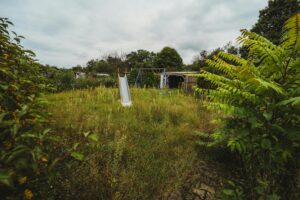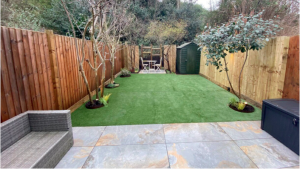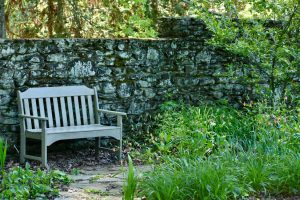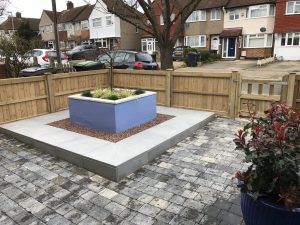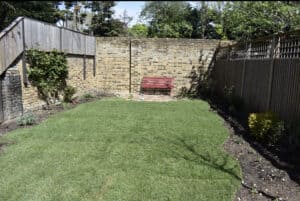

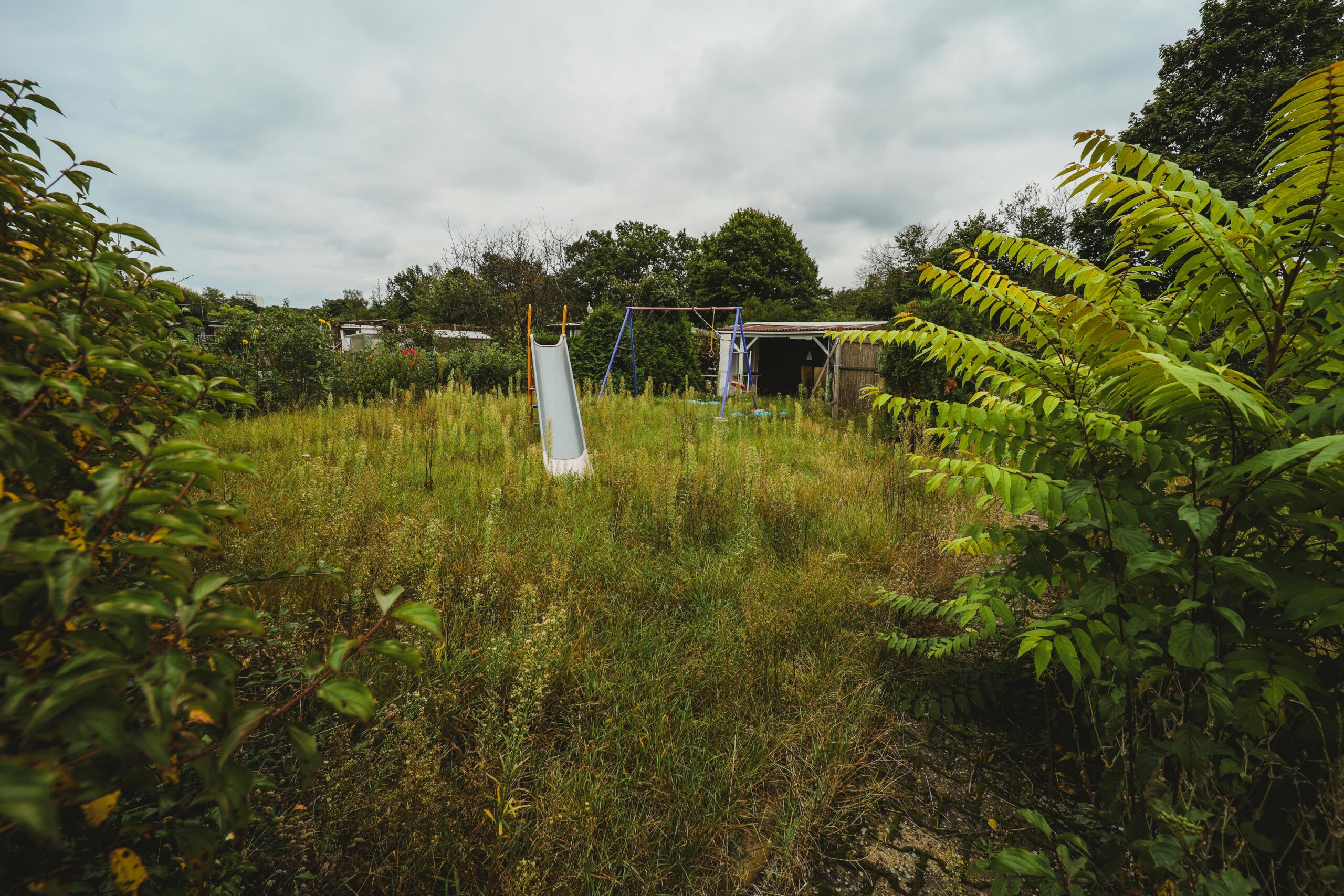
Standing in an overgrown garden for the first time can be genuinely overwhelming. Brambles everywhere, plants you can’t identify, trees blocking all the light, paths you can barely see. It’s tempting to just clear epverything and start from scratch – but that’s almost always a mistake.
Here at The Southwest London Gardener, our team have transformed dozens of overgrown London gardens, and here’s what I’ve learned: hidden among that chaos is usually something worth saving. Established plants that took decades to reach their current size. Mature trees providing structure and habitat. Thriving shrubs that just need proper management. Clearing everything means losing years of growth and starting from zero when you could be working from a solid foundation.
The trick is knowing what to save and what to remove, then tackling the transformation in the right order. Let me walk you through exactly how we approach overgrown gardens – and how you can make smart decisions about yours.
Step 1: Don’t Touch Anything Yet (Just Look and Learn)
I know the urge to dive in and get chopping down is large, but resist it. The first step with any overgrown garden is observation, not action.
Spend Time in the Space
Walk through at different times of day. Notice where sunlight reaches and when. Identify what’s actually growing – you’ll be surprised how many established plants are hiding in there. Look for paths, old features, and changes in level. Overgrown gardens often have good bones buried under the chaos.
Watch Through a Season If Possible
Spring bulbs might be dormant when you first see the garden. That shapeless shrub might produce stunning flowers in May. Trees that look dead might just be late leafing. Give the garden time to reveal what it’s got before making irreversible decisions.
Obviously, if you’ve just moved in and need usable space immediately, you can’t wait months. But even a few weeks of observation before major clearance pays dividends.
Take Photos
Document everything from multiple angles. These become invaluable for tracking progress and making decisions. Plus, the before-and-after comparison will be deeply satisfying later.
Step 2: Identify What’s Worth Saving
Not everything in an overgrown garden deserves keeping, but dismissing everything as rubbish is short-sighted. Here’s what we look for:
Established Trees
Mature trees are garden gold. They provide instant structure, shade, wildlife habitat, and maturity that new plantings take decades to achieve. Even trees that need work are usually worth saving unless they’re genuinely dangerous, diseased, or catastrophically positioned.
Check for: Structural soundness (no major splits or cavities), reasonable health (mostly living branches), appropriate size for the space, and whether they’re actually enhancing the garden or just dominating it.
Mature Shrub
That enormous blob of greenery might be a beautiful shrub that’s simply never been pruned. Many shrubs respond brilliantly to hard renovation pruning, regenerating from old wood and looking spectacular within a growing season.
Bulbs and Perennials
Overgrown gardens often hide treasures at ground level. Established daffodil, snowdrop, and bluebell colonies are worth working around. Perennials might just need dividing and replanting rather than replacing.
Existing Features
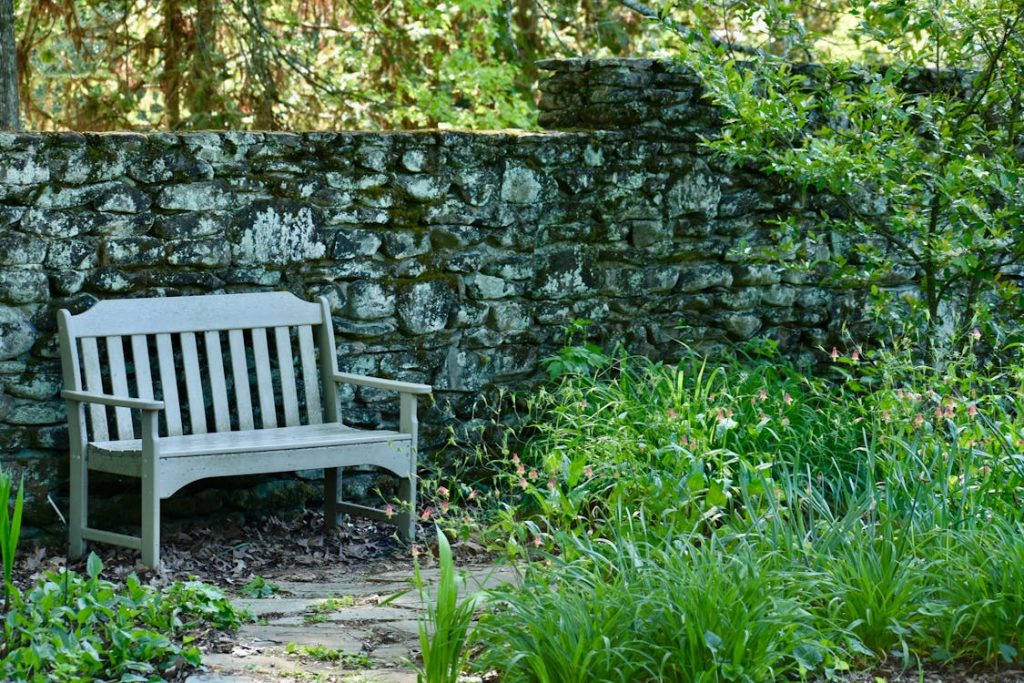
Old paving, brickwork, stone edging – these have character that new materials can’t replicate. Cleaning and reusing is often cheaper and more attractive than replacement.
Step 3: Clear in Stages, Not All at Once
Wholesale clearance is rarely the right approach. Work systematically through layers, reassessing as you go.
Start with the Rubbish
Dead wood, obvious weeds, actual rubbish (overgrown gardens often accumulate fly-tipped waste), and clearly invasive species. This gives you space to work and lets you see what you’re dealing with more clearly.
Reveal the Structure
Clear ground-level vegetation to expose paths, boundaries, and changes in level. You might discover paving, walls, or features you didn’t know existed. Understanding the garden’s bones informs all subsequent decisions.
Thin and Assess
Rather than removing entire plants immediately, thin them back significantly. Take out dead, damaged, and crossing branches. Remove lower growth to reveal main stems. This often transforms shapeless masses into recognisable plants you can make decisions about.
Many plants that look terrible and overgrown are actually fine specimens underneath.
Make Space for Decisions
Create cleared areas where you can stand back and properly see what remains. Trying to make design decisions while still surrounded by chaos is nearly impossible.
Step 4: Tackle Problem Plants Properly
Some plants in overgrown gardens aren’t just messy – they’re genuinely problematic and need proper handling.
Invasive Species
Japanese knotweed requires specialist treatment and sometimes legal compliance. Don’t mess with it yourself if you’re not trained. We’ve seen homeowners make invasive plant problems significantly worse through improper removal attempts.
Brambles
They’re aggressive and painful, but actually straightforward to remove. Cut back to ground level, then dig out roots. They regrow from fragments, so you need to be thorough. But they’re not as nightmarish as they initially seem.
Ivy
Depends entirely on context. Ivy smothering trees and shrubs should go. Ivy providing ground cover and wildlife habitat should probably stay, just managed. Cut it at the base and let the upper growth die before removal if it’s covering buildings – pulling it off live damages masonry.
Step 5: Prune Established Plants Back to Health
Once you’ve decided what’s staying, renovation pruning transforms overgrown plants.
Hard Pruning Candidates
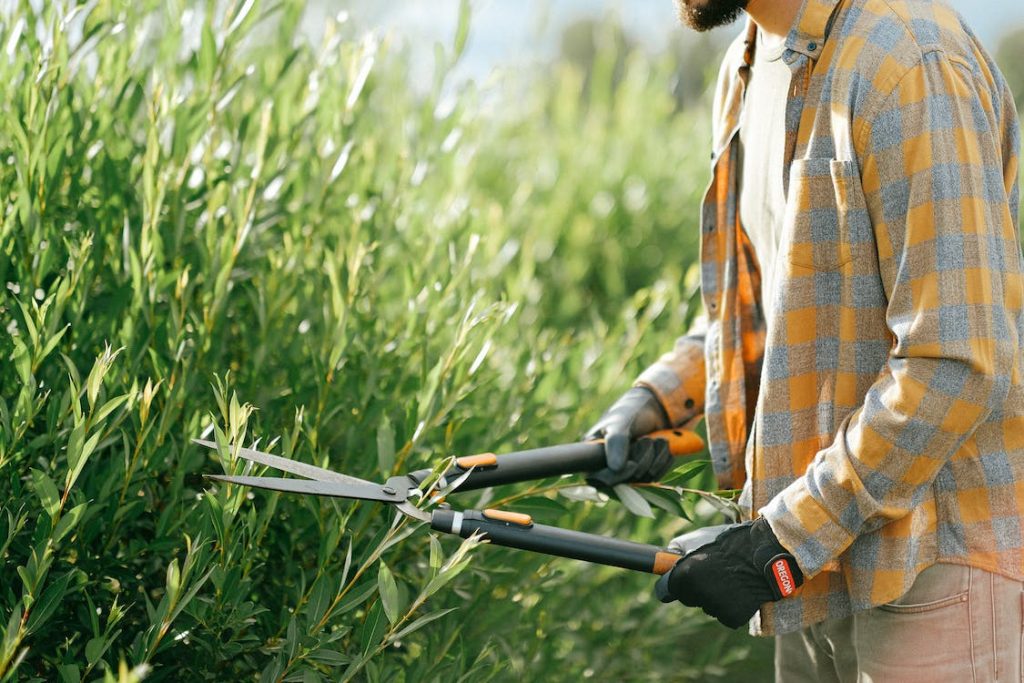
Many shrubs tolerate severe cutback. Cut back hard in late winter (February/March), and they’ll regenerate vigorously. It looks brutal, but the results are remarkable.
Selective Pruning for Trees
Large trees need professional assessment, but smaller trees and large shrubs often benefit from crown lifting (removing lower branches), thinning (removing crossing and competing branches), and shaping. This lets light into the garden and reveals the plant’s structure.
Gradual Renovation
Some plants shouldn’t be cut back all at once. Renovate over 2-3 years, removing a third of old wood annually. This applies to many flowering shrubs where hard pruning risks killing them.
Step 6: Improve the Soil Before Replanting
Overgrown gardens often have poor soil hidden under all that vegetation. Years of leaves and dropped plant material might create decent surface organic matter, but underneath can be compacted, depleted, or just builder’s rubble.
Test and Amend
Once cleared, assess soil quality. Is it compacted? Poor drainage? Lacking nutrients? Add substantial organic matter – we’re talking barrow-loads, not token bags. Overgrown gardens often need serious soil improvement to support new planting.
Clear Perennial Weeds
Brambles, bindweed, ground elder, and horsetail – clearing top growth doesn’t eliminate them. Dig out roots thoroughly, or you’ll be fighting regrowth forever. This is tedious work, but essential before replanting.
Step 7: Design with What You’ve Kept
Now you can actually plan the transformation, working with the established elements you’ve saved rather than starting from nothing.
Use Mature Plants as Anchors
Saved trees and large shrubs become focal points and structure. Design new planting to complement them, not compete with them.
Fill Gaps Strategically
Rather than replanting everything, add new plants where they’re genuinely needed. Understory plantings beneath saved trees, perennials to soften edges of saved shrubs, climbers to clothe revealed walls.
Create Zones
Overgrown gardens often lack definition. Use saved plants to create distinct areas – a shaded seating area under that renovated tree, a sunny border in the cleared corner, a wildlife area around that saved native hedgerow.
What This Approach Saves You
Time
Mature plants provide instant structure and impact that new plantings need years to achieve. You’re starting ahead rather than from zero.
Money
Large specimens are expensive. That mature shrub you renovated instead of replacing would cost £80-150 to purchase at equivalent size, if you could even find one. A mature tree? Potentially thousands.
Character
Established plants have presence and personality that young plants lack. Gardens with mixed ages – some mature, some new – look more interesting and authentic than entirely new plantings.
Sustainability
Saving and renovating is inherently more sustainable than clearing and replacing. Less waste to landfill, fewer resources consumed, and existing plants already contributing to local ecosystems.
Common Mistakes to Avoid
Clearing Everything Too Quickly
You can’t put it back once it’s gone. We’ve seen people remove mature specimens they later regret losing. If uncertain about a plant, leave it through one growing season before deciding.
Underestimating Renovation Potential
That hideous overgrown shrub probably isn’t hideous – it’s just neglected. Give plants a chance to respond to proper pruning before writing them off.
Ignoring Wildlife
Overgrown gardens often support significant wildlife. Birds nesting, hedgehogs hibernating, insects sheltering. Time your major clearance to avoid breeding seasons and check carefully before removing potential habitat.
Trying to Do Everything at Once
Overgrown garden transformation is exhausting work. Pace yourself. Work in sections, rest between major efforts, and accept that it’s a process, not an afternoon project.
The Transformation Timeline
Week 1-2: Assessment and Planning
Observe, photograph, identify plants, and make decisions about what stays and goes.
Week 3-6: Initial Clearance
Remove rubbish, dead material, and obvious problem plants. Reveal structure and bones.
Week 7-10: Renovation Pruning
Hard prune saved shrubs, thin trees, and shape established plants. This is seasonal – best in late winter.
Week 11-14: Soil Improvement
Clear perennial weeds, add organic matter, and prepare beds for new planting.
Week 15+: Replanting
Add new plants to complement saved specimens, creating a cohesive design.
This is a guide, not a rule. Some gardens need months, others can be tackled in weeks. The key is methodical progress rather than rushed decisions.
When to Call Professionals
Some overgrown garden work is beyond DIY capability:
Large Tree Work
Anything requiring climbing, chainsaws at height, or near buildings needs qualified arborists. This isn’t negotiable – it’s genuinely dangerous without training and equipment.
Invasive Species
Japanese knotweed especially requires professional treatment and potentially involves legal obligations. Don’t guess with this one.
Heavy Clearance
Seriously overgrown gardens generate tonnes of waste. Professional teams have equipment, experience, and disposal capacity that make the work dramatically faster and easier.
Design Uncertainty
If you’ve cleared enough to see what you’re working with but can’t visualise the transformation, professional garden design input saves expensive mistakes.
The Satisfaction of Transformation
There’s something uniquely satisfying about rescuing an overgrown garden. Revealing beauty that’s been hidden for years. Seeing plants respond to proper care after years of neglect. Creating order from chaos.
The gardens we transform from overgrown states often become clients’ favourites. There’s character in the mix of mature saved plants and thoughtful new additions that entirely new gardens take decades to develop. You’re not creating from nothing – you’re uncovering potential that was always there.
If you’re facing an overgrown garden, don’t be intimidated. With the right approach – observe first, save what’s valuable, clear methodically, renovate properly – transformation is entirely achievable. You might be surprised by what’s hiding in there.
The Southwest London Gardener specialises in transforming overgrown and neglected gardens across Wandsworth, Wimbledon, Putney, Richmond, Twickenham and surrounding areas. Call us on 07966 554841 to discuss rescuing your overgrown garden.