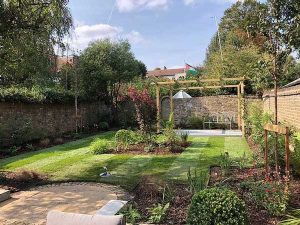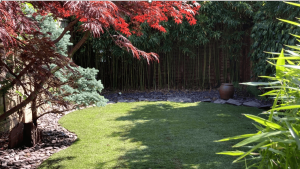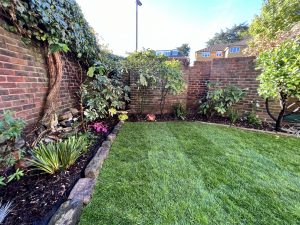


Design makes all the difference between a collection of plants and a cohesive garden that tells a story. At The Southwest London Gardener, we’ve transformed countless outdoor spaces across Wandsworth, Putney, Richmond and Twickenham by focusing on thoughtful soft landscaping design rather than simply plant selection.
Let’s cut through the complexity and focus on the design principles that will elevate your garden from ordinary to extraordinary.
Understanding Soft Landscaping Design
Soft landscaping design is about orchestrating living elements to create specific effects and experiences. While your hard landscaping provides structure, the plants you choose and how you arrange them determine how your garden feels, flows, and functions throughout the year.
Good design doesn’t happen by accident. It requires consideration of spatial relationships, seasonal rhythms, colour theory, and creating visual journeys that unfold as you move through the space.
The beauty of soft landscaping design lies in its transformative nature. A well-designed planting scheme can disguise awkward angles, create the illusion of greater space, buffer unwanted noise, and establish transitions between different areas. In Southwest London’s urban and suburban environments, thoughtful soft landscaping often makes the difference between a garden that feels boxed-in and one that feels like a boundless sanctuary.
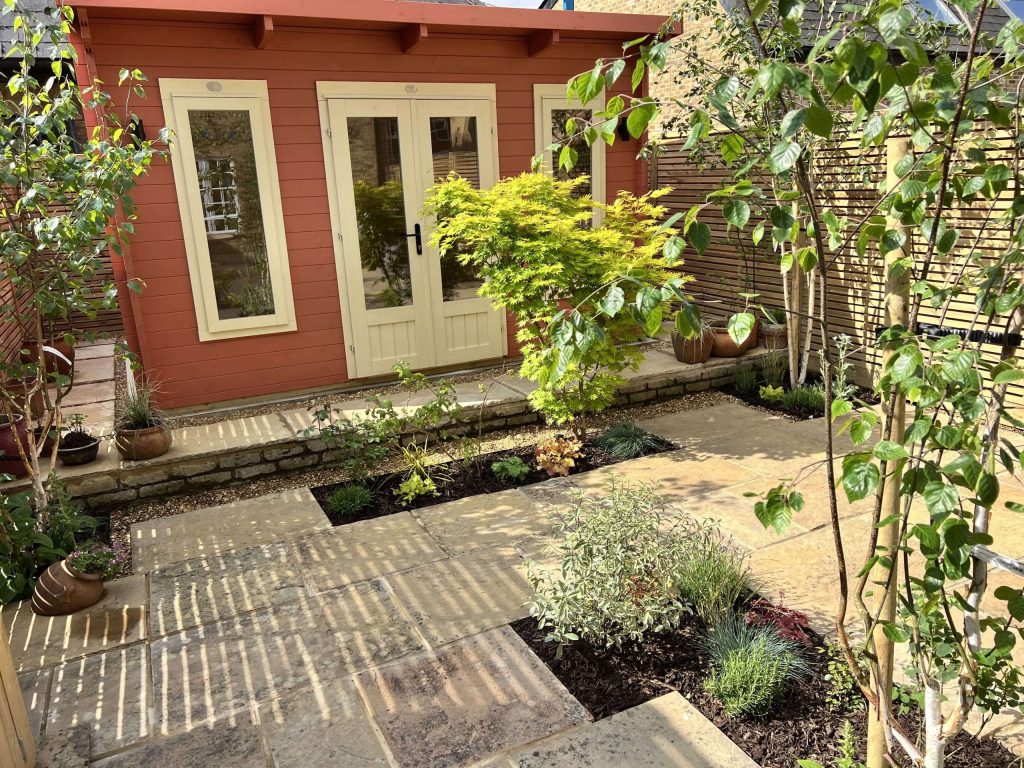
Planning Your Design Concept
1. Define Your Garden’s Purpose
Every successful garden design starts with clarity of purpose. Are you creating a peaceful retreat, an entertaining space, a play area for children, or a productive kitchen garden? Your ultimate goal should influence every design decision that follows.
For a tranquil space, consider a simpler palette with plenty of green foliage and gentle repetition. For social gardens, create defined areas with clear focal points and conversation-starting specimen plants. If children will use the space, incorporate resilient planting that can withstand occasional footballs and explorative hands.
Think about how you currently use your garden and how you aspire to use it. Is there a disconnect? Perhaps you have a large lawn that nobody uses, or borders pushed to the edges that get little attention. Your design should address these practical realities while nudging usage towards your ideal vision.
2. Create a Visual Framework
Strong design uses plants to define space and create structure. Think of evergreens as the walls of your outdoor room, deciduous trees as ceiling elements, and lower plantings as furniture that directs movement and activity.
This framework should stand strong even in winter when deciduous plants have lost their leaves. Plot these structural elements first on your design plan before considering seasonal performers.
In London’s relatively mild climate, we’re fortunate to have access to a broad palette of evergreen structure plants beyond just basic box and yew. These structural elements establish the underlying rhythm of your garden and ensure it never looks completely bare, even in the depths of winter.
3. Design with Sight Lines in Mind
Gardens reveal themselves through a series of views – from inside your home looking out, from entry points, and along pathways. Map these key viewpoints and design focal features that draw the eye and create interest at different distances.
A well-composed garden has elements that intrigue from afar and reward closer inspection. Consider placing striking architectural plants, sculptural elements, or vibrant colour where they’ll have maximum impact from your most-used viewpoints.
In urban London gardens, designing for privacy often competes with preserving light and views. Rather than creating solid green walls, consider strategic screening – placing taller elements precisely where they block unwanted views while leaving other areas more open. This targeted approach maintains light levels while still creating privacy where it matters most.
4. Consider Movement and Flow
Unlike interior spaces, gardens are experienced in motion. How people circulate through your garden significantly impacts their experience of it. Design pathways that create a sense of journey, perhaps narrowing to slow the pace through areas of detailed planting, then widening at destination points.
The concept of “reveal and conceal” is particularly effective in smaller London gardens. By slightly obscuring elements around a bend or behind strategic planting, you create intrigue and a sense of discovery, making the space feel larger and more interesting than a garden where everything is visible at once.
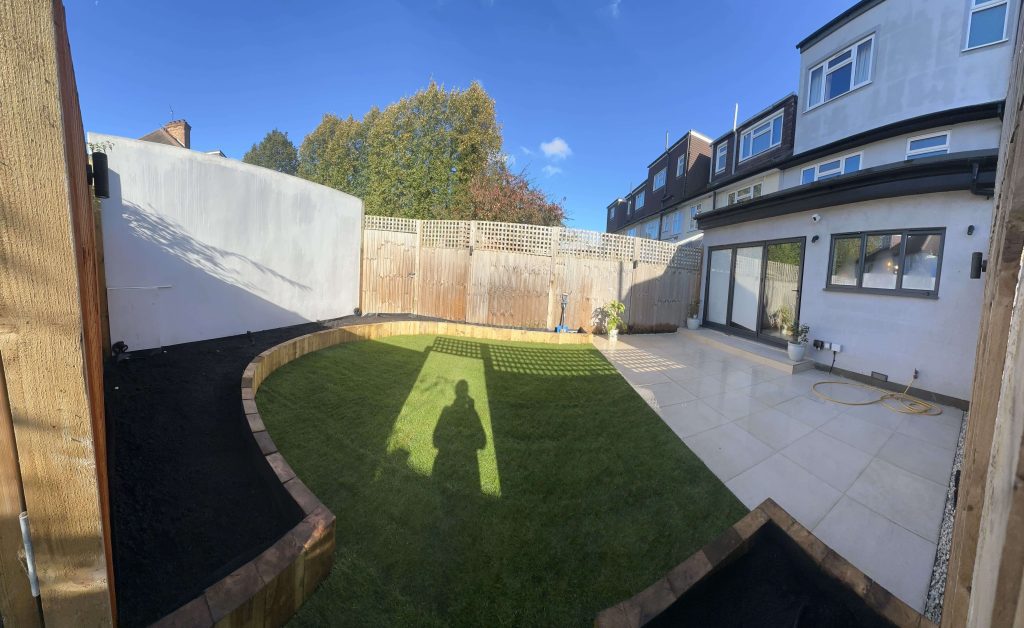
Creating Visual Interest Through Design
1. Master the Principles of Contrast
Contrast is the designer’s most powerful tool. It creates energy and visual interest through deliberate opposition:
- Texture: Pair feathery grasses against bold-leaved hostas
- Form: Contrast spiky, upright plants with mounding, rounded shapes
- Colour: Set complementary colours against each other for vibrant effect
- Size: Juxtapose tiny-leaved plants with larger specimens
Too much similarity creates monotony; too much contrast creates chaos. The art lies in finding balance between unity and variety.
Even minimalist gardens rely on textural contrast to avoid appearing flat. In contemporary designs with limited palettes, the interplay of different leaf sizes, surface qualities, and plant forms becomes even more crucial for creating visual richness.
2. Implement Strategic Repetition
Repetition transforms a random collection of plants into a cohesive design. Repeat key plants, colours, or forms throughout your garden to create rhythm and flow. This doesn’t mean military rows of identical plants – rather, thoughtful echoes that guide the eye and create a sense of intentionality.
The “rule of three” is your friend here – plants grouped in odd numbers, particularly threes, tend to look more natural and designed than evenly spaced specimens.
Remember that repetition can occur at different scales. Beyond repeating specific plants, consider repeating combinations of plants, colour themes, or textural groupings throughout the garden. This approach creates cohesion while avoiding monotony.
In larger gardens, repetition becomes even more important for creating unity. A good approach is to use more repetition of structural elements (hedges, topiary, specimen trees) while allowing more variation in the seasonal perennials and flowering plants.
3. Consider Scale and Proportion
Nothing undermines a garden design faster than plantings that are inappropriately scaled. That cute little shrub might become a 15-foot monster in five years, and that impressive perennial might disappear between larger neighbours.
Design with the mature size of plants in mind, and consider their proportional relationships to surrounding architecture and garden features. A tiny townhouse garden requires different scaling than a sprawling suburban plot.
London’s period properties often present proportion challenges – Victorian terraces typically have small gardens attached to tall houses, creating imbalanced proportions. In these scenarios, consider using taller, narrower plants that create height without bulk, or strategic placement of a single appropriate tree to create scale between the building and garden.
4. Establish Focal Points and Destinations
Every garden benefits from points of focus that anchor the design and draw attention. These might be specimen plants, water features, seating areas, or sculptural elements. Effective focal points have sufficient space around them to be appreciated and are positioned where they’ll naturally draw the eye.
In longer gardens typical of London terraced houses, creating a series of focal points that lead the eye through the space can visually shorten the distance and create a more engaging journey. Each focal element should be visible from the previous one, creating a connected visual sequence.
Don’t forget that focal points need not be permanent fixtures – seasonal displays of outstanding plants can serve as temporary focal points that change throughout the year, maintaining interest and anticipation.
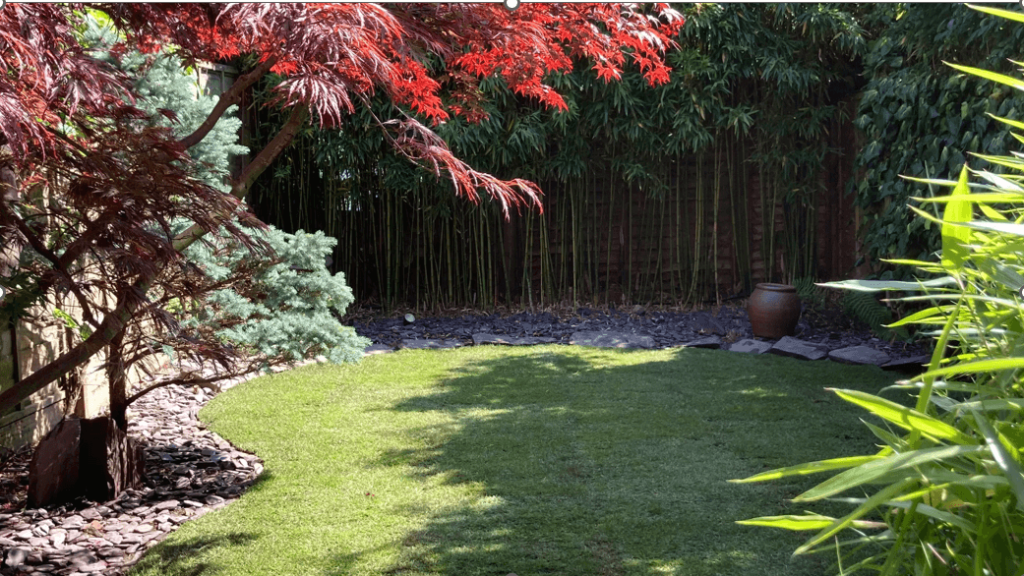
Design Approaches for Different Garden Styles
Contemporary Garden Design
Modern garden design excels through disciplined restraint:
- Embrace negative space – not every inch needs planting
- Choose a strictly limited palette of plants but use them in larger groups
- Focus on form over flower – select specimens with architectural presence
- Create geometric planting beds that echo built elements
- Use single-species hedging for clean, defined edges
Contemporary design often benefits from careful night-time lighting design as part of the overall scheme. Simple uplighting of structural plants or spreading light across textured surfaces can transform the garden after dark, particularly important in urban settings where gardens are often viewed from inside during darker months.
Natural Garden Design
Creating gardens that feel effortless requires sophisticated design knowledge:
- Work in drifts and interwoven plantings rather than blocks
- Select plants that share ecological preferences to create sustainable communities
- Blur the edges between different planting areas
- Incorporate seedheads and winter structure for year-round interest
- Allow controlled self-seeding to create natural-looking patterns
This design approach is particularly suitable for London’s climate. Choosing the right mix of plants means reduced maintenance compared to traditional herbaceous borders, while still offering tremendous seasonal change and wildlife value.
For naturalistic designs to function in smaller spaces, editing becomes crucial. While a country meadow may feature dozens of species, a small urban interpretation might use just 15-20 carefully selected plants repeated in a designed pattern that mimics natural distribution without becoming chaotic.
Transitional Garden Design
For spaces that bridge traditional homes with contemporary lifestyles:
- Structure the space with formal elements like hedging or symmetrical beds
- Fill these frameworks with looser, more naturalistic plantings
- Create clear circulation paths with informal plantings spilling over edges
- Use traditional materials like brick or stone with cleaner, simplified designs
- Limit colour palette for sophistication while maintaining plenty of texture
Successful transitional gardens often employ a strategy of “formal bones, informal flesh” – using structured, often evergreen elements to create a framework that’s then softened and animated by more dynamic planting. This approach ensures the garden looks intentional even in dormant seasons.
Formal Garden Design
Though less common in modern landscape design, formal approaches still have their place, particularly for period properties:
- Use symmetry and geometric patterns to create a sense of order
- Employ topiary and cloud-pruned shrubs as living sculptures
- Create distinct garden “rooms” separated by hedging or walls
- Use cohesive material and planting palettes throughout
- Consider traditional features like parterres or knot gardens in contemporary interpretations
Even small London gardens can incorporate formal design elements effectively. A simple grid of four raised beds with a central focal point can create a satisfying sense of order in minimal space, while clipped forms provide year-round structure where seasonal planting might be limited.

Practical Implementation Steps
1. Create a Detailed Design Plan
Before purchasing a single plant, develop a scaled plan that shows:
- Existing features to be retained
- Structural plantings and their mature sizes
- Seasonal planting areas
- Circulation routes
- Key viewpoints and focal areas
Include a planting schedule listing quantities and sizes of each plant, and consider creating mood boards or reference images to clarify the intended aesthetic.
2. Prepare Thoroughly
Soil preparation is the foundation of successful soft landscaping. Invest time in:
- Removing perennial weeds completely
- Improving soil structure with appropriate amendments
- Installing irrigation systems before planting
- Addressing drainage issues
- Adding quality, peat-free compost to planting areas
The difference between mediocre and exceptional plant establishment often comes down to this preparation phase – rushing it inevitably leads to ongoing problems.
3. Phase Implementation If Necessary
Large projects benefit from strategic phasing that:
- Prioritises structural elements and key focal points
- Allows budget to be spread over time
- Enables learning from early phases to inform later decisions
- Creates lived-in maturity in certain areas while others develop
- Maintains garden functionality throughout the process
A well-planned phasing strategy ensures the garden maintains coherence even during development, with each stage feeling complete while setting the foundation for subsequent additions.
4. Document for Future Reference
Create a maintenance calendar and plant inventory that notes:
- Seasonal care requirements for each major plant type
- Pruning schedules and techniques
- Division or replacement timetables
- Fertilisation needs
- Pest and disease watch points
This documentation proves invaluable as the garden matures, especially when dealing with plants that might not require attention for several years at a time.

Why Design-Focused Soft Landscaping Matters
A well-designed garden does more than look good – it functions effectively, feels harmonious, and creates emotional connections. Our clients consistently tell us their professionally designed natural gardens have become essential to their wellbeing and social lives.
As urban living intensifies, access to thoughtfully designed green space becomes increasingly vital for mental health, environmental quality, and community connection. Gardens designed with intention provide respite from digital overwhelm and create spaces for authentic engagement with nature’s rhythms.
Through thoughtful soft landscaping design, you’re not just arranging plants – you’re crafting experiences, framing views, and creating spaces that invite interaction with nature. This considered approach transforms ordinary outdoor spaces into extraordinary extensions of your home.
Get Expert Design Help
With over 50 combined years of garden design experience, our team at The Southwest London Gardener specialises in creating soft landscaping designs that balance beauty with functionality, ecological sensitivity with human needs.
Whether you’re looking for a complete garden transformation or simply need help refining your planting design, we’d love to help you create a soft landscape that exceeds your expectations.
Contact us on 07966 554841 or email enquire@thesouthwestlondongardener.co.uk to discuss your garden design aspirations.