
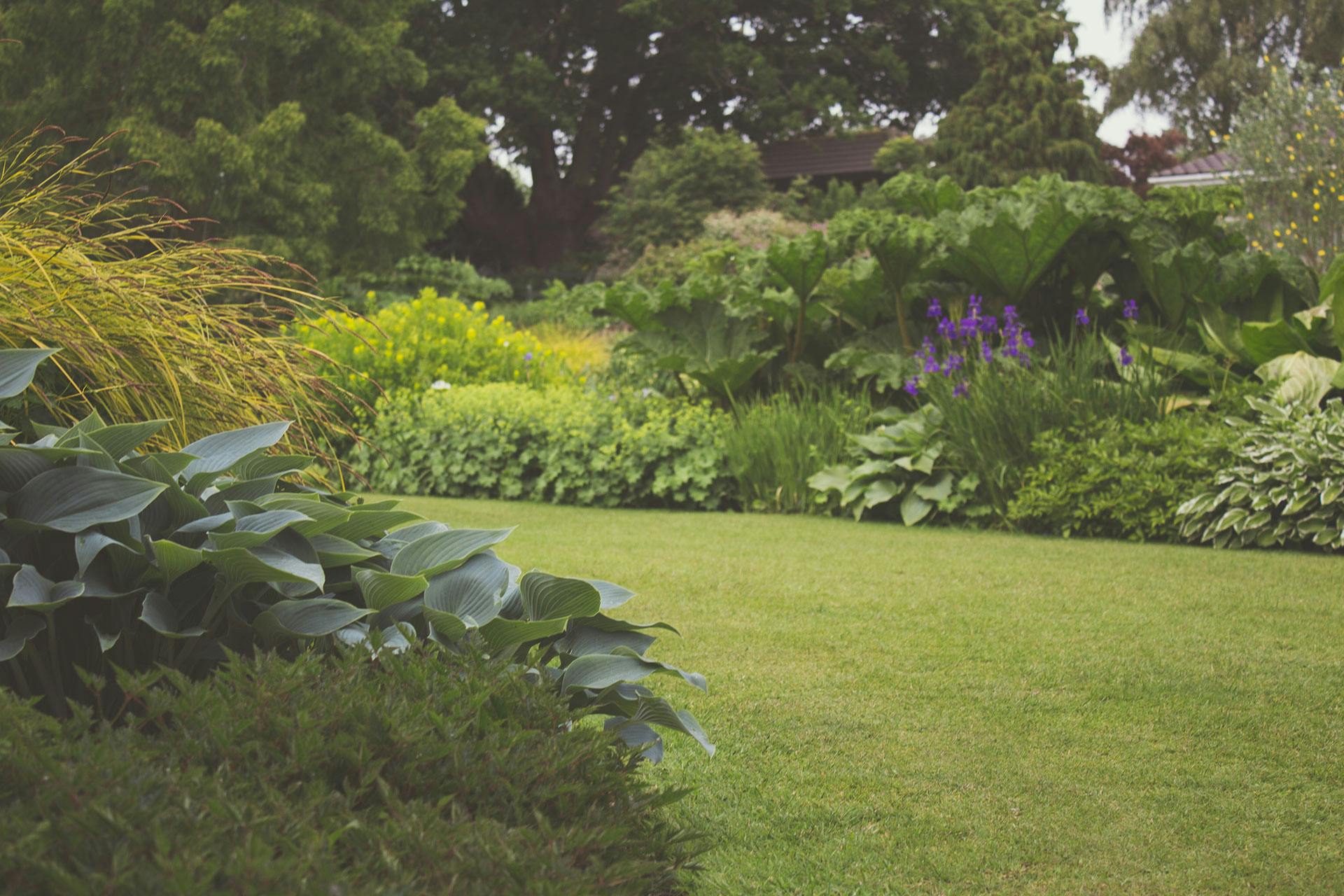
A garden should feel like an extension of your home. It should be somewhere you’re drawn to, whether for a quiet moment, a family gathering, or simply enjoying the seasons. But over time, even the best-designed spaces can start to feel tired or disconnected from your life. Plants overgrow, paving sinks, and features that once worked perfectly no longer match how you use your outdoor space.
The tricky thing is, change happens gradually. Because you see your garden every day, you may not notice how much it’s drifted from what you need. That’s why it helps to step back and take a hard look.
Here are 10 signs it’s probably time for a proper garden makeover; one that works with your current lifestyle, suits the conditions, and still looks great years from now.
At The Southwest London Gardener, we have spent years transforming gardens in and around London, and we’ve seen many gardens left unused and unloved for far too long. When you need a change it’s best to act quickly, and we’ve created this guide to help you spot the telling signs your garden needs a bit of a change.
Let’s take a look.
1. You Rarely Spend Time in It
If you find yourself staying indoors even when the weather’s perfect, your garden isn’t doing its job. It should feel inviting, easy to use, and worth spending time in.
Sometimes the problem is practical, such as there being nowhere comfortable to sit, no shelter from wind, or poor lighting that cuts the evening short. Other times, it’s about atmosphere. Maybe the garden feels too cramped, too bare, or simply uninspiring.
A makeover can address both. Adding a sun-trap seating area, creating better flow from the house to the garden, or framing views with planting can instantly make the space more appealing. Once you want to spend time outside, the rest of the design starts to make sense again.
2. The Layout No Longer Fits Your Lifestyle
The garden you designed (or inherited) years ago may no longer fit the way you live today. Perhaps you now have young children or grandchildren, and the once-prized pond is now a hazard. Maybe you entertain more often and need space for a large table, or you’ve taken up gardening and want more planting beds.
A good garden makeover rebalances the space. That could mean carving out an outdoor kitchen, adding a flat lawn for play, or creating distinct areas for relaxation, growing, and dining. It’s about matching the layout to how you actually use the garden now, not how you imagined you would years ago.
3. Planting is Overgrown, Bare, or Both
Plants don’t stay the same size forever. Some will outgrow their spot, swallowing paths or blocking light. Others might fail to thrive, leaving gaps that make beds look patchy and unloved.
Overgrown planting can make a garden feel smaller and darker, while sparse planting leaves it feeling empty and unwelcoming. A makeover lets you reset the balance. You can prune or remove plants that dominate, replace struggling ones with species that suit your soil and light, and design for year-round interest with a mix of structure, seasonal colour, and texture.
Whenever possible, we relocate healthy plants to new positions rather than replacing them. This is a great way to keep plants with established maturity while still refreshing the look.

4. The Same Problems Keep Coming Back
If you’ve been dealing with the same issues season after season, such as puddles in one spot, slippery moss on paths, or weeds that return no matter what you do, it’s usually a sign the underlying design isn’t right.
Temporary fixes won’t last. A proper garden makeover addresses the cause. That might mean improving drainage, swapping out materials for something better suited to the conditions, or rethinking the planting in problem areas. For example, if your lawn never recovers in the shade, replacing it with shade-loving planting or a seating area may be a better long-term solution.
5. Hard Landscaping is Past Its Best
Cracked paving, rotting decking, leaning walls – these aren’t just cosmetic problems, they can be safety hazards. Materials have lifespans, and once they’ve reached the end, repairs become more frequent and less effective.
Replacing them with quality, durable alternatives not only improves safety but instantly lifts the whole garden. Where existing structures are sound, they can often be restored or repurposed. Old paving can be cleaned and reused in a different part of the garden, weathered brick can be incorporated into new walls, and even worn decking can sometimes be salvaged for raised beds or edging, so don’t be afraid to reuse materials. In many cases, reusing can help to provide a stunning effect that suits the garden perfectly.
6. You Have Wasted or Unused Space
Shady corners where nothing grows, awkward strips behind sheds, or large stretches of lawn that no one walks on – wasted space is common in older gardens. Over time, these areas can make the whole garden feel underused.
A makeover can turn them into something valuable. That might mean creating a secluded seating nook, installing raised beds for vegetables, or adding wildlife-friendly planting. Even narrow or awkward spaces can become pathways, storage areas, or spots for climbers that add height and interest without taking up precious room.
7. It’s Too High-Maintenance for Your Schedule
If you dread the thought of garden upkeep, the design might be demanding more time than you can give it. Expansive lawns, fussy planting schemes, or constant pruning requirements can become a chore.
A makeover can free up your weekends. Replacing high-maintenance lawns with planting or gravel, choosing hardy, resilient plants, and using mulch to suppress weeds can keep your garden looking good with minimal effort. This is about working with your available time and energy, so your garden feels enjoyable instead of like another job on the list.
8. It Feels Disconnected from Your Home
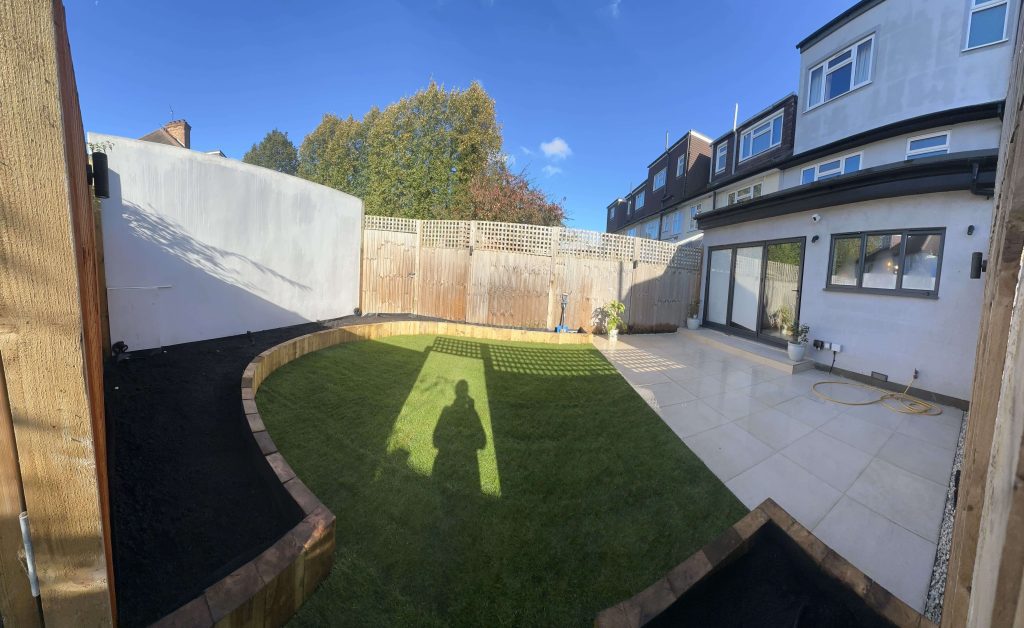
A great garden feels like a natural extension of the house. If stepping outside feels like entering a completely different, unconnected space, you lose that flow.
Linking the two can be as simple as echoing indoor materials outside, such as continuing floor tiles to the terrace, using similar colour palettes, or aligning planting with the view from key windows. A makeover can also reposition features so they relate better to the house, making it easier and more inviting to use the garden in everyday life.
9. Lighting is Non-Existent or Ineffective
Without lighting, your garden loses half its potential. You can’t enjoy it after dark, and you miss the chance to highlight planting or features in the evening.
A makeover is the perfect time to integrate lighting from the ground up. Subtle, low-level lights along paths make them safe. Spotlights on key plants or features create drama, while warm lighting around seating areas makes them usable well into the night. Energy-efficient LEDs and solar options keep running costs low while giving you the flexibility to enjoy the garden whenever you want.
10. It Just Feels Tired
Sometimes, there’s no one major problem, but just an overall sense the garden has lost its spark. Colours look faded, planting feels uninspired, and the space lacks the character it once had.
A full makeover lets you breathe life back into it. That might mean introducing a fresh planting palette, adding features that suit your lifestyle, or rethinking the structure entirely. The key is to design for longevity and aim to create a garden that will still feel fresh and relevant in years to come.
Ready to See What’s Possible?
If more than a few of these signs sound familiar, it’s time to stop patching and start rethinking. A garden makeover can transform not only how your space looks but how you live in it.
At The Southwest London Gardener, we design and build gardens that work for your lifestyle, suit your site conditions, and look good through every season. Whether you want a subtle refresh or a full transformation, we can help you get there through our soft landscaping and natural gardening techniques.
Call us on 07966 554841 or email enquire@thesouthwestlondongardener.co.uk to arrange a consultation – and let’s create a garden you’ll want to spend time in every day.