
Introduction
Gardening in London offers many joys, from creating lush green spaces to enjoying seasonal blooms. However, maintaining a beautiful garden in this urban environment also presents challenges, mainly when dealing with pests. If left unchecked, common garden pests can cause significant damage to plants, ruining the hard work you’ve invested in your garden. At The Southwest London Gardener, we believe that with the proper knowledge and strategies, you can effectively manage these pests, keeping your garden healthy and vibrant throughout the year.
Understanding Garden Pests
Garden pests come in many forms, each with its way of attacking plants. These pests can range from tiny insects to larger animals, all of which can disrupt the growth and health of your garden. Understanding the types of pests that commonly affect London gardens is the first step towards effective pest control. Knowing what to look for and how to address these issues can protect your plants from damage and ensure your garden thrives.
Common Garden Pests in London
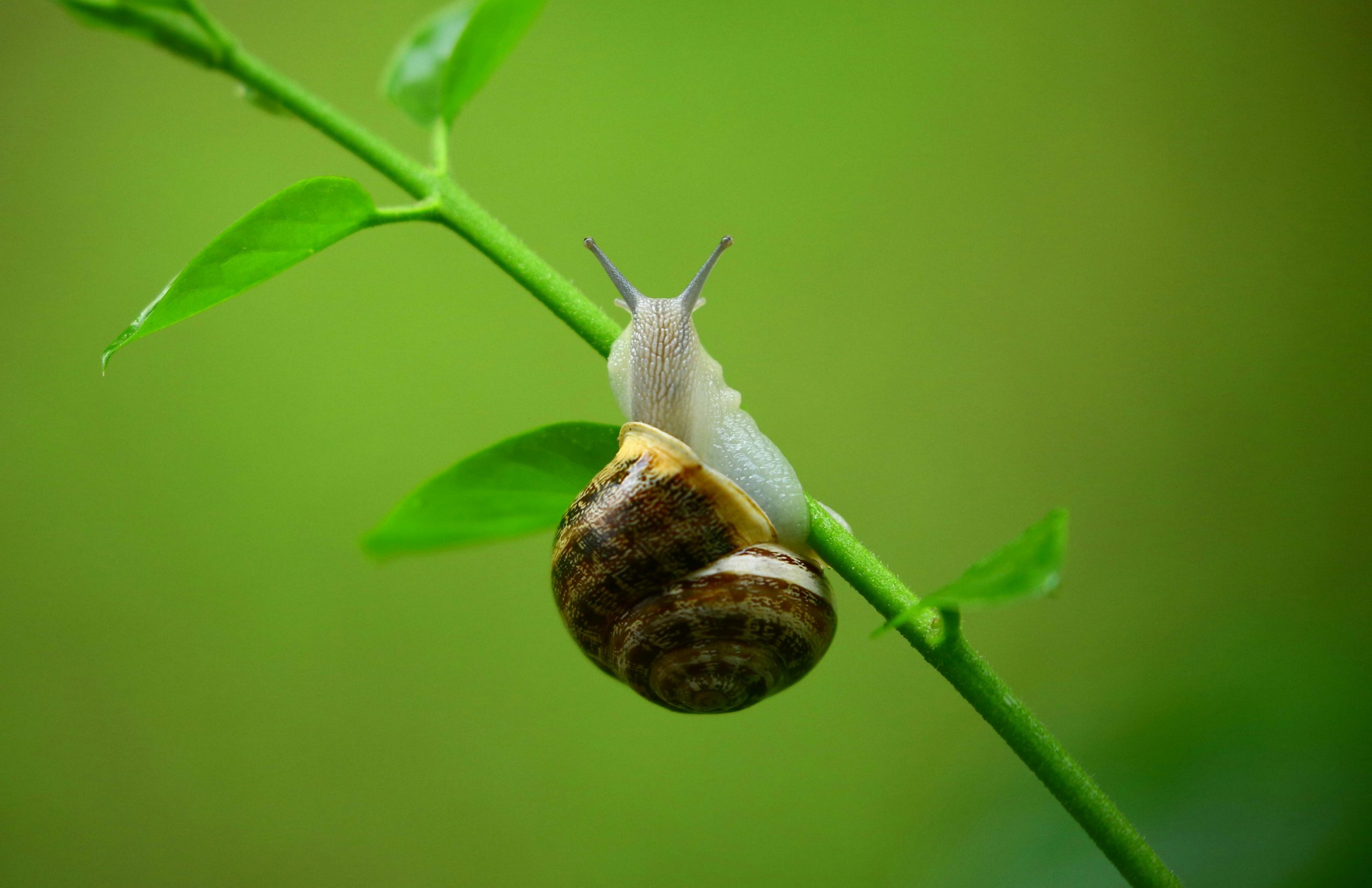
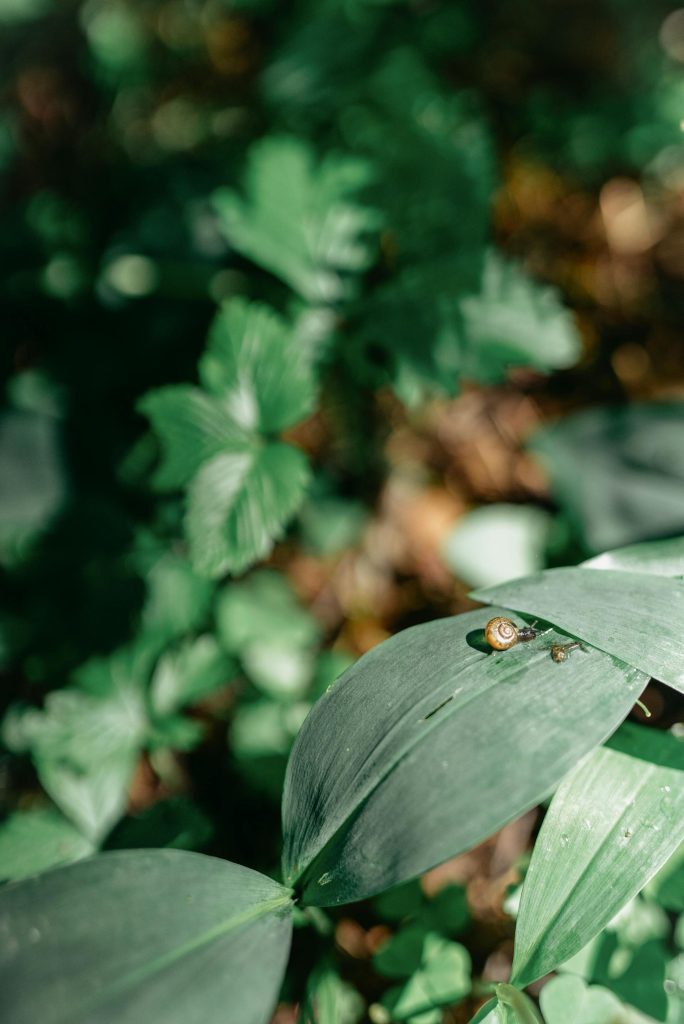
London gardens are particularly susceptible to a variety of pests. Slugs and snails are the most common, often emerging at night to feast on tender leaves and stems. Aphids, small sap-sucking insects, can multiply rapidly, weakening plants by draining them of nutrients. Vine weevils are another prevalent pest, with their larvae attacking plant roots, causing plants to wilt and die. Though often associated with butterflies, caterpillars can be destructive as they munch through foliage. Spider mites, tiny arachnids, can cause leaves to turn yellow and drop prematurely. Ants, while generally harmless, can farm aphids, worsening infestations. Birds, particularly pigeons, can also pose a threat by pecking at seeds, fruits, and young plants.
Signs of Pest Infestation
Detecting pest problems early is crucial to preventing widespread damage. Visible damage, such as chewed leaves, holes in fruits, or stripped stems, is obvious evidence of pest activity. Wilting or yellowing leaves may indicate root damage caused by pests like vine weevil larvae. Holes in leaves, particularly those with a ragged appearance, often point to the presence of slugs, snails, or caterpillars. Recognising these signs early can help you take swift action to mitigate further damage.
Prevention Strategies
Preventing pests is always better than dealing with an infestation. Regularly monitoring your garden allows you to spot potential problems before they escalate. Healthy soil management, including organic matter and proper drainage, strengthens plants, making them less susceptible to pests. Companion planting can also be an effective strategy where certain plants are grown together to repel pests. Additionally, mulching your garden beds helps retain moisture while deterring pests like slugs and snails from reaching your plants.
Natural Pest Control Methods
Natural control methods are often the preferred choice when dealing with pests. Beneficial insects such as ladybirds and lacewings can be introduced to control aphids and other pests naturally. Organic sprays made from ingredients like neem oil or garlic can repel pests without harming the environment. Handpicking pests like slugs and caterpillars can be effective in small gardens, while barriers such as copper tape can deter slugs and snails. Traps, such as pheromone traps for vine weevils, can also be used to reduce pest populations.
Chemical Pest Control Options
While natural methods are ideal, there are times when chemical controls may be necessary, particularly in severe infestations. If you decide to use chemical pesticides, it is essential to choose products that are safe for your specific plants and apply them according to the instructions to minimise environmental impact. At The Southwest London Gardener, we recommend using chemicals as a last resort and always considering the potential effects on beneficial insects and surrounding wildlife.
Seasonal Considerations for Pest Control
Pest control in London gardens is not a one-time effort but an ongoing process that requires attention throughout the year. In spring, early intervention is critical to preventing pests from establishing themselves. Summer often sees increased pest activity, necessitating regular checks and control measures. Autumn is the time to focus on preventing pests from overwintering in your garden. Adjusting your pest control strategies to the seasons lets you keep your garden healthy year-round.
Conclusion
Dealing with garden pests in London requires a proactive approach that combines prevention, natural control methods, and, when necessary, chemical solutions. At The Southwest London Gardener, we understand the unique challenges that urban gardens face, and we are here to help you maintain a beautiful and pest-free garden. By staying vigilant and employing various strategies, you can enjoy a thriving garden that provides beauty and sanctuary throughout the year.