
You noticed it a few weeks ago. That tree in the back corner hasn’t leafed out. The shrub by the fence looks brittle and grey. A couple of border plants have gone crispy due to the lack of rain, and now you’re standing there wondering what to do about it.
The cause of death matters more than you’d think. A tree killed by honey fungus and a tree killed by drought need very different handling, and getting that wrong can spread problems across your garden. We deal with this across Southwest London all year round, from small annuals that didn’t survive the winter to mature trees that need a qualified surgeon to take them down. The process follows a logical order: confirm the plant is dead, figure out what killed it, remove it the right way, then dispose of or repurpose the material and prepare the ground for whatever comes next.
Skip a step, and you risk replanting into contaminated soil, composting diseased material that infects your heap, or removing a tree that turns out to be protected by law. This guide takes you through the whole process so you can handle dead garden material with confidence.
How to Tell if a Tree or Plant Is Dead
Before you reach for the saw, make sure the plant is genuinely gone. Plenty of plants look dead at certain times of year and bounce back once conditions change. Perennials vanish until spring. A mature hydrangea looks like a bundle of dead sticks in January and could be covered in flowers by July. The temptation to rip something out because it looks lifeless in February has cost gardeners across Twickenham and Wandsworth more money than most would care to admit.
Perform a Scratch Test
Take a coin or your thumbnail and scrape a small section of bark off a stem. You’re looking at the cambium layer just beneath. Green and moist means the plant is alive. Brown, dry, and crumbly means that section is dead. Start on the outer branches and work your way down toward the base. One dead branch doesn’t condemn the whole plant, but if you reach the main trunk and find nothing but dry brown tissue, you’re looking at a dead tree.
Check the Roots
Dig around the base and expose some of the root system. Healthy roots are firm, white, and snap cleanly. Dead roots are soft, mushy, dark brown or black, and in advanced cases they smell foul. Root condition also gives you clues about the cause. Waterlogged, rotten roots point to drainage problems. Dry, shrivelled roots suggest drought. Small white C-shaped grubs in the soil around the roots are vine weevil larvae, which chew through root systems from below while the plant above looks fine until the day it collapses.
Identify Why the Plant Died
The cause determines what you do with the dead material. Diseased plants need treating very differently from healthy ones that reached the end of their life.
Check for Pests and Diseases
Vine weevil is the most common culprit in London gardens, with larvae eating through roots underground while adult beetles notch leaf edges on some shrubs. Scale insects, bark beetles, and aphid infestations all cause damage too, but pest-killed material is usually safe to compost.
Fungal diseases are where disposal gets more complicated. Honey fungus is the big one in UK gardens. You’ll recognise it by white fungal growth beneath the bark at the base, black bootlace-like rhizomorphs in the soil, and clusters of honey-coloured toadstools in autumn. Bracket fungi on a trunk indicate internal decay, while coral spot (small orange or pink raised dots) tends to colonise wood that’s already dead.
The critical thing: you cannot compost material infected with honey fungus or other aggressive fungal diseases. You cannot chip it and leave it in the garden. Infected material needs to go to a licensed waste facility, or you can burn dry infected wood where your local council permits.
If your investigation turns up no signs of disease, the dead material is safe for your compost heap. Shred woody stems first so they break down faster. Home compost heaps don’t reach temperatures high enough to kill fungal spores, so if you’re in any doubt about disease, keep it out.
How to Remove Dead Trees Safely
Check Legal Protections
Some trees carry Tree Preservation Orders, and removing one without consent is a criminal offence with substantial fines. Check your local council’s planning department or online register. If your garden sits within a conservation area (parts of Wandsworth, Putney, Barnes, and Twickenham all have them), you need to give six weeks’ written notice before removing any tree with a trunk diameter over 75mm. The Wildlife and Countryside Act means you also cannot remove trees during nesting season (March through August) if birds are present.
Hire a Professional When Needed
A small dead tree in an open space might be a job you can handle with a handsaw. Anything tall enough to reach a structure, a fence, or overhead wires when it falls warrants a qualified tree surgeon. Dead wood is unpredictable and brittle, and a ladder combined with a chainsaw is responsible for a dismaying number of hospital visits every year. We work with trusted tree surgeons across Southwest London and can recommend someone.
Remove the Stump
For smaller stumps, leave a metre of trunk as a lever, dig around the root ball, cut the anchor roots, and rock it free. London clay makes this harder because the soil clings to everything. For larger stumps, a stump grinder gets the job done in an hour or two. If the tree died from honey fungus, be aware that grinding doesn’t remove all infected root material from the soil. Talk to your arborist about the best approach.
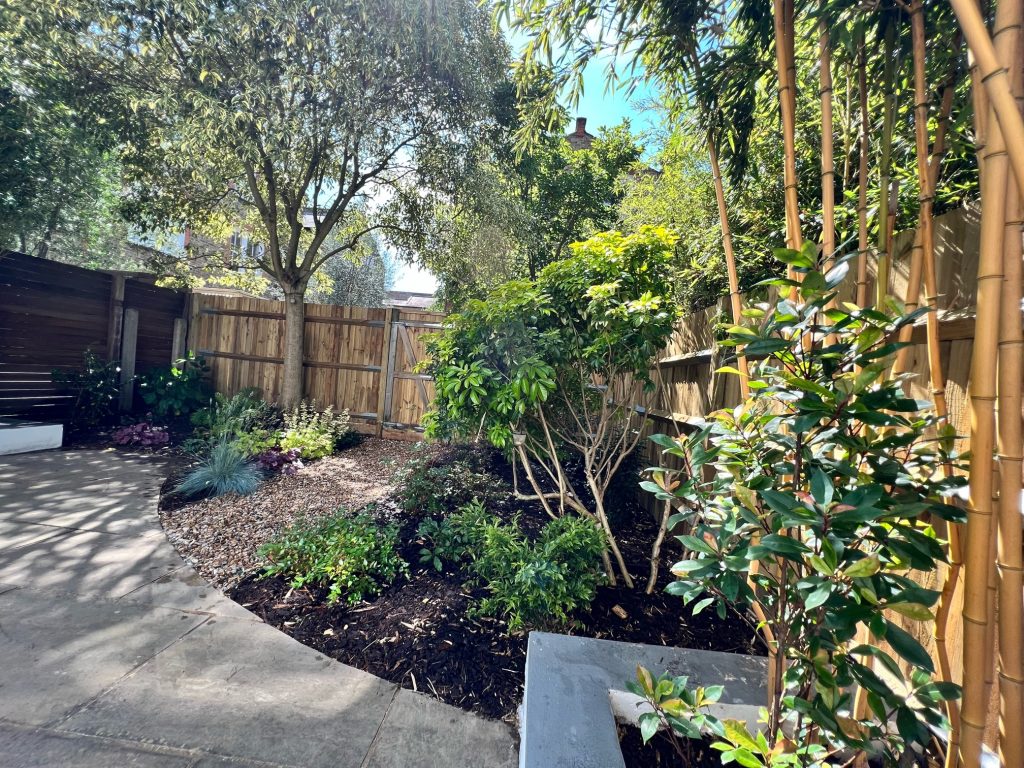
How to Remove Dead Garden Plants
Dead annuals are the easiest. Grab the base, pull, shake off the loose soil, and compost. Spent vegetable plants follow the same process, though brassicas with clubroot (swollen, distorted roots) need to go in council green waste rather than your compost.
Dead shrubs need a spade worked around the root ball in a circle, then levered up and out. Larger specimens with woody root systems sometimes need a pickaxe or mattock, and your back will thank you for taking breaks rather than trying to wrestle a dead viburnum out of heavy clay in one go.
Perennials often don’t need digging out because the root system below may still be alive. Leave the dead stems standing through winter to shelter overwintering insects, then cut them back to ground level in late February before new shoots emerge. If nothing appears by late spring, dig the whole thing out.
How to Dispose of Dead Trees and Plants
Healthy dead material goes on your compost heap. Soft material decomposes in months, and woodier stems just need chopping or shredding first. Dead garden plants are carbon-rich brown material, and most gardens produce too much green waste relative to brown, so that dead foliage is doing your compost a favour.
Diseased material cannot go in the compost, cannot sit in a pile in the corner, and cannot be chipped and spread around other plants. Bag it and take it to your local council tip, or check whether your green waste collection accepts it. Our green waste removal service handles both healthy and diseased material, and we make sure everything goes through licensed channels.
Ways to Repurpose Healthy Dead Wood
Disease-free dead wood supports more life than most gardeners realise. A standing dead trunk (a wildlife snag) left in a safe location gives woodpeckers, bats, and solitary bees a home. Have a tree surgeon reduce it to a safe height, and you’ve got a wildlife feature that does more for your garden’s ecosystem than a replacement sapling will for a decade.
Log piles stacked loosely in a shady corner provide shelter for hedgehogs, frogs, and slow worms within a single season. Stumperies, made from upturned root plates and trunk sections planted with ferns, create sculptural features that look dramatic and support wildlife at the same time. We created habitat features like these in our Wildlife Lover’s Garden project in Worcester Park, where dead wood became a centrepiece rather than waste.
Smaller branches run through a shredder to produce wood chip mulch you can spread 5 to 8cm deep around established shrubs, and sound sections of trunk make stepping stones, pot pedestals, or casual seats in shady corners.
Restore Soil After Plant Removal
If the dead plant was in a pot, scrub it with a stiff brush and soak it in a one-part-bleach-to-nine-parts-water solution for thirty minutes before replanting. Don’t reuse the old compost.
For ground planting, resist putting the same species back in the same spot. Replant disease occurs when soil pathogens specific to a plant family build up and attack newcomers of the same type. Choose something from a different family, or dig out a generous amount of existing soil and replace it with fresh topsoil. Work organic matter into the planting area, give the soil a few weeks to settle, and you’ll give the new plant the best start.
When to Call in Professional Help
Pulling dead annuals, composting healthy waste, cleaning pots. None of that requires specialist knowledge. Tree removal, stump grinding, diagnosing obscure fungal diseases, large-scale clearance of a neglected garden full of dead and dying plants: those are situations where professional help saves you time, money, and a potential trip to A&E.
If you’re unsure whether a tree has a TPO, a professional can check for you before any work begins. If you suspect honey fungus but aren’t certain, an experienced gardener can confirm the diagnosis and advise on the best course of action to protect nearby plants. If the sheer scale of the clearance feels overwhelming after a harsh winter or a long dry summer, that’s exactly the kind of job we handle regularly.
We’re also the team to call when you’ve cleared the dead material and want to think about what comes next. Replanting isn’t about filling gaps. It’s a chance to rethink your planting scheme, improve soil conditions, and choose plants better suited to the specific conditions in your garden. The people who clear the ground and the people who replant it should be the same team, and our garden maintenance clients across Wandsworth, Twickenham, and Teddington rarely face large-scale plant death because we catch problems early, before a stressed plant becomes a dead one.
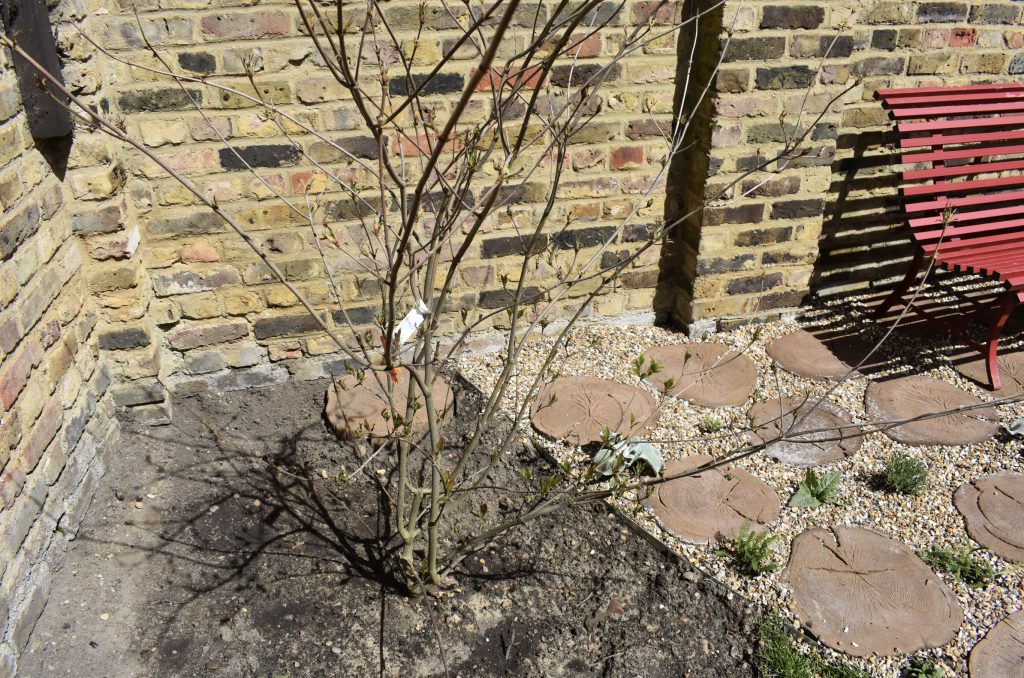
Making the Most of a Bad Situation
Finding dead trees and plants is never the news you wanted, but handling the process well leaves your garden in a stronger position than before. You’ve diagnosed the cause, so you know what to watch for going forward. You’ve removed the material and either composted it or repurposed it into habitat that benefits your garden’s ecosystem. You’ve cleaned and prepared the planting area so the next generation gets the best start.
Dead wood left as a wildlife snag or log pile turns a loss into genuine ecological value. Composted healthy material feeds the soil for years. Even the empty space where a dead tree stood is an opportunity, whether that’s a new patch of light in a shaded border, room for a seating area, or the chance to plant something you’ve been wanting to try.
If you’d like us to take a look at your garden, get in touch and we’ll arrange a visit.