

Most gardens really only get used for a handful of weeks. There’s that lovely stretch in July when the cushions come out and the barbecue finally gets lit, and everyone makes a quiet promise to spend far more time outdoors than they actually will. Come the first proper chill of autumn, though, the furniture vanishes under a cover and the garden goes back to being something you look at through the window rather than somewhere you live.
A garden set up for entertaining all year round behaves very differently. It turns into the spot where friends settle in for a slow lunch in spring, then the place you wrap up warm with a drink once the nights draw in, still inviting even when the frost has arrived. The shift is mostly about intention. You stop hoping the weather cooperates and start building for the weather you genuinely get, which in this country means rain, wind and the occasional glorious surprise.
None of that calls for a sprawling plot or a frightening budget either, which tends to be the worry that stops people before they start. The thing that actually makes the difference is a plan that treats the garden as another room of the house rather than a patch you only wander into when the sun’s out. Get the structure sorted, give yourself somewhere sheltered and warm to sit, and lean on planting that pulls its weight from one month to the next, and you end up with a space that keeps tempting you outside whatever the sky is up to.
What Is a Year-Round Entertainment Garden?
At its simplest, it’s outdoor living that doesn’t quietly shut down once autumn arrives. The space stays comfortable and good to look at across every season rather than just the warm middle of the year, and that comes from anticipating the weather instead of merely reacting to it. An ordinary garden waits to see what the day brings. A garden built for this thinks ahead, so there’s cover when the rain decides to come in sideways, gentle heat for the cold evenings, and enough light to keep the place alive through those winter afternoons that go dark embarrassingly early. The question you find yourself asking shifts from whether it’s nice enough to go out, to where exactly you fancy sitting tonight.
Why Create a Garden Designed for All Seasons?
The plain truth is that you’ve paid for that ground, so letting it sit idle for the bigger part of the year is a bit of a shame. The more compelling reason has to do with how a garden that works changes the feel of home. Suddenly there’s more room to breathe and more reason to put the phone down, and you notice yourself drifting outside with a coffee before anyone else is up, purely because being out there feels good.
Lifestyle and social benefits
Something about hosting outdoors loosens people up in a way a formal table never quite manages. Gathered round a fire pit on a cool evening, guests talk more easily and stay far longer than they would indoors, which is exactly what you want from a get-together. A garden that holds its comfort into October lets you throw a birthday do that spills out of the house, with a long table set up under cover so a bit of drizzle never sends anyone running. That same sheltered corner does double duty on a quiet day as well, becoming the place you take a book or a phone call, and that everyday usefulness is worth as much as the entertaining.
Indoor-outdoor living advantages
The clever part tends to happen right at the threshold. With the patio sitting level with the kitchen floor and the doors folding fully back, the line between inside and out more or less disappears. People drift through with their drinks, food travels out without anyone stumbling on a step, and on a mild evening the whole ground floor seems to double in size. Keeping the flooring tones close on either side of the door, leaving the view through uncluttered, and lighting both spaces with a similar warmth all help that crossover feel natural rather than abrupt.
Planning Functional Garden Zones
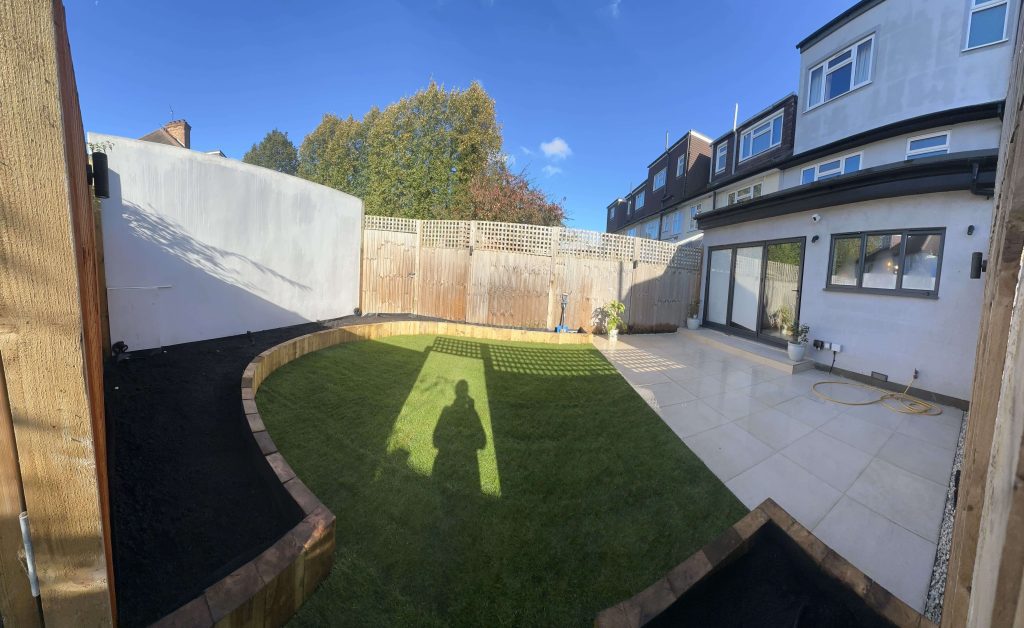
A garden that hosts well tends to behave like a house with several rooms rather than one big open lawn, because once each area has a clear job, the whole space starts working harder for you.
Your dining spot wants to sit near the kitchen on level paving that’s generous enough to push chairs back without catching a heel on the grass. Allow for a table that seats the crowd you genuinely have round, with a bit of slack for the nights two more turn up, and a pergola or cover above it turns a fair-weather corner into somewhere you’ll happily eat through a passing shower. A separate lounging area then changes the whole mood of an evening, since this is where the soft, sink-into furniture lives, arranged around a low table and a fire feature for once the food is cleared away. Tuck it against a wall that’s been soaking up the day’s warmth, and it stays usable far later than you’d expect. Worth considering too is a seat set right at the bottom of the garden where the last of the light falls, because giving people a reason to stroll down and settle somewhere new makes even a modest plot feel like it has corners to discover.
Shelter and Weather Protection
This is the part that quietly turns a summer garden into one you use all year, since proper cover means the British climate stops dictating your social life. A pergola in timber or aluminium gives you instant structure and a comforting sense of enclosure, and fitting it with a roof takes things further, letting you angle the slats for shade on a bright day and shut them tight the moment the heavens open. For something less permanent, a retractable awning fixes to the house and rolls out over the patio at the touch of a button, which suits those maddening in-between days that can’t make their mind up.
When you want the real thing, usable in the depths of winter, a pavilion or enclosed garden room is where to look. Give it a solid roof, glazed sides and a heater in the corner, and it becomes somewhere you’ll actually choose to eat dinner while frost settles on the lawn just beyond the glass. Spaces like that have a funny way of turning into everyone’s favourite spot before long.
Lighting and Heating Design
Two things bring an evening outdoors to an early close, namely the dark and the cold, so dealing with both is what hands you back those long winter nights. Begin low, with soft lighting picking out the paths and steps, enough to keep everyone sure-footed once the sun’s gone without blasting the place with glare. Build up from there using light chosen purely for atmosphere, whether that’s a gentle wash up a wall or a few bulbs strung over the table. The cooking area is the exception, wanting something brighter and more focused, and that’s the sort of thing worth wiring in properly rather than fumbling with a head torch.
Heat is the other half of it, and infrared heaters quietly do the best job here. Mounted overhead or on a wall, they warm people and surfaces directly instead of pouring energy into thin air, so you feel the cosiness almost the instant they come on. Add a fire pit or a gas fire bowl alongside, and you get the practical warmth together with that old pull of a flame people can gather round, which is usually what keeps a group outside long after they meant to head in.
Hardscaping and Surface Materials
Your surfaces are effectively the floor of every outdoor room, so they’re well worth getting right early. Porcelain paving has earned its popularity by barely staining, brushing off frost, gripping better than you’d think when wet, and arriving in finishes that pass convincingly for stone or weathered timber. Carrying the same tile from the kitchen out onto the patio is the trick behind that seamless flow between indoors and out.
Composite decking makes a strong case of its own, particularly in a lounging zone where a touch of give and warmth underfoot feels welcome, and the modern boards spare you the splintering, rotting and yearly sanding that real timber expects in return for its looks. The genuine difference between the two comes down to feel, since porcelain reads as cooler and more polished while composite stays relaxed and tactile, so you might happily use one near the dining table and the other where people put their feet up.
Outdoor Kitchens and Entertainment Areas
For anyone who loves feeding a crowd, a proper outdoor kitchen keeps you part of the gathering instead of marooned inside while the fun carries on without you. The cooking gear at its heart depends on how you like to host, so a built-in gas grill handles the everyday while a pizza oven becomes the sort of centrepiece that has guests volunteering to help. Counter space is what saves your sanity once things get busy, giving you somewhere to chop and to rest a hot tray, and a worktop in weatherproof granite or porcelain wipes clean and ignores the rain entirely. Don’t overlook the dull but vital bits like a lockable cabinet to keep utensils dry, a small fridge within reach, and a bin out of sight, since sorting those is what lets the whole setup run as easily as the kitchen indoors.
Multi-Season Planting Strategy
Planting is what keeps a garden from looking like a building site that someone has dropped furniture onto, and the knack lies in choosing things that take their turn in the limelight so there’s always something worth a second glance. Start with an evergreen framework, leaning on the likes of box and yew with a few well-placed grasses for movement, since that backbone holds everything together and looks as composed in January as it does in midsummer.
The seasons then layer themselves over that frame. Spring sends up bulbs and the first layer of blossom, summer thickens into roses and billowing perennials at full tilt, and as autumn cools the grasses light up in the low sun while foliage on plants such as acer turns to fire. Even the dead of winter keeps a cast on stage, from the scarlet stems of dogwood to the early hellebores, with the sharp sweetness of sarcococca stopping you in your tracks on a cold path. Fragrance is the layer most people forget, which is a pity, because slipping jasmine in beside the seating and lavender along a path adds a dimension your guests will feel long before they work out why the garden seems so welcoming.
Furniture and Comfort Features
Leaving furniture out through every season asks a lot of it, so the material you choose matters more than the look. Powder-coated aluminium and good teak both weather the year without much fuss, and cushions wrapped in marine-grade fabric, the same stuff that survives life on a boat, shrug off rain and sun while holding their colour rather than fading to a tired grey after a single summer. The detail that really makes year-round use painless is built-in storage, so a bench with a hollow base or a weatherproof box near the seating gives the cushions somewhere dry to dart the instant a shower threatens, sparing you the usual scramble with an armful of soggy fabric.
Bringing Your Year-Round Garden to Life with The Southwest London Gardener
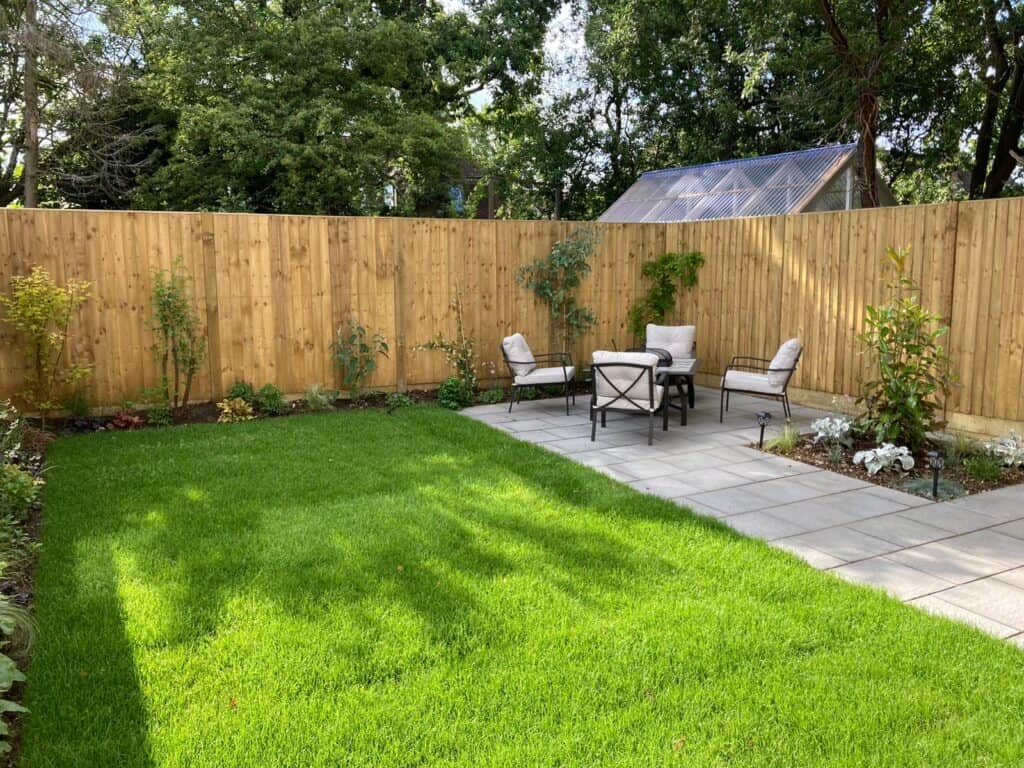
Reading about it is one thing, and standing in a finished garden that works through every season is quite another, which is where having the right people behind the project changes everything. The Southwest London Gardener has spent years turning ordinary plots across Wandsworth, Putney, and Richmond into spaces their owners actually live in rather than simply look at, and that local knowledge counts for a great deal when you’re designing around the way light, shelter and soil behave in this particular corner of the city.
It usually begins by mapping out your zones before a single slab is laid, so the dining spot, the lounging corner and the route between them all sit where they ought to. The structural side then handles everything that holds the garden up, from porcelain paving flowing out of your kitchen to a pergola overhead or the base for an outdoor kitchen built to last. Planting brings the soul, with that multi-season interest threaded through so the garden never falls flat.
You can get a feel for the breadth of work on offer across the full range of gardening services. When you’re ready to talk through your own space, whether it’s a tucked-away courtyard or a complete transformation, a quick conversation is all it takes to set things in motion. Plan your garden as somewhere that’s always ready, and you’ll be surprised how often you choose to be in it, whatever the weather happens to be doing beyond the back door.