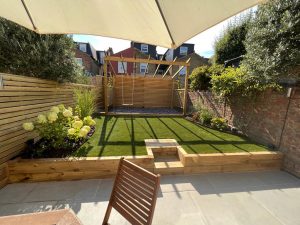


A garden project rarely fails because of lack of ideas. Most falter because those ideas never get shaped into something usable. You might know that the garden feels awkward, underused, or tiring to look after, yet putting that feeling into words can be surprisingly hard. This is where a garden design brief becomes useful, not as a formal document, but as a way of slowing things down just enough to think clearly.
A design brief captures intent. It records how you live now, how you would like to live, and how much compromise you are prepared to accept along the way. It allows the person designing or building the garden to respond to reality rather than assumptions. When that happens, projects tend to feel calmer, decisions become easier, and the finished garden settles into daily life instead of fighting it.
At The Southwest London Gardener, we’ve seen countless projects transform when homeowners take time to create a thorough brief. Whether you’re planning a complete garden transformation or targeted improvements to specific areas, a well-considered brief forms the foundation of successful collaboration.
Why a garden brief matters
Many disappointing gardens look perfectly fine at first glance. The paving is neat. The planting is healthy. Yet something feels off. Seating is in the wrong place. Maintenance feels heavier than expected. Certain areas never get used.
These issues usually trace back to the beginning. Without a clear brief, decisions are made in isolation. One choice seems reasonable, then another is layered on top, until the whole space feels disjointed. A brief prevents this drift by anchoring every decision to a shared set of priorities.
A garden brief also serves as a reference point throughout the project. When questions arise during construction or planting, both you and your designer can return to the brief to check whether a proposed solution aligns with your original intentions.
Before the meeting: preparation and information gathering
Preparation does not mean doing the designer’s job for them. It means understanding your own situation well enough to describe it clearly. Even rough notes are better than relying on memory in the moment.
Define needs versus wants
This is often the most revealing exercise. Needs are the conditions that make the garden workable. Wants are the features that add enjoyment once those conditions are met.
A need might be safe boundaries for children or pets, storage that actually fits daily clutter, routes that work in bad weather, or adequate screening from neighbouring windows. A want might be a water feature, a fire pit, an outdoor kitchen, or a showpiece planting area. Neither category is more virtuous than the other, but confusing them leads to frustration.
Some needs only become apparent when you think through daily routines. Where do bins go? How do you move garden waste? Where do muddy boots dry? These practical considerations often determine layout more strongly than aesthetic preferences.
Set a realistic budget
A shared understanding of budget allows ideas to develop in proportion. It avoids designs that look exciting but quietly rely on assumptions that never matched reality. Your designer can work creatively within constraints when they know what those constraints are.
Consider whether the project needs to happen all at once or whether it can be phased. Some gardens benefit from staged implementation, allowing you to spread costs whilst learning how you use the space. This approach works particularly well for larger gardens or projects where certain elements are more urgent than others.
Remember that budget includes not just construction but ongoing maintenance costs. A cheaper installation that requires expensive annual maintenance may prove more costly over time than a higher initial investment in durable, natural materials like FSC-certified wood and natural stone that age gracefully.
Decide your maintenance level
Maintenance is not an afterthought. It is part of the design.
Some people want a garden that holds together with minimal attention. Others enjoy ongoing involvement and seasonal change. Neither approach is better, but mixing them leads to disappointment.
Be clear about time, energy, and interest. A design that respects those limits will age far better than one that ignores them. Many gardens fail slowly, not because they were badly built, but because they asked too much of their owners.
Think realistically about your gardening knowledge and physical capabilities. A garden designed for an experienced gardener who enjoys weekly maintenance looks very different from one designed for someone who wants to spend their free time using the space rather than maintaining it.
Gather inspiration for style and features
Inspiration helps when it is used carefully. Images without explanation can mislead as easily as they inform.
When collecting images, add notes. What attracts you here? The density of planting? The sense of enclosure? The materials used? The atmosphere created? Sometimes it is not the garden itself, but how it feels to be in it. A single photograph might appeal for reasons that have nothing to do with the actual design,such as the quality of light, the photographer’s skill, or simply a momentary composition.
Equally useful is naming what you dislike. Strong dislikes prevent time being spent on directions you were never going to accept. This is not about taste. It is about efficiency. If you cannot stand formal topiary, knowing this early saves exploring entire design directions that rely on clipped hedging.
Look beyond Pinterest and Instagram. Visit gardens open to the public, notice gardens you pass regularly in areas like Richmond, Barnes, or Wandsworth, photograph spaces that work well. Real gardens in real conditions often provide more useful reference than heavily styled photography. They show how designs age, how plants actually grow in London’s climate, and how spaces function in daily use.
List site constraints and problem areas
Every site has limits. Pretending they are not there only delays dealing with them.
Note areas that flood, bake in summer, or feel exposed. Mention neighbours, overlooking windows, awkward boundaries, or access challenges. These details often dictate layout more strongly than style preferences ever will.
Document existing features that must stay, such as established trees you want to keep, manhole covers that cannot move, underground services, rights of way, or planning restrictions. These constraints are not problems to solve later. They are design parameters that need addressing from the start.
Consider access for construction and future maintenance. Can materials be delivered easily? Is there room for machinery if needed? Will contractors need to move through your house? These practical considerations affect both design possibilities and project costs. Experienced teams familiar with London properties understand these access challenges and can plan accordingly.
During the initial consultation: what to cover
The first meeting sets the tone for everything that follows. It is not about agreeing solutions on the spot. It is about understanding each other.
Walk the site and explain conditions
A walk through the garden reveals patterns that drawings miss. Show where you sit naturally. Where paths form without being designed. Where frustration builds. Where you linger and where you hurry past.
These observations help the designer read the garden as a lived space rather than a blank canvas. Point out the route you naturally take when hanging washing or putting out bins. Show where water runs during heavy rain. Explain which areas feel inviting and which feel uncomfortable, even if you cannot articulate exactly why.
Walk the boundaries and discuss what lies beyond them. Views worth framing, eyesores requiring screening, noise sources, and privacy concerns all influence design decisions. Your designer needs to understand the garden in its context, not as an isolated plot. This is particularly important in urban areas where neighbouring properties sit close together.
Discuss how the garden will be used
Return to daily life. Morning coffee. Evening meals. Children playing. Quiet moments. Guests arriving. Frequency matters as much as activity.
A space designed for occasional gatherings feels very different from one used every day. Saying this out loud shapes decisions more than any style reference. If you eat outside twice a summer, that influences design differently than if you plan to cook and dine outdoors from April through October.
Think about different household members and their needs. Children’s play requirements change as they grow. Elderly relatives may need different access considerations. Pets have their own patterns of movement and behaviour that affect garden design. A natural garden approach can accommodate all these needs whilst creating spaces that support local wildlife and contribute to environmental wellbeing.
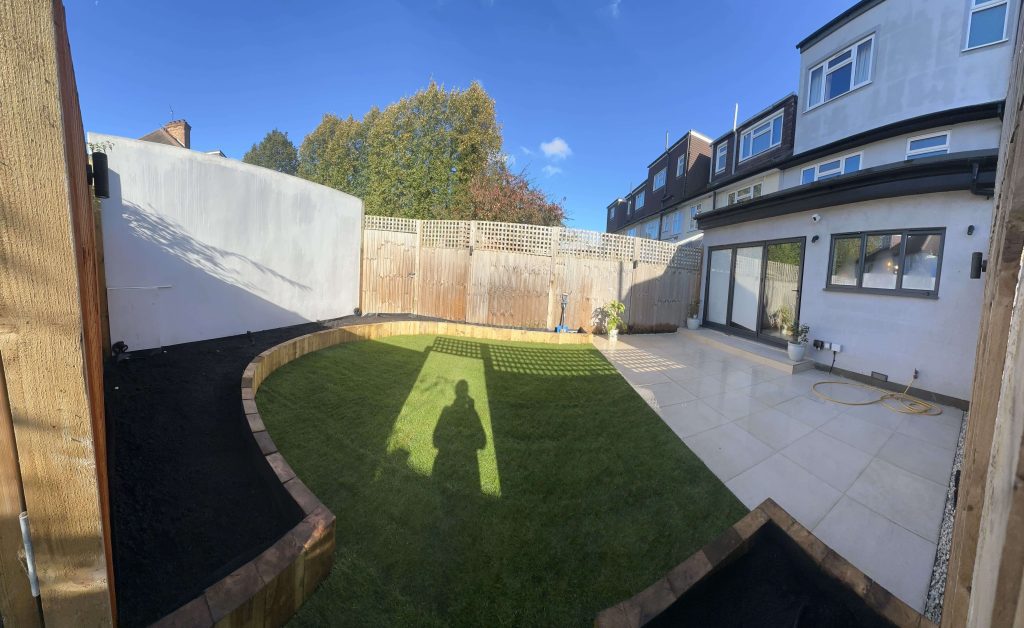
Address privacy and screening goals
Privacy concerns are often vague until discussed properly. Be specific about sightlines, times of day, and seasonal changes.
Screening can be achieved through planting, layout, or built elements, but only once the problem is clearly understood. Sometimes the issue is not a general overlooking but a specific window at a particular height. Sometimes it is sound rather than sight. Occasionally, it is about creating the feeling of enclosure even when actual privacy exists.
Remember that screening works both ways. Trees and hedges that block unwanted views also block your own sightlines and reduce light. Finding the right balance requires understanding exactly what you are trying to achieve and what you are willing to sacrifice to achieve it. Native hedging and carefully positioned trees provide effective screening whilst supporting biodiversity.
Share materials and finish preferences
Materials carry long-term consequences. They affect how a garden ages, how it feels underfoot, how much care it requires, and how it responds to weather.
Even provisional preferences help narrow the field. They also reveal where flexibility exists and where it does not. If you love the look of natural stone but cannot tolerate moss and algae growth, that shapes material choices significantly. If you want low-maintenance paving but object to the appearance of resin-bound surfaces, your designer needs to find alternatives that meet both criteria.
After the meeting: formalising the written brief
Review and refine the summary
A written summary should capture goals, priorities, style direction, budget expectations, maintenance level, and timing. Read it slowly. Read it more than once. Share it with anyone else who will use the garden regularly.
If something feels wrong on the page, it will feel worse in reality. This is the moment to adjust without cost. Changing your mind after construction starts costs time, money, and goodwill. Changing your mind while reviewing a written brief costs nothing.
Finalise what is included and excluded
Scope clarity prevents tension later. Know whether the service covers concept design, detailed drawings, planting plans, sourcing, or oversight. Know whether you are receiving a single concept or multiple options for comparison.
Equally important is naming what sits outside that scope. If ongoing maintenance advice is not included, will it be available separately? If plant sourcing is your responsibility, do you know enough to make appropriate choices? Clear edges make collaboration easier and prevent misunderstandings down the line.
Create a mood board to confirm direction
A mood board brings abstract ideas into focus. Materials, colours, textures, and planting character sit side by side, revealing relationships that descriptions alone cannot capture.
This step often reveals mismatches early. That contemporary paving might clash with the cottage-style planting you imagined. Those bold architectural plants might not suit the soft, naturalistic atmosphere you described. Resolving these conflicts now saves rework later and ensures everyone is truly working toward the same vision.
Common mistakes when creating a garden brief
Even well-intentioned homeowners make predictable errors when preparing garden briefs. Understanding these pitfalls helps avoid them.
- Being too vague about priorities rarely helps. Saying you want a beautiful, low-maintenance garden describes nearly every domestic garden project. Instead, explain that you need morning sun for breakfast but afternoon shade for summer evenings, or that you’re willing to spend two hours weekly on maintenance but no more.
- Focusing on specific features rather than desired outcomes limits creative solutions. If you want a pergola for shade and structure, say that. Your designer might propose alternatives, large canopy trees, architectural planting, or different structures, that achieve the same purpose more effectively for your specific site.
- Underestimating practical necessities like bin storage, hose access, and tool storage creates problems later. These requirements do not disappear. If not properly accommodated from the start, they end up dominating the garden in ways that undermine the overall design.
- Ignoring seasonal variations means designing only for summer. A garden that looks spectacular in June but barren from November through March has limited value in London’s climate. Consider year-round usage and appearance when developing your brief.
Creating gardens that work for life
A garden design brief does not remove uncertainty. It reduces avoidable mistakes. It gives everyone a shared starting point and a way to measure progress. Most importantly, it creates space for thoughtful decisions before concrete is poured or plants go into the ground.
The time invested in creating a thorough brief pays dividends throughout the project. It prevents expensive changes during construction, reduces the risk of disappointment with the finished result, and makes the entire design and build process feel more collaborative and less stressful.
At The Southwest London Gardener, we’ve developed natural, sustainable approaches that work specifically with London’s urban conditions. This means selecting native plants that thrive in local soil and weather, using organic pest control methods, implementing water conservation strategies, and choosing materials that reduce environmental impact whilst ageing gracefully.
With over 50 years of combined hands-on experience working across Southwest London, from Wandsworth to Richmond, Putney to Twickenham, we’ve seen which approaches deliver lasting results in our specific conditions. Whether you need a complete garden transformation or ongoing natural maintenance, the foundation always begins with clear communication about what you actually need and want from your outdoor space.