

Tired of looking at the same garden year after year?
At The Southwest London Gardener, we know that refreshing your outdoor space doesn’t always require extensive hardscaping or structural changes. Soft landscaping—working with plants, soil, and organic elements—often delivers the most dramatic transformations while supporting our natural gardening philosophy.
Creating a truly natural garden in London’s urban landscape isn’t straightforward, but with the right soft landscaping approach, you can transform your outdoor space into a thriving ecosystem.
Here are seven ideas we’ve successfully implemented across Southwest London gardens.
1. Create Layered Planting Schemes
A flat, one-dimensional garden lacks visual interest and fails to maximise your space’s potential. Many London gardens suffer from the “border around the edge” syndrome, with plants lined up like soldiers against the fence while the centre remains empty and uninspiring.
Instead, think in layers. Start with groundcover plants that suppress weeds naturally, then add mid-height perennials, followed by taller structural plants and perhaps a specimen tree appropriate for smaller spaces. This vertical layering creates depth and interest even in modest gardens.
Plants to consider for different layers:
- Ground layer: Ajuga, Pachysandra, Hardy geraniums, Epimediums
- Mid-layer: Salvias, Penstemons, Heucheras, Japanese anemones
- Upper layer: Ornamental grasses, Verbascum, Thalictrums
- Specimen focus: Multi-stem Amelanchier, Japanese maples, Birch
Many established plants that have become overgrown don’t need replacement – they need proper management. We focus on these resilient survivors first, as they’ve already proven their ability to thrive in your unique environment.
2. Embrace Native Plant Communities
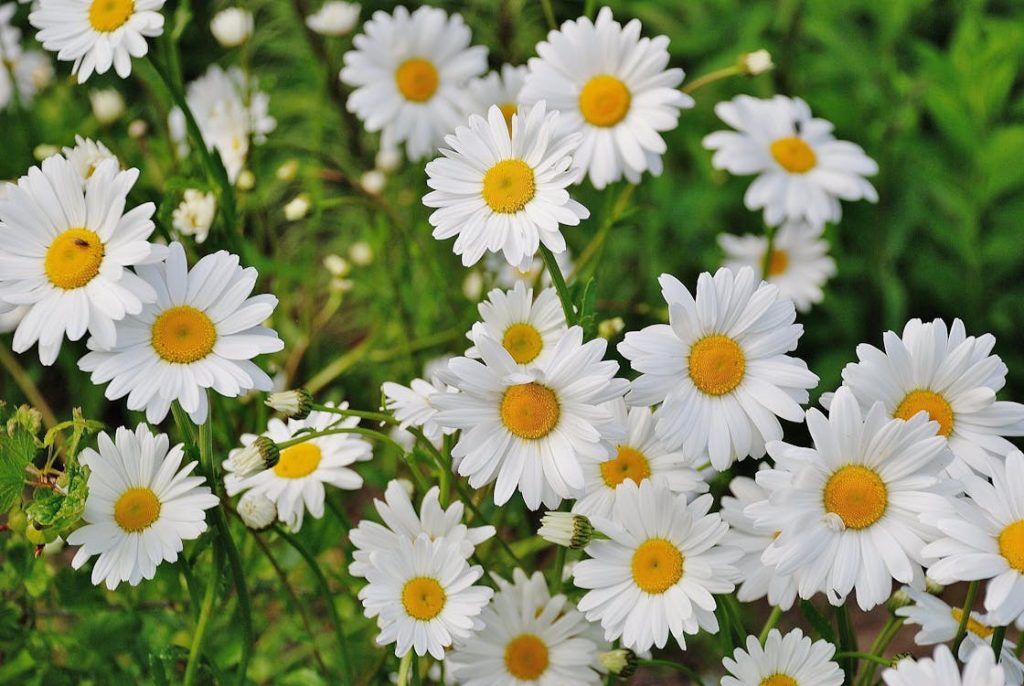
When standing in your garden surrounded by plants and wildlife, it’s easy to assume everything around you is “natural.” But conventional gardening often introduces artificial elements that work against nature rather than with it.
By incorporating native plant communities—groups of plants that naturally grow together in local ecosystems—you’ll create a more resilient garden that largely maintains itself. These plant combinations have evolved together and support each other through complementary growth habits and resource sharing.
Native plants are perfectly suited to grow in our local climate and soil. Sourced nearby, they are the most likely to establish themselves successfully in your garden, requiring less maintenance over time. We have access to a vast range of plants, including native species from excellent local nurseries as well as more exotic options from mainland Europe when appropriate.
For London gardens, consider combinations like:
- Woodland edge communities featuring native ferns, foxgloves, and wood anemones
- Meadow-inspired groupings with native grasses and wildflowers
- Hedgerow mixtures incorporating native shrubs like hawthorn, blackthorn, and dogwood
3. Introduce Seasonal Highlights
Gardens that remain static throughout the year miss opportunities for moments of drama and delight. Too often, gardens are designed for a single season—typically summer—leaving them uninspiring for much of the year.
Plan for a succession of seasonal interest by incorporating plants that shine at different times:
- Early spring: Snowdrops, hellebores, and crocus for early colour
- Late spring: Flowering bulbs like narcissus and tulips, followed by alliums
- Summer: Perennial flowers and ornamental grasses
- Autumn: Plants with vivid leaf colour and structural seedheads
- Winter: Evergreens, plants with interesting bark, and structural elements
This approach ensures your garden remains engaging year-round, with something to anticipate in every season. It also provides continuous resources for wildlife rather than feast-or-famine conditions.
We want your garden to be your ‘go to’ place” – a sentiment we hear often when seasonal interest is thoughtfully incorporated. When your garden offers different experiences throughout the year, it becomes a constant source of renewal and relaxation.

4. Prioritise Soil Health
The foundation of any thriving garden is the soil. We use premium, peat-free soils to nourish your plants and ensure proper drainage, promoting vigorous growth and vibrant foliage season after season.
Struggling with plants that never quite thrive? The problem is likely beneath your feet. Soil quality determines garden success more than any other factor. Our composting practices return nutrients to where they belong, completing nature’s cycle while reducing waste. Good soil means stronger plants that need less of your time and money to maintain.
In 2024 alone, we recycled over 11 tonnes of garden waste, roughly the weight of two African elephants transformed into valuable compost instead of heading to landfill. This isn’t just environmental posturing; it’s practical gardening that creates healthier growing conditions.
Consider these soil improvement strategies:
- Adding organic matter to existing beds
- Mulching with compost or leaf mould
- Selecting plants appropriate for your soil type rather than fighting it
- Using cover crops in areas between plantings
5. Design for Wildlife Support
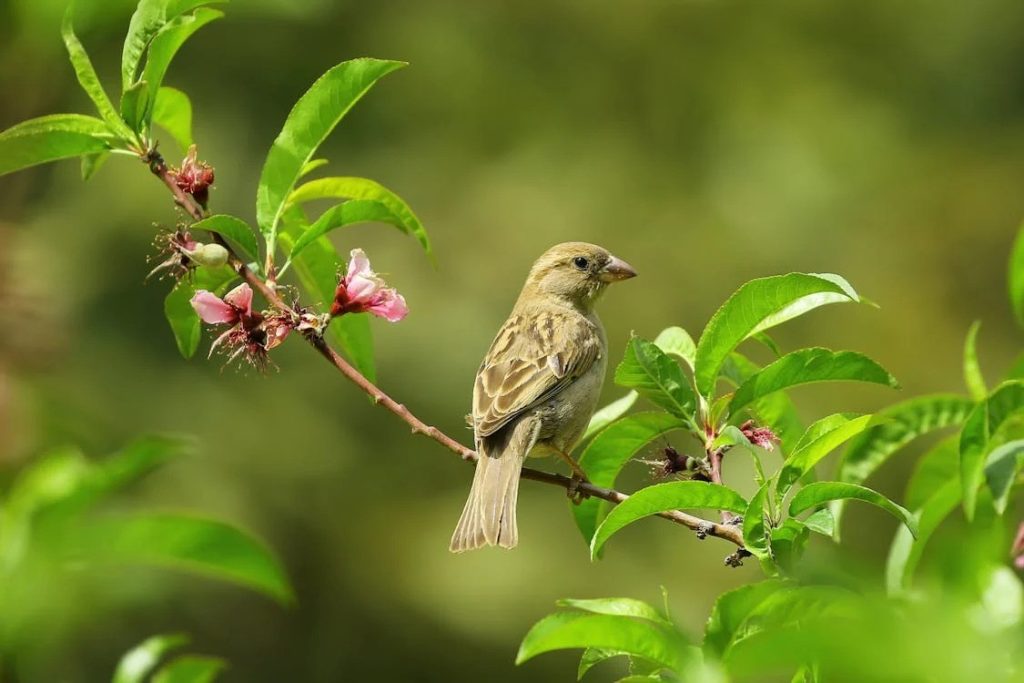
Gardens that support biodiversity aren’t just environmentally responsible—they’re more interesting and dynamic spaces. The movement, sound, and activity that wildlife brings adds an additional layer of engagement to your outdoor space.
Beyond simply adding a bird feeder, consider the entire habitat needs of local wildlife:
- Install native hedging instead of solid fencing to provide nesting sites and food sources
- Incorporate water features, even simple ones like bird baths or mini ponds
- Create undisturbed areas with leaf litter for hedgehogs, insects, and other beneficial creatures
- Choose plants that provide resources throughout the seasons—early nectar, summer pollen, autumn seeds, and winter berries
Natural gardening means designing, maintaining, and growing gardens using organic principles and sustainable materials. It’s about avoiding chemicals, minimising single-use products, and embracing methods that enhance rather than disrupt local ecosystems.
Wildlife-friendly gardens also create valuable learning opportunities for young people while connecting them to natural cycles.
6. Reimagine Your Lawn Area
The traditional lawn consumes significant resources while offering limited ecological value. Yet many homeowners maintain this high-maintenance feature out of habit rather than genuine need.
Consider alternatives that maintain open space while adding interest and reducing maintenance:
- Replace portions of lawn with biodiverse turf that incorporates wildflowers
- Create a tapestry lawn using low-growing, walkable plant varieties like chamomile and thyme.
- Establish pocket meadows in areas that receive less foot traffic
- Integrate stepping stones through planted areas to maintain access while reducing grass coverage
We also prioritise the use of rainwater for irrigation, which is not only better for your plants but also conserves precious water resources. Your plants actually prefer rainwater to treated tap water, and your water bill will reflect the difference.
For clients concerned about maintaining usable space, we often recommend a hybrid approach—keeping a small, high-quality lawn area for recreation while converting the remainder to more interesting alternatives.
7. Add Vertical Elements Through Climbers and Wall Shrubs
In London’s space-constrained gardens, the vertical dimension offers untapped potential. Wall surfaces, fences, and boundaries represent significant square footage that often goes unused or is covered with a single climbing plant.
Strategic use of climbers and wall-trained shrubs can transform these vertical surfaces into productive, beautiful garden features:
- Layer different climbers for extended seasonal interest, such as early clematis followed by summer jasmine and autumn-flowering honeysuckle
- Espalier fruit trees against sunny walls to combine ornamental value with productivity
- Use different climbers on different boundaries to create varied views and habitats
- Incorporate wall shrubs like Ceanothus, Garrya, and Itea that provide structure year-round
This approach effectively doubles your planting space by utilising vertical surfaces. In particularly small gardens, this strategy can transform the experience dramatically without reducing usable floor area.

Creating Your Natural Haven
The benefits of soft landscaping go beyond aesthetics. People who maintain gardens report significantly lower anxiety and stress levels. Your garden isn’t just pretty – it’s practically medicinal.
With over 50 years of combined hands-on experience, we’ve seen which approaches deliver lasting results in London’s specific conditions. Whatever your plant needs and desires are, we feel confident we can meet them. We work with you to create plant lists and develop a soft landscaping plan that brings your vision to life.
Get in touch to find out how we can help transform your outside space with soft landscaping that creates a sustainable, natural haven in Southwest London.