

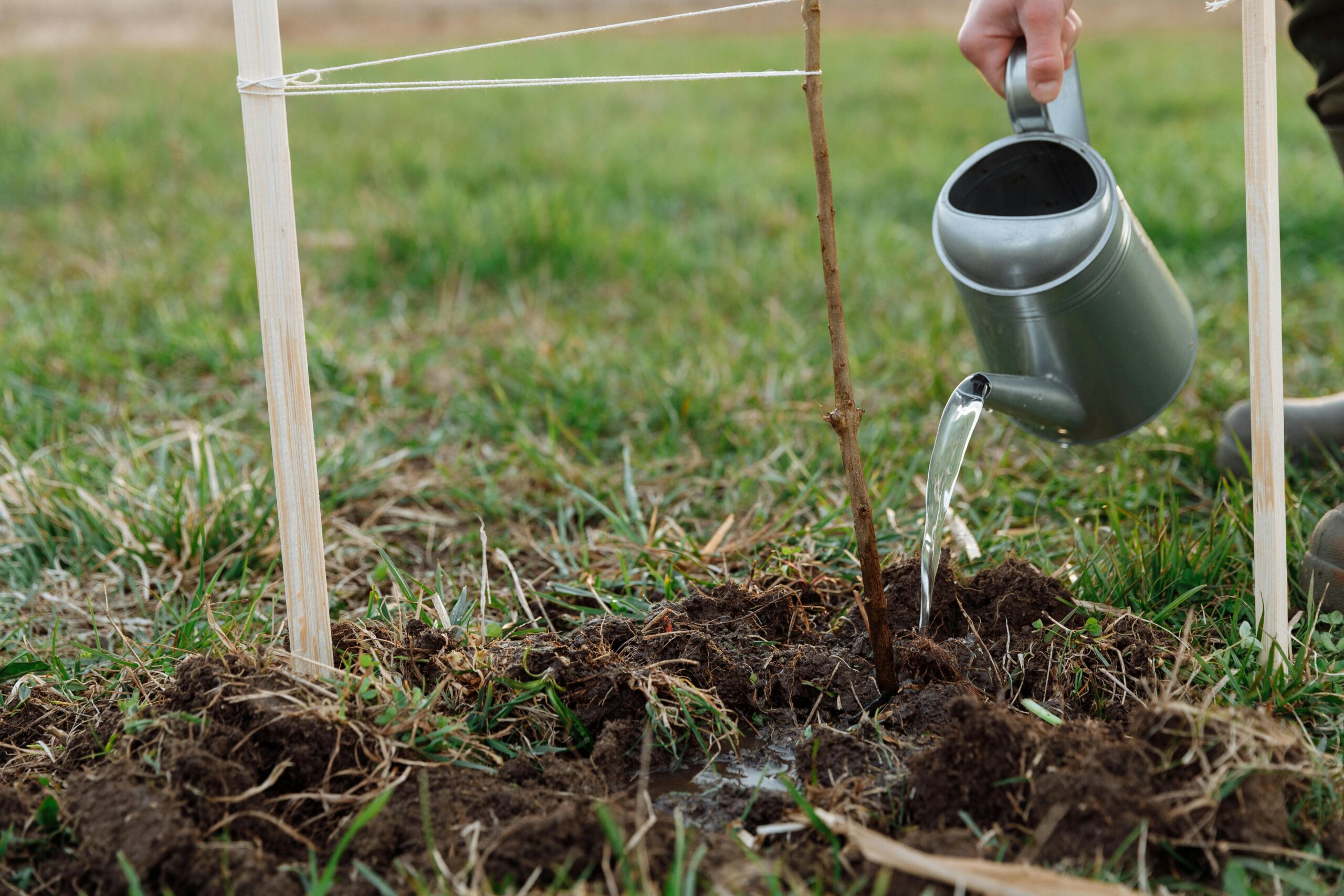
Garden burnout is when gardening shifts from something you love into something that weighs on you. What started as excitement in spring has become an endless list of tasks by midsummer. You feel overwhelmed, disappointed in yourself, or like you are failing at something that is meant to be enjoyable. Some days you avoid going into the garden altogether because it just reminds you of everything you have not done.
If this sounds familiar, please know you are not alone. Garden burnout happens to beginners and experienced gardeners alike. The good news is that you can recover without giving up gardening completely. Sometimes you just need to step back, simplify, and remember why you started in the first place.
Recognising Garden Burnout
Garden burnout is not just about being a bit tired after a long day’s work. It is that deeper feeling of emotional and physical exhaustion where gardening stops being a source of joy and starts feeling like another chore you cannot quite manage. You might feel overwhelmed when you look at your borders, disappointed that things have not turned out how you imagined, or simply indifferent where you used to feel enthusiasm.
The clearest sign is avoidance. You find reasons not to go outside, or when you do venture out, you see only problems rather than possibilities. Sometimes you genuinely think about giving up altogether. These feelings are real and valid, and they are telling you something important: you need to make a change.
What Causes It (So You Can Prevent It Next Time)
Mindset Pressures
Perfectionism is one of the biggest culprits in garden burnout. You set yourself impossible standards, comparing your real garden with its weeds and imperfections to the immaculate show gardens on television or the carefully curated photos on social media. Those gardens have teams of people maintaining them, professional styling, and editing. Your garden is real life, and real life is messy.
Workload Overload
Many of us are wildly overambitious when spring arrives. The seed catalogues look so appealing, the garden centre is full of tempting plants, and suddenly you have committed to far more than you can realistically manage. Too many projects running at once, too many beds planted up, too many things needing your attention every single day.
Environmental Stress
Sometimes the weather simply works against you. Drought and heatwaves mean everything needs watering constantly, and plants struggle despite your efforts. Heavy rain creates a jungle of weeds and promotes diseases. Unpredictable swings between conditions leave you feeling like you are constantly reacting rather than getting ahead. Poor results after all that effort are genuinely disheartening.
Self-Care Gaps
When you are busy trying to keep on top of the garden, it is easy to neglect yourself. You skip breaks, forget to drink enough water, miss meals, stay out too long in the hot sun, and sacrifice sleep to fit in more gardening time. This physical exhaustion feeds directly into emotional burnout. You cannot pour from an empty cup, and gardening should not leave you depleted.

The Fastest Way to Feel Better (Today)
Scale Back Immediately
Give yourself permission to pull up plants you do not like or simply cannot manage right now. That herb that needs constant attention, those vegetables you are not even eating, the high-maintenance perennial that demands deadheading every few days. Remove them. Empty space is genuinely better than ongoing stress. You can always plant something different later when you feel ready.
Do the Smallest Possible Reset
Set a timer for just 15 minutes and do one single task. Water one border. Weed one small section. Deadhead one plant. That is it. Stop when the timer goes off, even if you feel you could do more. This tiny win helps break the paralysis without adding more pressure.
Clear Visual Clutter
Sometimes, just tidying up the most obvious problems makes everything feel more manageable. Pull out obviously dead plants and clear away old crops that have finished. This reduces the visual overwhelm when you look at the garden and removes hiding places for pests. You are not trying to achieve perfection, just making the space feel a bit calmer.
Recovery Mode: Take Breaks Without Guilt
Take a Garden Vacation
You are allowed to step away completely for a few days, a week, or even the rest of the season if you need to. Your mental health matters more than your tomatoes. Nature is remarkably resilient, and most gardens survive a period of benign neglect better than you might expect. Give yourself genuine time off without feeling guilty about it.
Reconnect Without Chores
When you feel ready, spend 15 minutes just being in your garden without any tools or agenda. Sit on a bench, walk slowly around, notice what is flowering, watch the bees, listen to the birds. Engage your senses rather than looking for problems to solve. This helps rebuild your relationship with the space without the pressure of productivity.
Make the Garden Easier Going Forward
Reduce Repetitive Chores
Mulch is your friend. A good thick layer of bark chippings, compost, or even cardboard covered with something prettier suppresses weeds dramatically and reduces watering needs. It is one of the simplest ways to cut down on repetitive, tedious work.
Consider installing drip irrigation or using self-watering planters, especially if watering has become your least favourite task. These systems cost a bit initially, but they save you hours every week during summer and mean your plants get consistent care even when you need a break.
Spread Effort Across the Season
One of the biggest mistakes is planting absolutely everything in April and May. This creates a massive workload surge that becomes impossible to sustain. Next year, stagger your planting over several months. This spreads the work more evenly and prevents that overwhelming “spring sprint” that leaves you exhausted by midsummer.
Before next season arrives, decide what you will actually grow and stick to that list. Do not browse seed catalogues or wander around garden centres without a plan. This simple boundary prevents overcommitment before it starts.
Rebuild Motivation
Reconnect With Your “Why”
Look back at photos from when your garden brought you joy. Make a little vision board of gardens that inspire you. Remember what you loved about gardening before it became stressful. Was it the satisfaction of growing your own food? The pleasure of seeing butterflies? The simple act of being outside? Reconnecting with your original motivation helps reignite enthusiasm.
Add Novelty Without Adding Workload
Sometimes, a small new project that is completely different sparks renewed interest. A simple worm compost bucket for the kitchen, a single new container with an interesting plant, and a bird feeder you can watch from your kitchen window. These tiny additions provide fresh focus without creating a maintenance burden.
Shift Focus
Try moving from trying to control everything to simply observing and appreciating. Notice the wildlife that visits. Celebrate small wins like one perfect flower or a handful of sweet peas. Let go of the idea that everything must be productive or purposeful. Sometimes a garden’s job is just to be pleasant to look at.
When You Need More Than a Break: Making Real Changes
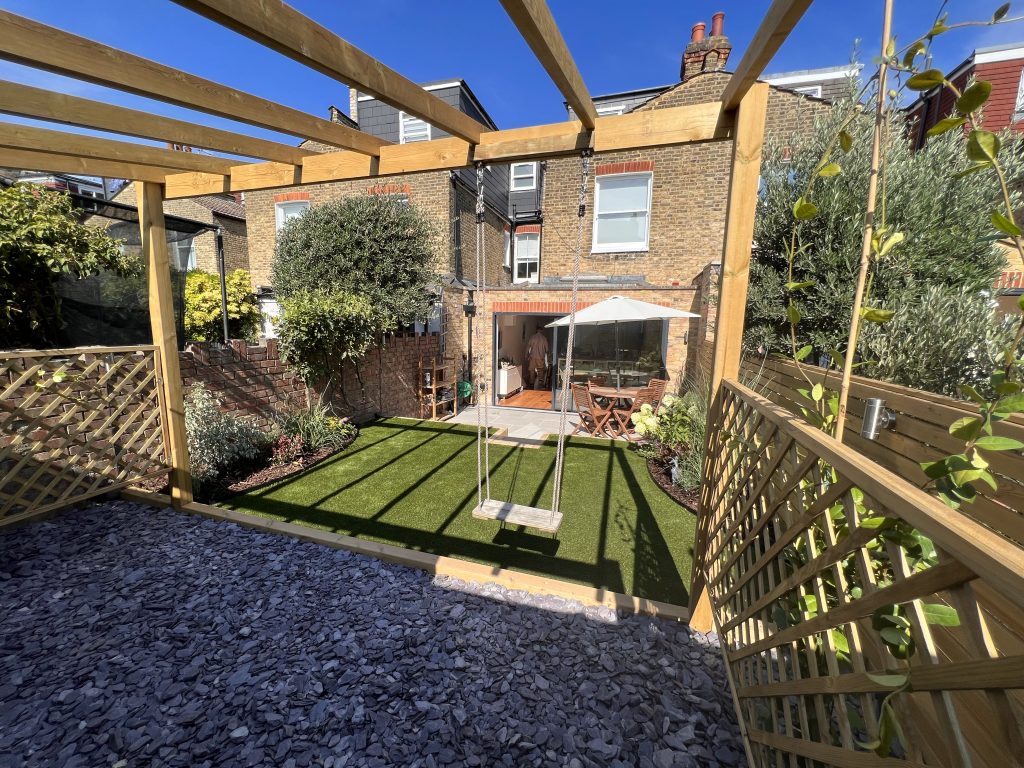
Sometimes, garden burnout is telling you that the garden itself needs rethinking, not just your approach to it. Perhaps the layout creates too much work, or the plants you inherited with the house do not suit how you actually want to garden. Maybe you love the idea of a garden but simply do not have the time or energy for high-maintenance features.
This is where bringing in a professional can genuinely transform things. At The Southwest London Gardener, our team of soft landscapers in London have helped many people recover from garden burnout by redesigning their spaces to be more manageable. We listen to what is overwhelming you, what you actually enjoy doing, and how much time you realistically have. Then we create a garden that works with your life rather than against it.
We might suggest replacing that demanding herbaceous border with evergreen structure and hardy perennials that look after themselves. Or installing automatic irrigation so watering stops being a daily chore. Perhaps simplifying your lawn, adding mulched areas that suppress weeds, or choosing plants that genuinely thrive in Southwest London without constant intervention.
The difference between struggling alone and having expert help is not just about getting the work done. It is about having someone who understands plants, soil, and local conditions design solutions that actually reduce your workload long-term. We have seen what causes burnout in gardens across Southwest London, and we know how to fix it.
Final Thoughts
Garden burnout is real, it is common, and it does not mean you are a bad gardener. It usually means you care deeply about your garden and have been pushing yourself too hard. Recovery is not about forcing yourself to love gardening again through sheer willpower. It is about scaling back, simplifying, and reconnecting with what brought you joy in the first place.
Sometimes that recovery means working with professionals who can help you create a garden that suits your actual life. We use natural materials and sustainable practices to build gardens that look beautiful while remaining genuinely manageable. Our approach focuses on working with nature rather than constantly battling against it, which reduces maintenance and creates healthier, more resilient gardens.
Your garden is meant to be a place of pleasure and peace, not stress and guilt. If it has become the latter, you have every right to make changes until it feels good again. Be kind to yourself. The garden will still be there when you are ready, and it will be better for both of you when you return refreshed.
Contact our team if you would like to talk about making your garden more manageable. Sometimes a conversation with someone who understands can make all the difference.