
When gardening in South West London, selecting the right plants is essential for creating a thriving, beautiful garden. The area benefits from a mild, temperate climate, making it an ideal location for many plants. However, it’s crucial to consider factors such as microclimates, local soil types, and the varying weather patterns throughout the year. I’ll take you through how to make the best plant choices that suit the local environment, helping your garden flourish no matter the season.
Understanding SW London’s Climate
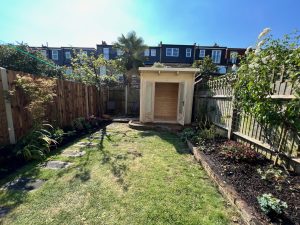
South West London’s climate is temperate, with relatively mild winters and warm, but not scorching, summers. We generally experience consistent rainfall throughout the year, which is good for maintaining a lush garden. However, some summers can see dry spells. With increasing unpredictability in the weather, drought-resistant plants can play an important role in ensuring your garden stays healthy year-round. Like much of SW London, urban areas also create unique microclimates where buildings and walls trap heat or block wind, affecting how plants grow in different parts of your garden.
Native and Adaptable Plants
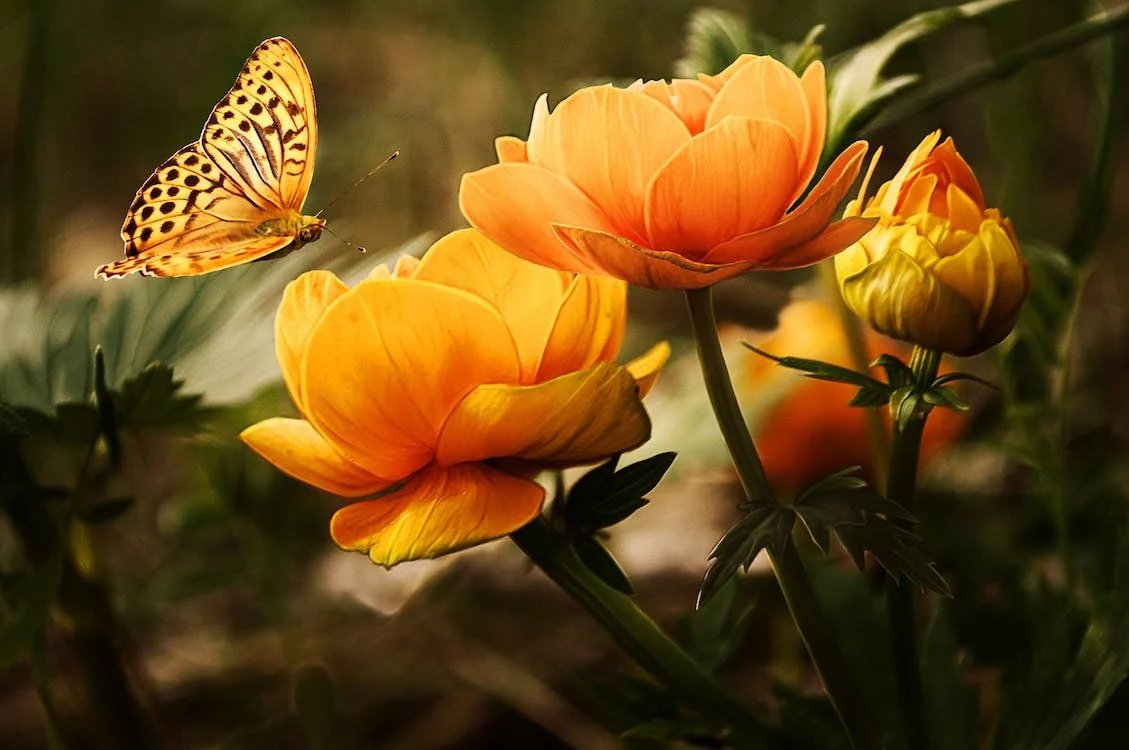
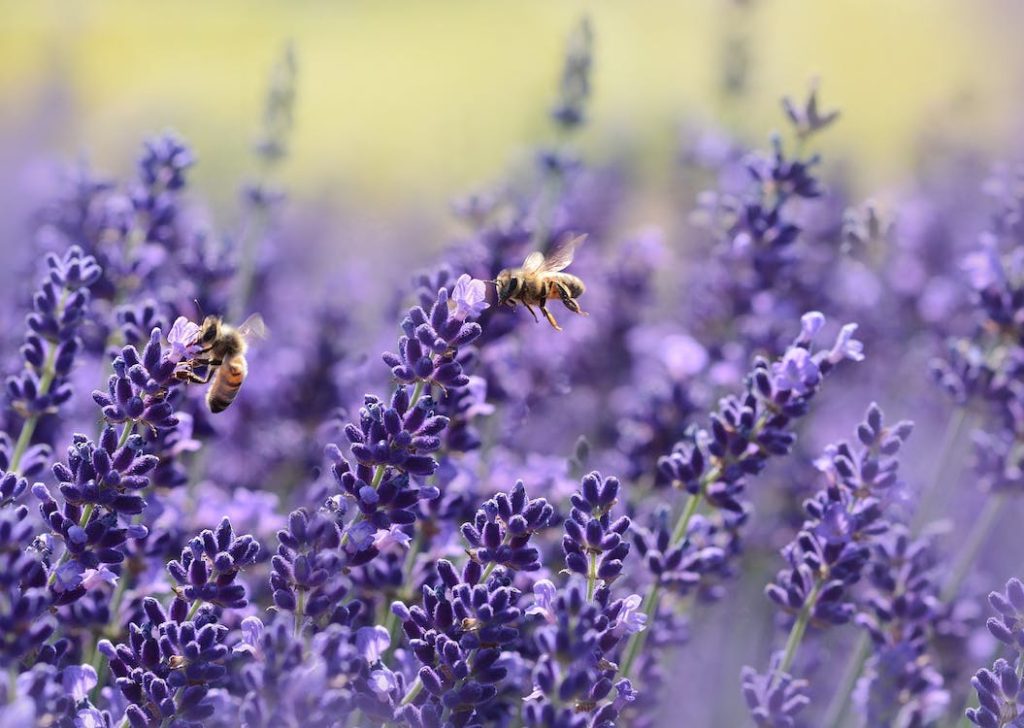
Choosing native plants for your garden is always a smart move. These plants are already well-adapted to our local conditions. They will often require less maintenance and fewer resources than exotic species. Native plants like Lavandula angustifolia (lavender) and Digitalis purpurea (foxglove) thrive in South West London’s soil and climate and support local wildlife. Incorporating these into your garden encourages biodiversity, attracting bees and butterflies crucial to pollination.
If you want to expand beyond native plants, many species have adapted well to our climate. Mediterranean plants such as Verbena bonariensis and Sedum are excellent choices because they are drought-tolerant, making them perfect for handling the drier spells that sometimes occur in the summer.
Shade-Tolerant Plants for Urban Gardens
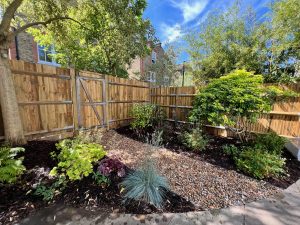
One challenge many of us face in SW London is shady gardens. Whether it’s tall buildings, trees, or fences, parts of your garden may receive limited sunlight. Fortunately, plenty of shade-loving plants can brighten up even the darkest corners. Ferns, hostas, and Heuchera are excellent choices for areas with dappled light or full shade. These plants can add texture and colour to your garden, making it feel lush and full of life, even without direct sunlight.
Soil Considerations for SW London
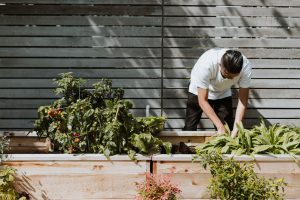
The quality of your soil is just as important as the plants you choose. South West London gardens tend to have clay or loam soils, both of which can support a wide variety of plants but may need a bit of adjustment depending on what you’re growing. Clay soil, for instance, retains water well but can become heavy and compacted, which might hinder root growth. On the other hand, loamy soil offers excellent drainage but may require added organic matter to improve its structure. Before planting, it’s worth testing your soil and possibly improving its quality with compost or mulch, which can help ensure healthy plant growth.
Maximising Small Spaces
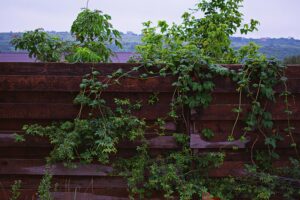
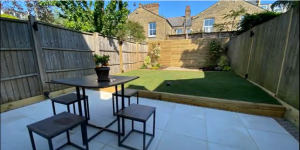
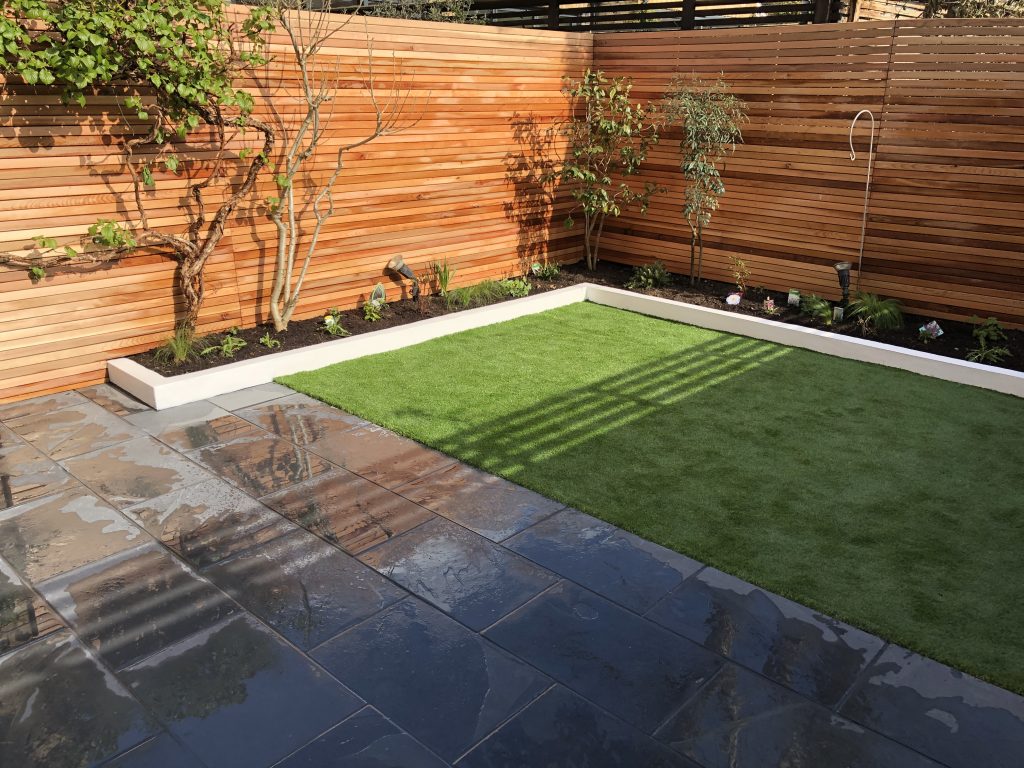
In urban areas, gardens often come in small packages. This doesn’t mean you can’t have a vibrant garden; it requires more creativity. Vertical gardening using climbing plants like Clematis or jasminum can use fences and walls, while container gardening is perfect for patios or balconies. Choosing plants suited to pots, such as Geranium and dwarf varieties of lavender, allows you to create flexible, movable displays that can be adapted to suit different areas of light and space in your garden.
Dealing with Pests and Diseases
Every garden in SW London, regardless of its size or the plants it features, will encounter pests at some point. Slugs, snails, and aphids are particularly common in our region. Fortunately, organic ways to control these pests include encouraging natural predators like birds and hedgehogs or using physical barriers around vulnerable plants. Keeping your garden healthy with well-nourished soil and proper plant care will also help prevent diseases.
Final Thoughts on Planting for SW London
Ultimately, creating a garden that thrives in South West London’s climate is about working with the environment, not against it; by choosing the right plants—whether native species, drought-resistant, or shade-loving—you can ensure that your garden looks beautiful and is sustainable and supportive of local wildlife. Be mindful of your garden’s specific microclimates and soil types. Don’t be afraid to experiment with plants that will bring interest and colour year-round, and let us know if we can help. Happy gardening!