
Your garden doesn’t need a complete overhaul to feel completely transformed. In our years working across Southwest London, we’ve discovered that the most effective changes often come from working with what you already have rather than starting from scratch.
These seven straightforward approaches deliver maximum visual impact without requiring a construction crew or draining your bank account.
Let’s take a look
How Simple Changes Can Make a Big Impact
The most dramatic garden transformations we’ve witnessed haven’t involved excavators or lorry-loads of new plants. Instead, they’ve come from understanding which changes deliver the greatest visual reward for the least effort and expense. Simple doesn’t mean ineffective – it means focusing your energy where it counts most.
We define simple changes as those requiring minimal tools, basic skills, and modest investment, whilst creating immediately noticeable improvements. These are weekend projects, not month-long renovations. The secret lies in choosing interventions that work with your garden’s existing strengths rather than fighting against its natural tendencies. A well-placed seating area transforms how you experience your entire garden. Strategic pruning can reveal a beautiful plant structure that’s been hidden for years. Fresh mulch makes everything look intentional and cared for.
The beauty of simple changes is their cumulative effect. Each small improvement makes the next one more impactful, creating momentum that transforms both your garden and your relationship with it. You start seeing possibilities rather than problems, and your outdoor space begins working for you instead of against you.
1. Rescue and Revive Your Existing Plants
That overgrown shrub you’ve been eyeing with suspicion? We can tell you it’s probably not beyond hope. Many established plants that appear past their prime can be carefully pruned and managed back to their ideal state. These resilient survivors have already proven they can thrive in your specific soil and conditions.
Why this is simple: Basic pruning requires only secateurs and a saw for thicker branches. No digging, no replanting, no waiting years for new growth. The transformation happens immediately, and you’re working with plants that are already established and healthy at their roots.
We start by removing dead or diseased branches, then selectively thin overcrowded areas to improve air circulation. The transformation can be dramatic – what looked like a garden mistake suddenly becomes a feature. Established plants have extensive root systems that newer plantings simply can’t match, making them more drought-resistant and generally tougher once properly maintained.
2. Create Natural Pathways with Local Materials
We always recommend forgetting expensive imported stone that looks out of place in a London garden. Local materials like reclaimed brick, natural stone, or even well-placed gravel create pathways that feel like they belong. These materials age gracefully, developing character rather than looking worn out.
Why this is simple: No concrete foundations or complex installations required. Most pathway materials can be laid directly on levelled soil with a thin sand base. The informal nature of natural pathways means slight irregularities add character rather than looking like mistakes.
The key is working with your garden’s natural flow rather than imposing a rigid design. A gently curving path feels more inviting than a straight line marching across your lawn. We use materials that complement your home’s architecture – Victorian terraces pair beautifully with reclaimed London brick, whilst more modern homes suit clean lines in natural stone.
3. Transform Problem Areas with Native Plant Communities
Every garden has that one spot where nothing seems to grow properly. Instead of fighting these challenging areas, we work with them by selecting native plants that actually prefer those conditions. Wet, shady corners become lush green retreats with the right ferns and moisture-loving plants.
Why this is simple: Native plants are naturally suited to your local conditions, meaning they establish quickly with minimal care. No soil amendments, complex irrigation systems, or ongoing maintenance battles. Plant them in the right spot, and they largely look after themselves.
Native species support local wildlife naturally and require significantly less maintenance once established. They’ve evolved for our specific climate and soil conditions, meaning fewer plant casualties and lower water bills. We group plants with similar needs together to create micro-ecosystems that practically maintain themselves.
4. Repurpose Garden Materials You Already Own
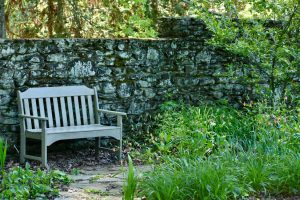
Before ordering a skip, we always encourage our clients to take a closer look at what they’re planning to discard. That weathered wooden bench doesn’t need replacing – it needs reimagining. With minor repairs and strategic placement among carefully chosen plantings, yesterday’s eyesore becomes tomorrow’s destination point.
Why this is simple: You’re working with materials already in your garden, so no shopping, delivery, or major expense. Most repurposing projects require basic tools you likely already own – sandpaper, paint, or simple repositioning. The time investment is minimal compared to sourcing and installing new materials.
Old paving stones make excellent edging for raised beds. Broken concrete can be repurposed as drainage material. Even tired garden furniture can be refreshed with weather-resistant paint and new positioning. In 2024 alone, we recycled over 11 tonnes of garden waste, proving that environmental benefits are significant whilst creating something deeply satisfying from materials others might discard.
5. Focus on Soil Health for Instant Plant Performance
Struggling plants that never quite thrive usually have one thing in common – poor soil quality. We always use premium, peat-free soil amendments that provide immediate improvements in plant health and growth rates. Good soil means stronger plants that need less water, fertiliser, and your constant attention.
Why this is simple: Adding quality compost or organic matter requires no special skills – just spreading and light digging in. The results are immediate and visible, and healthy soil makes every other gardening task easier. Well-fed plants are naturally more resistant to problems, reducing your workload.
The difference is visible within weeks. Plants develop more vibrant foliage, better flower production, and increased resistance to pests and diseases. Proper drainage prevents root rot, whilst organic matter feeds beneficial soil organisms that create a thriving underground ecosystem. It’s the foundation that makes every other improvement more effective.
6. Design Water-Wise Features That Work
Water features don’t require elaborate pumps and filtration systems to create impact. We often create simple rain gardens that capture and slowly release stormwater, serving multiple purposes – preventing flooding, reducing water bills, and creating habitat for wildlife.
Why this is simple: Rain gardens work with your existing drainage patterns rather than against them. No plumbing, electricity, or complex engineering required. You’re essentially creating a shallow depression where water naturally wants to go anyway, then planting it with appropriate species.
We position water collection areas where they naturally want to be rather than fighting your garden’s existing drainage patterns. Planted with appropriate species, these areas become attractive features rather than problem spots. Your plants prefer rainwater to treated tap water anyway, and the environmental benefits extend well beyond your garden boundaries.
7. Create Defined Outdoor Rooms for Multiple Uses
Gardens work best when they have clear purposes rather than trying to be everything to everyone in one undifferentiated space. A dedicated seating area feels more inviting than chairs scattered randomly across a lawn. A designated play zone keeps family activities contained while preserving quieter areas for relaxation.
Use natural materials like strategically placed plantings or low stone walls to define these spaces without creating barriers. Each area should feel connected to the whole whilst serving its specific function. The result is a garden that feels larger and more organised, with designated spots for different activities and moods.
Making Your Garden Transformation Reality
These seven approaches work because they respect what’s already thriving in your space whilst addressing the areas that need attention. With over 50 years of combined experience across Southwest London, we’ve seen how natural garden makeovers create cumulative effects – each improvement supports the others, building a more resilient and attractive outdoor space over time.
We always recommend starting with the idea that excites you most. Whether that’s rescuing an overgrown corner or creating a proper seating area, beginning with enthusiasm ensures you’ll see the project through. The most successful garden transformations we’ve completed happen gradually, allowing homeowners to learn what works in their specific conditions before moving on to the next improvement.
Your garden will guide you toward the changes that make the biggest difference. Trust the process, work with natural materials, and remember that our goal isn’t perfection – it’s creating a space where you genuinely want to spend time.
Ready to transform your outdoor space? We have a team who are trained in hard landscaping, and we work across Twickenham, Richmond, Putney, Wandsworth and surrounding Southwest London areas, using natural approaches that improve over time rather than requiring constant maintenance. Get in touch to discuss how we can help bring your garden vision to life.