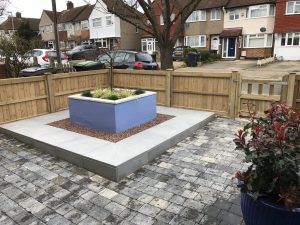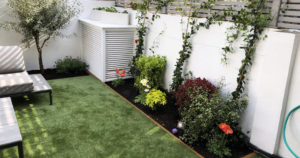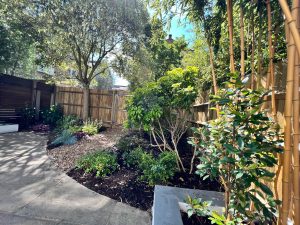

Most people assume a pond needs space they simply don’t have. A small courtyard behind a Victorian terrace, a narrow strip in Twickenham, a paved-over back garden in Wandsworth, none of it looks like pond territory. So the idea gets filed away as something for people with proper acreage, and the garden carries on without one.
That assumption is wrong more often than it’s right. Ponds scale down far better than most other garden features. A container pond can sit happily in a spot barely bigger than a dustbin lid and still pull in frogs, dragonflies, and birds within a season. Even a modest in-ground pond, built properly, can transform a flat, quiet garden into somewhere that actually moves and sounds different depending on the time of day. The barrier isn’t space. It’s knowing where to start, and knowing that a London garden brings its own particular set of considerations that a generic pond guide won’t cover.
This piece walks through everything involved in adding a pond to a London garden, from choosing the right spot to picking plants that will actually thrive in a shaded, overlooked, or awkwardly shaped space, the kind most SW London gardens actually are.
Why Add a Wildlife Pond to a London Garden?
A pond does something almost nothing else in a garden can. It brings in wildlife that simply won’t turn up otherwise. Frogs, newts, dragonflies, and a wide range of birds will find and use even a small body of water within weeks of it being installed, something urban gardens are usually starved of.
There’s also a quieter benefit that’s easy to underestimate until you’ve experienced it. Moving or still water changes the character of a garden entirely, the sound of it, the light bouncing off the surface, the sense of something alive happening even when nobody’s out there tending it. In a city where most gardens are defined by hard surfaces, fences, and the low hum of traffic, a pond introduces a genuinely different sensory layer.
There’s a practical angle too. London’s summers have grown noticeably hotter and drier in recent years, and gardens that rely entirely on soil-based planting can struggle through a heatwave. A pond doesn’t just survive that shift; it becomes one of the few features in the garden that actively benefits local wildlife precisely when conditions elsewhere are hardest.
Choosing the Right Location
Where a pond goes matters more than almost any other decision in the process. Get the location wrong, and no amount of clever construction afterwards will fully compensate.
Sunlight Requirements
A wildlife pond generally needs a good balance of sun and shade; roughly half a day of direct sunlight tends to work best. Full shade all day will leave the water cold and undernourished for plant growth. Full sun all day, particularly in a small pond with limited water volume, heats up quickly and can encourage algae to take over before anything else gets a foothold. A spot that catches morning or early afternoon sun, with some relief later in the day, is usually the sweet spot in a typical London garden layout.
Avoiding Trees and Leaf Fall
It’s tempting to tuck a pond under a tree for the shade and shelter it offers, but this tends to cause more problems than it solves. Falling leaves decompose in the water, using up oxygen and encouraging the kind of murky buildup that makes a pond harder to maintain and less hospitable to wildlife. Tree roots can also interfere with digging and liner placement. A spot a reasonable distance from mature trees, even if it means slightly less natural shade, will save considerable maintenance further down the line.
Positioning Near a Water Butt
Placing the pond within reach of a water butt or rainwater collection point makes topping it up during dry spells far more straightforward, and keeps you away from treated tap water, which isn’t ideal for a wildlife pond in any quantity. If your garden doesn’t already have a water butt, it’s worth installing one alongside the pond rather than as an afterthought. It pairs naturally with a broader approach to conserving water in the garden, something that matters more each summer as London’s dry spells stretch longer.
Planning the Size and Shape
There’s no single correct size for a garden pond, but there are some genuine principles worth working from before any digging starts.
Recommended Pond Dimensions
For a pond that genuinely supports wildlife rather than just looking decorative, a bit of depth goes a long way. Somewhere in the region of 60cm at the deepest point gives amphibians somewhere to shelter through winter and helps the water stay more stable through summer heat, rather than fluctuating wildly with every warm afternoon. Surface area matters too; a pond with more open water surface supports a wider range of species than a narrow, deep one, even if the total volume is similar. In a typical London back garden, something in the region of two to three square metres is often enough to support meaningful wildlife activity without dominating the space.
Container Ponds for Small Gardens
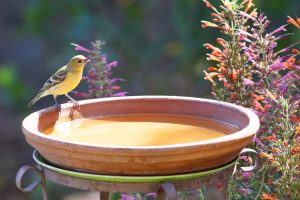
Where a proper in-ground pond genuinely isn’t possible, a container pond is a legitimate and often underrated alternative, not a consolation prize. A large glazed pot, an old sink, or a purpose-built container, sunk into the ground or raised on a patio, can support oxygenating plants, a few marginals, and still attract frogs and insects within a season. The principles are largely the same: sunlight balance, some depth variation, and a way in and out for visiting wildlife, just scaled down. For courtyard gardens, roof terraces, or the very narrow plots common across parts of SW London, this is often the realistic starting point rather than a compromise.
Digging and Constructing the Pond
Once the location and rough size are settled, the construction itself is where a lot of DIY ponds run into trouble, usually because the shape and preparation underneath get rushed.
Creating Different Water Depths
A pond with a single uniform depth throughout is far less useful to wildlife than one with a few distinct zones. Deeper sections give creatures somewhere to retreat during cold snaps or hot spells, while shallower areas warm up faster and support different plant types. Digging these zones as clear, deliberate steps rather than a single sloped bowl makes the pond considerably more functional once it’s established.
Adding Shelves and Beach-Style Slopes
A shelf around part of the pond’s edge, sitting a few centimetres below the waterline, gives marginal plants somewhere secure to root without sliding into the deepest section. A gently sloped beach area on at least one side, meanwhile, gives hedgehogs, birds, and other visitors a safe way in and out of the water. This single detail is one of the most overlooked parts of DIY pond builds, and one of the most important for the safety of the wildlife the pond is meant to support.
Installing and Protecting the Pond Liner
Once the shape is dug, a layer of sand or underlay goes down first to protect the liner from sharp stones or roots that could puncture it over time. The liner itself needs enough slack to properly follow the contours of the shelves and slopes rather than being pulled taut, which tends to cause creasing and, eventually, leaks at the points under the most tension. This is the stage where corners get cut on rushed DIY jobs, and it’s almost always where problems surface first, sometimes within the first year, sometimes not until the liner has had a full cycle of frost to work against it.
Filling the Pond
With the liner secure and trimmed, filling the pond is the final construction step, and it’s more particular than simply running a hose until it’s full.
Why Rainwater Is Best
Tap water in London carries chlorine and a range of dissolved minerals that aren’t ideal for establishing a healthy wildlife pond, and it can throw off the natural balance before any plants or wildlife have had a chance to settle in. Rainwater, collected via a water butt positioned near the pond, is the better option wherever possible. If tap water has to be used to get started, letting it stand for a few days before topping up further allows some of the chlorine to dissipate, and gives the pond a gentler introduction to its water source.
Choosing Plants for a Wildlife Pond
Planting is what turns a hole full of water into a functioning ecosystem, and different plant types each do a distinct job.
Oxygenating Plants
Submerged oxygenating plants sit below the surface and are essential for keeping the water clear and genuinely livable for wildlife. They compete with algae for nutrients and light, which is one of the most effective natural ways to keep a pond from turning green within its first summer. Without them, even a well-built pond tends to struggle.
Floating Plants
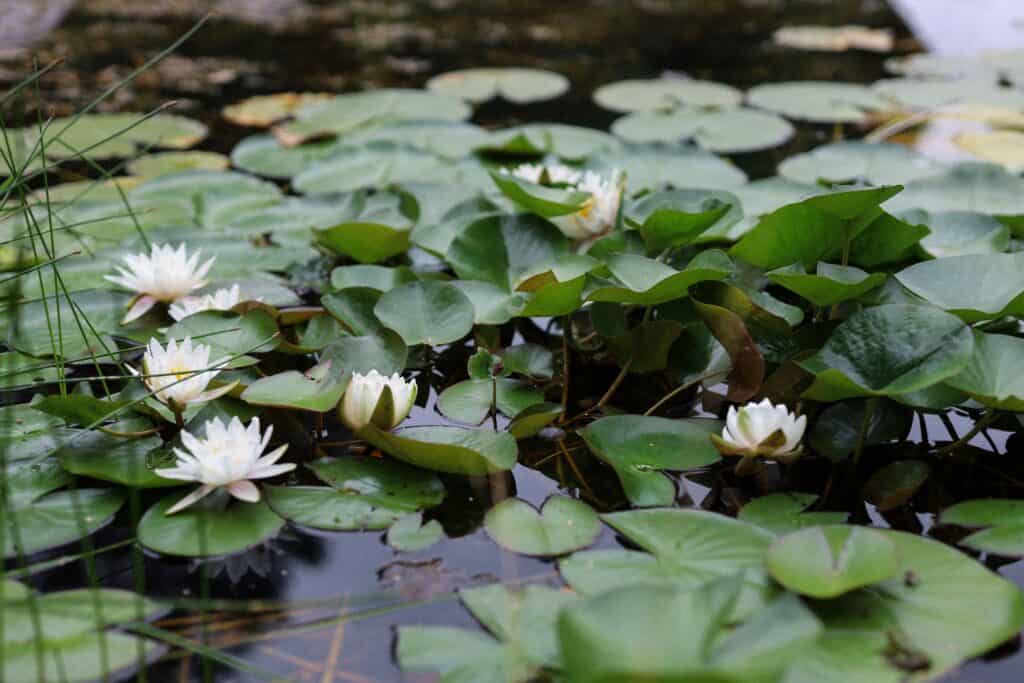
Floating plants sit on the surface and provide shade, which helps regulate water temperature and further limits algae growth. They also give smaller creatures somewhere to shelter close to the surface. The trick with floating plants in a London garden is choosing varieties that won’t spread aggressively in a small space, since some of the more common options can quickly cover far more surface area than intended.
Marginal Plants
Marginal plants root in the shallow shelf areas around the pond’s edge and do much of the visual work, softening the transition between water and garden. They also provide cover for amphibians moving in and out of the water and give dragonflies somewhere to land. A mix of heights and flowering times here keeps the pond edge looking considered through more of the year, rather than only during a brief summer peak.
Should You Add Fish?
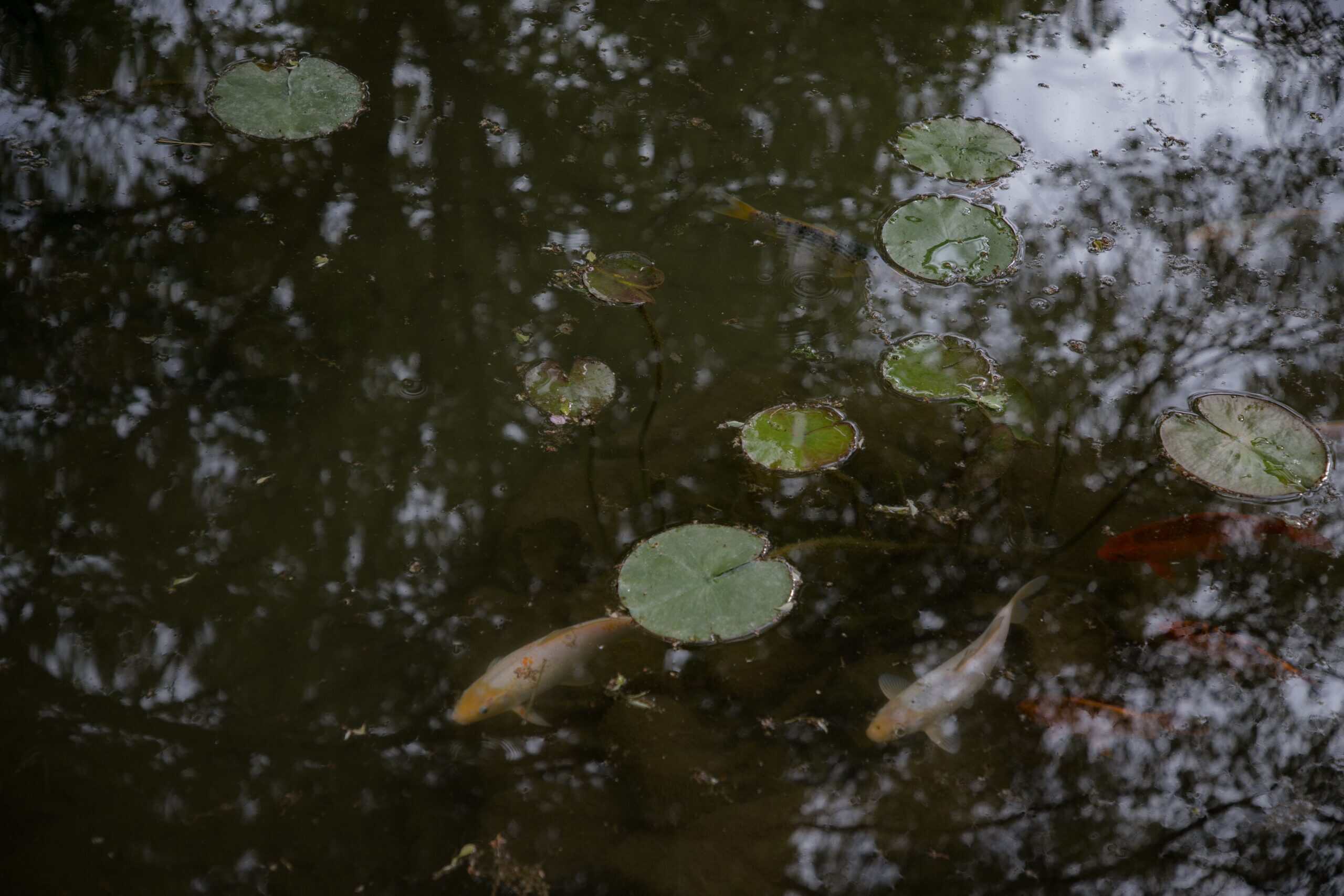
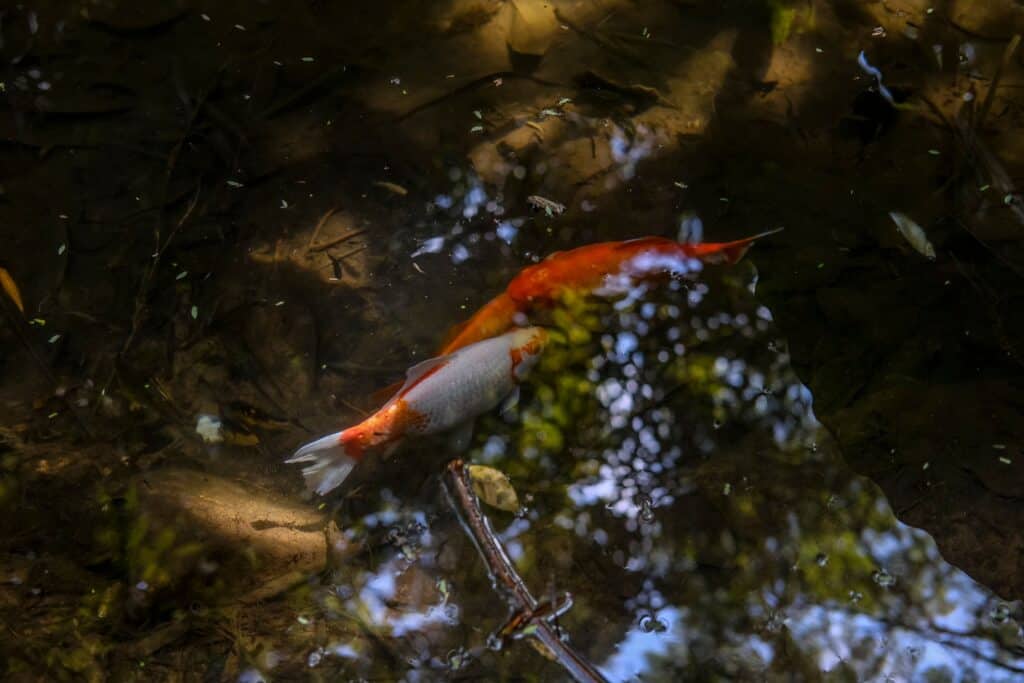
This is worth thinking through carefully before committing either way. Fish can be a lovely addition to a garden pond, but in a wildlife pond specifically, they tend to work against the goal. Fish eat frogspawn, tadpoles, and many of the insect larvae that a wildlife pond is designed to support, which means a pond stocked with fish will generally host far less biodiversity than one left to develop naturally. If attracting frogs, newts, and a genuine range of insect life is the priority, leaving fish out entirely tends to produce a noticeably richer pond within a couple of seasons.
Wildlife-Friendly Safety Features
A pond needs to be genuinely safe for the creatures using it, and for anyone in the household, particularly if children or pets are around. The sloped beach entry mentioned earlier is one of the most important features here, giving hedgehogs and other visitors an escape route rather than a sheer drop they can fall into and struggle to climb out of. Placing a few partially submerged rocks or branches near the edge gives insects and small mammals additional grip points. For households with young children, a rigid mesh grille sitting just below the surface can add a genuine safety layer without compromising the pond’s use by wildlife, since most visiting creatures can still move through it freely.
London-Specific Guidance and Resources
A London garden brings a few considerations a generic pond guide won’t mention. Clay-heavy soil, common across much of SW London, holds water well but can make digging harder work and drainage around the pond less predictable, worth factoring in before choosing a final depth and shape. Smaller plot sizes mean container and mini-pond approaches deserve serious consideration rather than being treated as a fallback. And the borough-level guidance that applies to larger water features or any changes near boundary walls is worth checking before work begins, particularly on period properties where other restrictions may already apply.
Adding a pond pairs naturally with a wider move toward a wildlife-friendly garden, and it’s one of the most effective single features for supporting the kind of rewilding approach more London gardens are shifting toward. If you’re already thinking about collecting and reusing rainwater to keep it topped up, it’s worth reading through the benefits of recycled rainwater as part of the same project rather than as a separate consideration later.
If digging, liner installation, or getting the planting balance right feels like more than you want to take on alone, that’s exactly the kind of project we handle from initial design through to the finished pond. Get in touch with a few details about your garden and what you’re hoping to attract, and we’ll talk through what’s realistic for the space you’ve got.