

You know that feeling when you walk into a house and something just feels off? The rooms are fine, the furniture works, but the whole place feels smaller or darker or more closed in than it should. Half the time, the problem isn’t inside at all. It’s what you see through the windows.
A neglected garden doesn’t just sit there looking bad. It actively changes how your home feels. The view from your kitchen becomes something you avoid. Your living room feels darker because overgrown shrubs block the light. Your whole house shrinks because you’ve lost what could be extra living space. At The Southwest London Gardener, we’ve seen this pattern play out hundreds of times across properties from Wandsworth to Richmond. The garden isn’t separate from the home. It’s part of how the whole place feels.
Your home feels bigger when the garden actually works
Here’s what happens: you fix up the garden, and suddenly your house feels like it has more room. Not because you knocked down walls or added an extension. Because you’ve got usable space that wasn’t there before.
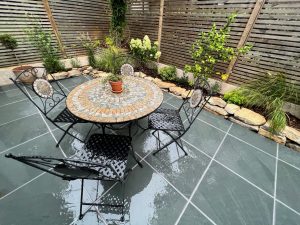
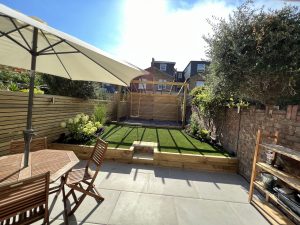
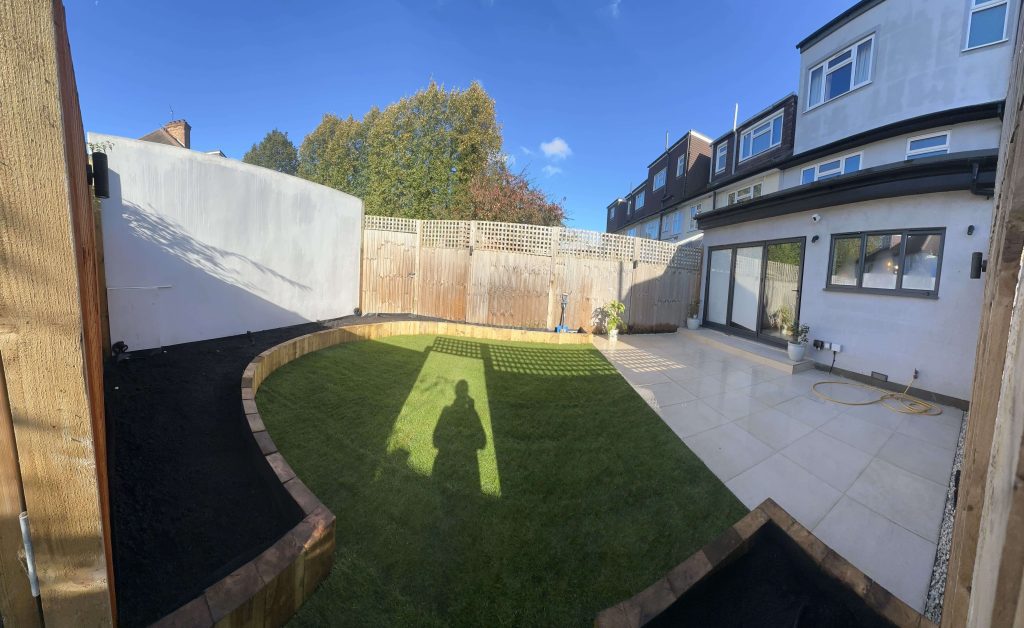
That unused patch of lawn becomes somewhere you have morning coffee. The overgrown corner turns into a spot where you can take work calls away from the kitchen table. The bit outside the dining room becomes an actual dining area for six months of the year. Your home hasn’t changed size, but it feels bigger because you’re using more of it. Think of it as adding a room, except this one doesn’t have walls, and you don’t need planning permission.
Different zones for different moods
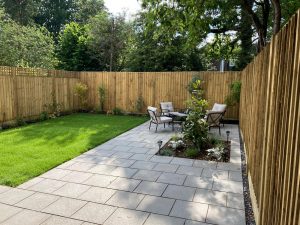
A blank lawn doesn’t invite much. But create distinct areas (a dining spot with proper paving, a lounging corner with decent seating, maybe a small work area if you’re home a lot) and the space becomes somewhere you actually want to be. The dining zone needs to be near the kitchen because nobody enjoys hauling food across wet grass. It wants overhead coverage so you’re not eating in full sun at midday. The lounging area needs shelter and privacy from next door’s windows, otherwise you’ll never relax there. Maybe add a fire pit if you want to stretch the season into autumn.
The threshold between inside and outside
Walk through your back doors right now. What happens? Do you step down onto patchy grass? Does the paving style clash with your kitchen floor? Does it feel like you’re leaving the house rather than extending into another part of it?
That awkward transition is why gardens feel separate instead of connected. Match the materials and the feeling changes. Continue your indoor flooring style outside (similar colours, compatible textures) and the boundary blurs. Modern porcelain works well for this because it can echo interior tiles whilst handling London weather.
The architectural style matters too. A contemporary home with clean lines wants structured planting and geometric shapes. A Victorian terrace suits natural stone and softer schemes. Fight this relationship, and the whole thing feels wrong. Work with it, and everything clicks. We pay attention to these transitions at The Southwest London Gardener even when we’re using sustainable materials like FSC-certified wood. They still need to feel like they belong with the house, not like an afterthought stuck on the back.
The first thing people feel about your home
Before anyone steps through your front door, they’ve already formed an opinion. The front garden sets that tone. A neglected one says abandonment, even if everything inside is immaculate. A well-kept one says care and attention. This affects how you feel coming home every single day. It affects how visitors react before they’ve said hello. And if you’re selling, it affects whether people even want to come inside. This isn’t about showing off. It’s about the emotional tone the property sets before words get exchanged.
Front gardens don’t have much space but they punch above their weight for impact. Neat paths say intention. Maintained greenery says someone cares. Lighting makes the entrance feel welcoming after dark instead of slightly threatening. The material of the path matters more than you’d think. Cracked concrete whispers neglect. Clean porcelain or natural stone suggests quality. The planting either backs this up or contradicts it. Overgrown shrubs blocking windows feel hostile. Structured evergreens with seasonal flowers feel inviting. People notice small things without realising: crisp edges between beds and paths, healthy plants, no weeds poking through joints. These details combine into a feeling that the home is loved.
Making a dated property feel current
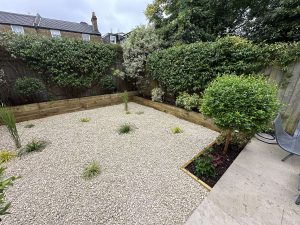
A dated garden makes the whole property feel stuck in the past. Replace worn concrete with modern porcelain, and the entire frontage updates itself. Remove overgrown, leggy shrubs, and suddenly there’s light and space where before there was just mass. The house feels contemporary rather than tired. You don’t need to redo everything. Target the high-visibility bits (entrance, street view, space outside main windows) and the impact spreads.
Colour makes a bigger difference than people expect. Heavy, dark planting creates weight and gloom. Lighter foliage with occasional blooms lifts everything. You’re not after bright colour everywhere, just avoiding that oppressive density that makes places feel closed off and heavy.
What it does to property value
A proper garden makeover can push property value up by 20%. That’s not marketing speak. It reflects real improvements (extra usable space, better materials, proper functionality) plus the intangible stuff like emotional connection and quality of life signals. The saleability impact might matter even more. Gardens that work sell faster because first impressions stick. Buyers can picture themselves there. They form attachments quicker. Even if you’re not planning to sell anytime soon, this value matters. You get the quality of life benefits now, whilst protecting what the place is worth later. Not many home improvements do both.
Light and atmosphere flow from outside
What sits outside your windows affects how bright and airy rooms feel inside. Change what’s in the garden and the house itself feels different. This connection gets missed during planning but hits you hard once done. In London’s climate, year-round thinking matters. A garden designed only for summer feels disappointing eight months of the year.
Bringing more light indoors
Dark, heavy trees near the house can steal interior light dramatically. Remove or heavily prune these and gloomy rooms become bright, welcoming spaces. The psychological shift from dim to airy changes how the whole property feels to live in. Reflective surfaces multiply whatever light you’ve got. Pale paving bounces light toward the house. Water features create dancing reflections. Light-coloured walls or fencing brighten shaded spots. These work together to maximise natural light. Balance matters, though. Strip out all mature planting and you create harsh, exposed conditions. The goal is strategic editing: remove specific problem trees whilst keeping valuable shade and structure. Experienced designers spot which changes deliver maximum benefit with minimum loss.
Keeping the view attractive in winter
Evergreen shrubs hold their form when deciduous plants drop leaves. This structure stops gardens looking bare and abandoned during cold months. Box, yew, holly give year-round presence with minimal fuss once established. Good hardscaping pulls equal weight for winter interest. Quality paving, solid boundaries, architectural features maintain appeal regardless of season. These form the garden’s bones, the framework holding everything together when planting retreats. Winter-flowering plants add surprise beauty during darker months. Hellebores bloom December through March. Winter jasmine gives bright yellow flowers from November. Mahonia offers scented yellow blooms plus evergreen structure. These transform the winter view from bleak to interesting.
At The Southwest London Gardener, we design thinking about all twelve months. Our natural approach means choosing plants thriving in local conditions year-round, not just peak season. This creates gardens staying attractive whilst needing consistent rather than seasonal maintenance.

When house and garden feel like one thing
The best garden makeovers create alignment between what the house looks like and how the garden feels. Contemporary homes want clean lines and structured planting. Traditional properties suit softer, naturalistic approaches. Period features benefit from sympathetic materials respecting original character. Fight this relationship and everything feels wrong. Work with it and it clicks.
This extends to what’s inside. Colours, materials, design language echoing interior choices create flow. The garden becomes an extension rather than an addition, another room happening to lack walls.
Stack all these elements together (more usable space, better first impressions, improved well-being, extra light, reduced maintenance burden) and the whole property transforms. The house feels bigger because outdoor space functions. Daily living becomes more enjoyable because pleasant areas sit just outside your doors. Pride replaces that nagging awareness of wasted potential.
We’ve seen this pattern play out repeatedly across Southwest London over 50 years of combined experience. Thoughtful garden design changes not just outdoor space but how being at home feels.
Gardens mature slowly but foundational changes (structure, materials, layout) hit immediately. Planting fills in gradually, showing its potential across seasons. You enjoy benefits now whilst watching future development unfold.
Whether you’re getting ready to sell, settling in long term, or just tired of avoiding the view through your windows, a garden makeover returns more than looks. It changes how you live daily, how guests perceive the place, and how the property performs if you sell.
Most of all, it transforms an area currently creating stress into a space actively contributing to well-being, functionality, and pride of ownership. That shift changes everything.