
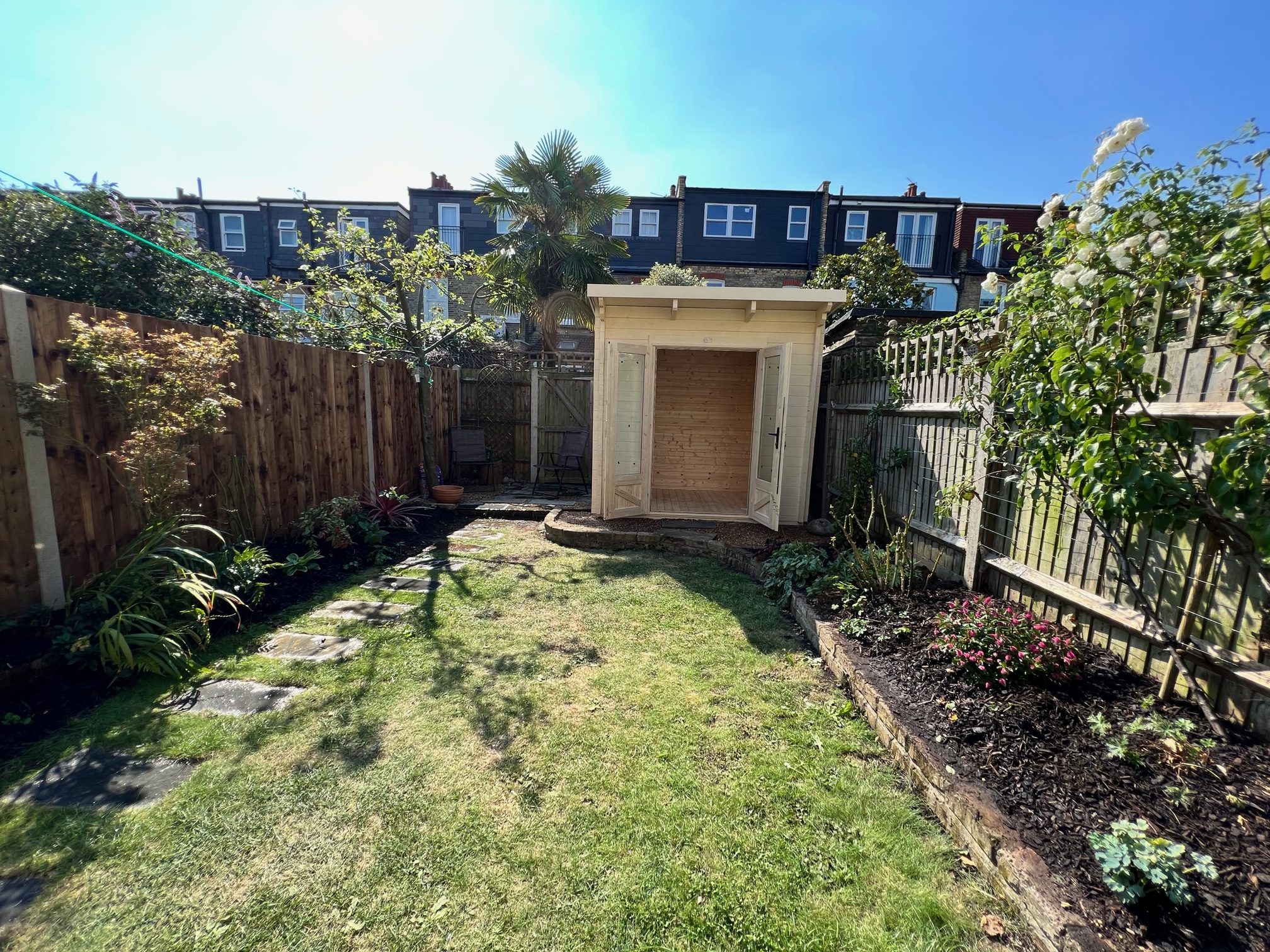
Let’s be honest—most garden borders end up as an afterthought.
You spend time choosing the right plants, the right layout, maybe even the right seating. But when it comes to edging? It’s either a plastic strip from the local DIY store or a row of tired bricks you found behind the shed. And while that might hold things together for now, it doesn’t exactly elevate the space—or do justice to the garden you’ve worked so hard to create.
A well-defined edge does more than just keep mulch from bleeding into the lawn. It sets the tone. It draws the eye. It frames your garden like a subtle but crucial outline, giving everything a clearer sense of structure and intention.
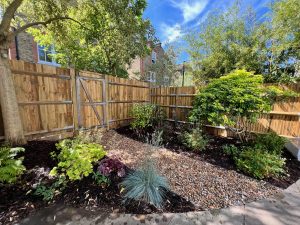
The good news? You don’t need concrete kerbs or manufactured solutions to get it right. Natural edging—using wood, stone, plants, or repurposed materials—offers a more sustainable and aesthetically pleasing approach.
At The Southwest London Gardener, we’ve experimented with just about every natural edging material you can imagine—sometimes in perfectly tidy spaces, sometimes in gardens where nature has had the upper hand for years. Through that, we’ve found what actually works in real London gardens: solutions that look beautiful, last well, and don’t fight the space they’re meant to enhance.
In the sections ahead, we’ll walk you through practical, grounded ideas to create natural garden edges that are anything but boring.
The Importance of Garden Edging
It’s easy to overlook edging when planning a garden—until you realise your carefully planted flower bed is slowly merging with the lawn, or that bark mulch has decided to wander off every time it rains. Edging might seem like a detail, but it’s one of those quiet, foundational elements that holds everything together. Done right, it adds both form and function without demanding constant attention.
First and foremost, proper edging creates visual clarity. It separates spaces, making the overall design feel more intentional. You don’t have to go for rigid symmetry or pristine lines, but a clear edge helps even the most naturalistic garden feel considered rather than chaotic.
But garden edging isn’t just about looks. It makes maintenance far easier. Whether it’s keeping gravel from spilling into your planting zones or stopping grass roots from invading your borders, a good edge acts as a barrier against time-consuming jobs.
There’s also the practical sustainability angle. Natural edging materials—like weathered timber, stone, or low-growing plant borders—can be locally sourced, reused from other projects, or even salvaged from your own garden. That not only keeps costs down but aligns with the kind of thoughtful, low-impact natural gardening we specialise in at The Southwest London Gardener.
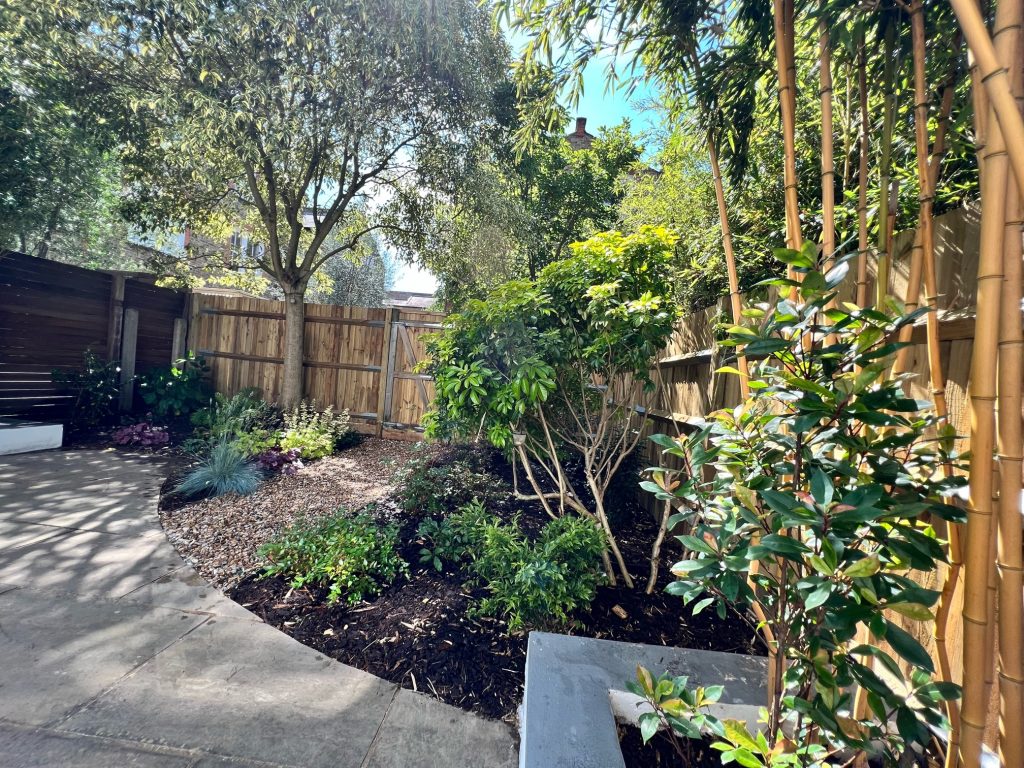
5 Natural Garden Edging Ideas
Here are five tried-and-tested natural garden edging ideas that work beautifully in real London gardens.
1. Log and Timber Edging
A classic, rustic option that’s as practical as it is attractive. Short logs or split timbers placed vertically or horizontally create a clear boundary while blending in with planting schemes. Ideal for informal borders or cottage gardens. We often use reclaimed timber, giving it a second life and keeping materials out of landfill. Make sure the wood is treated or naturally rot-resistant—oak and chestnut are great choices.
2. Stone Edging
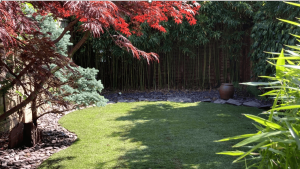
Whether it’s rough-hewn slabs or neatly stacked cobbles, stone is durable and ages gracefully. It’s especially effective for defining beds that border gravel paths or lawn areas. Stones help retain soil and mulch and can even double as a heat sink, subtly warming nearby plants. Local stone looks most natural—avoid anything too polished or imported if you’re aiming for authenticity.
3. Living Edges with Plants
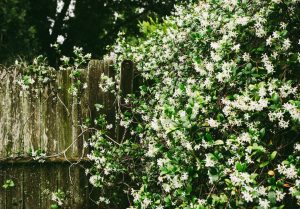
Who says edging has to be hard? Low-growing, dense plants like thyme or lavender can form soft, fragrant borders that keep things contained while feeding pollinators. Just choose species that hold their shape and don’t sprawl too far—otherwise, you’re swapping one kind of chaos for another.
4. Reclaimed Brick or Tile
If you’re lucky enough to have some old bricks or tiles knocking about, they make excellent edging material. Laid end-to-end or at a slight angle for a bit of flair, they provide a subtle, structured finish. Bricks work well for formal gardens or as a visual transition between paving and planting. Their weight helps them stay in place without much anchoring.
5. Natural Woven Hurdles or Willow Edging
For something with a bit of old-world charm, consider woven willow or hazel edging. It’s flexible, biodegradable, and adds instant character to vegetable beds or borders. We’ve used it in urban gardens where a bit of whimsy was welcome but needed to stay within a tight footprint. Just be aware—it’ll need replacing every few years, but it breaks down cleanly and is easy to refresh.
What is the Cheapest Way to Edge Your Garden?
If your budget’s tight but your standards are still high (as they should be), don’t worry—effective, attractive garden edging doesn’t have to come with a premium price tag. In fact, some of the best edging solutions are already sitting in your garden or just waiting to be repurposed. The key is to use what you’ve got, think practically, and stay flexible.
The cheapest and most sustainable option? Reclaimed materials. Old bricks, broken paving slabs, roof tiles, even pieces of timber from previous garden projects can all be reused as edging. Not only do they cost nothing if you already have them, but they also add character that’s impossible to buy new.
Another low-cost option is living plant borders. Fast-growing groundcovers or low hedging like thyme, chives, or even marjoram can be planted cheaply and allowed to form a soft, self-maintaining edge over time. It takes patience but rewards you with edging that looks natural, helps pollinators, and won’t cost you a penny after the first planting.
If you need something immediate, log slices or short stakes cut from pruned branches or fallen trees are also a smart route. They don’t last forever, but they’re free and fully biodegradable—ideal for marking out beds in a wildlife-friendly space.
Bottom line? You don’t need to spend a fortune to bring order to your borders. Often, the most cost-effective solution is already under your nose—literally, in your shed or compost pile.

What is the Best Low Maintenance Garden Edging?
If your goal is to spend more time enjoying your garden than fiddling with it, then low maintenance edging should be high on your list. The best options are the ones that do their job quietly and reliably—no shifting, no rotting, and no need for constant weeding or realignment.
Natural stone is one of the top contenders here. It doesn’t warp, decay, or need replacing every few years. Once it’s in, it’s in. Set flush with the soil or slightly raised, stone edging defines your beds cleanly and permanently. It’s especially effective along gravel paths or lawn edges where tidy separation makes all the difference. It costs more upfront than some other options, but the payoff is decades of zero fuss.
Reclaimed brick is another strong, low-maintenance choice. Laid properly (ideally with a sand base for drainage), it stays put and looks better with age. It’s heavy enough to resist being nudged by foot traffic or weather, and unlike timber, it won’t invite rot or pests.
For a softer look that still requires minimal upkeep, dense, clumping plants form natural boundaries that don’t sprawl too wildly. Once established, they need very little attention beyond a quick tidy-up once or twice a year.
In our experience, the most successful low-maintenance edging comes from combining materials with purpose: stone where structure matters, and plants where you want a more blended, natural transition.
The result? A garden that looks polished without constantly demanding your time.
Conclusion
Garden edging might not be the flashiest part of your outdoor space, but it’s one of the most quietly powerful. Done right, it brings structure, clarity, and a polished finish to everything around it—without screaming for attention or creating extra work down the line.
At The Southwest London Gardener, we’ve spent years refining natural edging techniques that don’t just look good on day one—they last, they blend, and they support the overall health of your garden. From weathered stone to living plant borders, we believe the best edges are those that work with nature rather than against it.
Need help figuring out what’ll work best in your space? Get in touch—we’re always happy to offer practical advice or come and work on your garden ourselves.